Storm Cleanup: What to Know Before Hiring Debris Haulers and Yard Crews
After a major storm, your yard may look completely different. Broken branches cover the lawn, fallen trees block the driveway, and pieces of roofing or fencing are scattered across your property.
It’s natural to want everything cleaned up fast. But hiring the wrong contractor can lead to unexpected costs, poor work, or even more damage. Understanding your insurance coverage and knowing how to choose reliable help can make recovery safer and less stressful.
What Does Storm Cleanup Include?
Storm cleanup involves removing debris and hazards left by severe weather, such as thunderstorms, hurricanes, tornadoes, and strong winds. Depending on the damage, services may include:
- Tree and branch removal: Clearing fallen trees, broken limbs, and dangerous branches.
- Debris hauling: Removing damaged wood, roofing, fencing, and other materials.
- Yard cleanup: Collecting leaves, branches, and scattered items.
- Emergency tree services: Removing trees that threaten your home or driveway.
- Property clearing: Preparing damaged areas for repairs.
Small jobs may be manageable on your own, but large trees, damaged structures, and heavy debris are best left to trained professionals.
Does Homeowners Insurance Cover Storm Cleanup?
Homeowners insurance may cover debris removal when a covered event, like a windstorm, damages an insured structure. Coverage depends on your policy, the type of debris, and what was damaged.
When Storm Debris Removal May Be Covered
Your policy may help with cleanup costs when:
- A tree damages a covered structure: Such as your home, garage, or shed.
- Wind tears off roofing materials: Removal may be part of the repair.
- A storm damages fencing or insured property: Debris may need clearing before repairs.
- A tree blocks your driveway or access ramp: Some policies offer limited coverage, even without structural damage.
When Cleanup May Not Be Covered
If a tree falls in your backyard without damaging covered property or blocking access, removing it may be your responsibility. Routine yard maintenance, removing dead trees before a storm, and debris from excluded events generally aren’t covered.
In short, coverage depends on what caused the damage and whether your policy covers that loss, not just on how much debris is left behind.
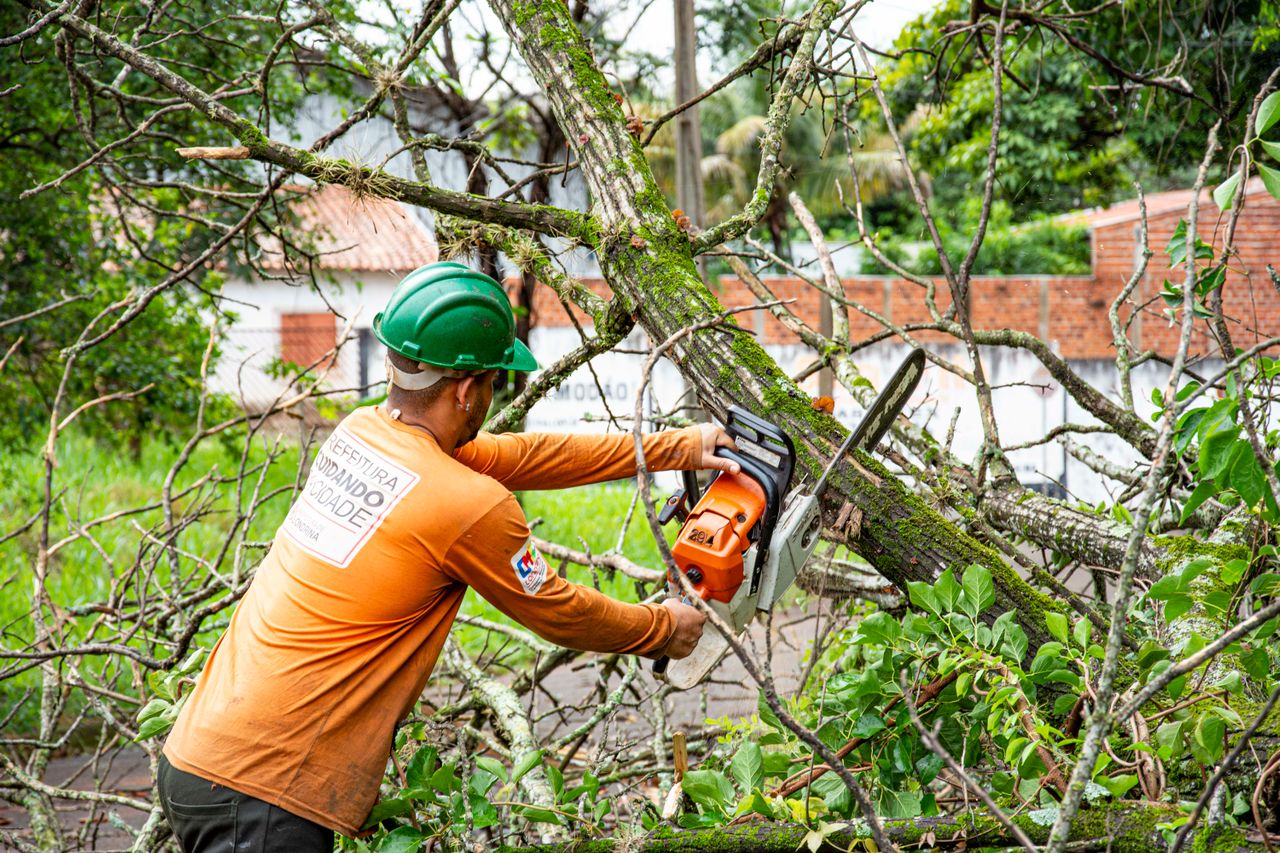
6 Things to Check Before Hiring Storm Cleanup Contractors
After severe weather, cleanup companies often appear throughout neighborhoods. Many are reliable, but some take advantage of homeowners who need urgent help. These checks can protect you.
1. Verify Their License and Insurance
Ask whether the contractor holds the licenses required in your area, and request proof of general liability and workers’ compensation coverage where applicable. If a worker accidentally damages your garage while removing a tree, the contractor’s liability insurance may help address it.
2. Get a Written Estimate
Avoid agreeing to work based on a verbal price. A written estimate should list what debris will be removed, whether hauling and disposal fees are included, the total cost, and any possible extra charges. Comparing estimates from several companies helps you avoid overpaying.
3. Ask About Their Experience
Clearing scattered branches is very different from removing a large tree leaning on your house. For jobs involving structures, power lines, or large trees, look for trained tree professionals with proper equipment.
4. Watch for Storm Cleanup Scams
Be cautious if a contractor:
- Demands full payment upfront: Reputable companies rarely require this.
- Pressures you to sign immediately: Urgency is a common scam tactic.
- Refuses to show insurance documents: A red flag for liability issues.
- Offers an unusually low price: Vague bids often lead to surprise charges.
- Asks you to sign over your insurance payment: This can leave you with little control over your claim.
5. Ask How Debris Will Be Disposed Of
Storm debris often can’t go out with regular trash, and some areas have special rules for tree limbs and construction materials. Ask where the debris will go and whether disposal is included. Your local government may also offer storm debris collection.
6. Review the Contract Before Signing
Make sure the agreement lists the services, price, payment schedule, and completion date. Never sign blank or unclear contracts, and keep copies of every agreement and receipt for your insurance claim.
What Should You Do Before Storm Cleanup Begins?
A few steps before workers arrive can protect your safety and support your insurance claim.
Document the Damage
Take clear photos and videos of fallen trees, damaged roofing, broken fences, and debris across your property.
Contact Your Insurer
Report the damage and ask about cleanup coverage, required documents, and whether an inspection is needed. You can usually take reasonable steps to prevent further damage, but check with your insurer before arranging major cleanup whenever possible.
Stay Away From Power Lines
Never approach fallen power lines or move trees touching electrical wires. Contact your utility provider or emergency services instead.
How to File an Insurance Claim for Storm Debris Removal
If your property suffered covered damage, a claim may help reduce your cleanup costs. The process generally looks like this:
- Document the damage: Record photos and the date of the storm.
- Contact your insurer: Ask whether debris removal is covered.
- Save estimates and receipts: Include hauling and disposal fees.
- Follow the claims process: Your insurer may inspect the property before determining payment.
Deductibles and coverage limits apply, so if cleanup costs less than your deductible, a claim may not result in a payment.
Start Your Quote Today
Our licensed specialist will search for the best insurance quotes and will email you when ready.