
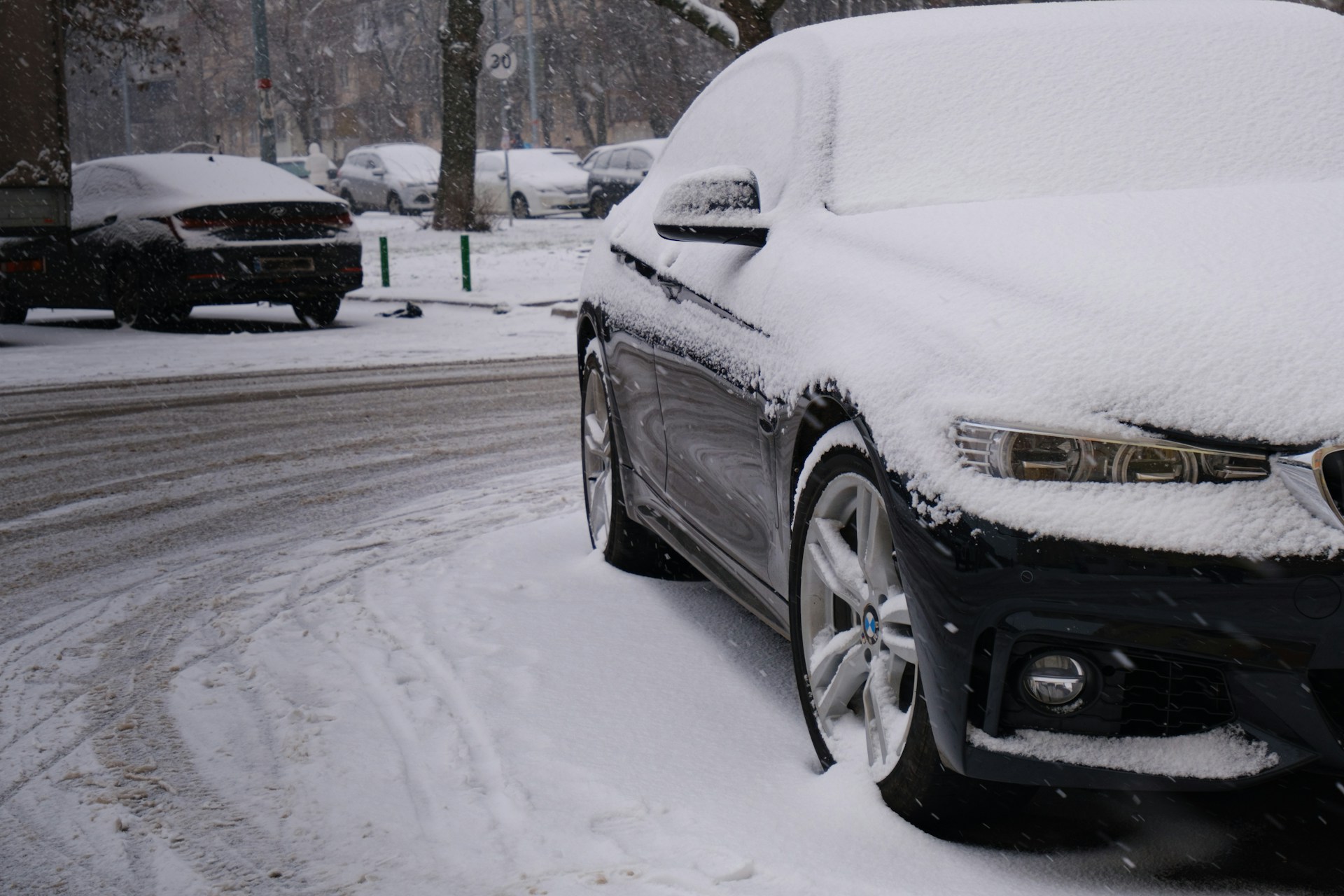
Winter storms can turn an ordinary day into an expensive one. A tree might fall onto your parked car, hail could dent the hood, or your vehicle could slide into another car on an icy road.
So, does car insurance cover winter storm damage? The short answer is yes, but it depends on your coverage and how the damage happened. Knowing the difference before winter arrives can help you avoid unexpected repair bills.
How Car Insurance Covers Winter Storm Damage
Not every auto policy responds to winter damage the same way. Here’s how the main coverage types work:
- Comprehensive coverage: Helps pay for damage from weather, falling objects, and other events that don’t involve a collision.
- Collision coverage: Helps pay for damage to your car if you hit another vehicle or object, regardless of fault.
- Liability coverage: Helps pay for injuries or property damage you cause to others, but typically won’t cover repairs to your own car.
Your deductible, coverage limits, and policy exclusions all affect how much your insurer pays.
What Types of Winter Storm Damage Does Car Insurance Cover?
Winter weather can damage vehicles in several ways. Whether your insurance helps depends on what caused the damage.
Falling Trees or Branches
Strong winds and heavy snow can bring down branches or entire trees. If one lands on your parked car, comprehensive coverage generally helps pay for broken windows, dents, and roof damage after you pay your deductible.
Hail and Ice Damage
Hail can dent your car and crack windshields, and falling ice from trees or buildings can cause similar damage. Comprehensive coverage typically covers both, which is especially helpful if you regularly park outside.
Accidents on Snowy or Icy Roads
Even careful drivers can lose traction on icy roads. If you slide into a guardrail or another vehicle, collision coverage generally helps repair your car, while liability coverage may help pay for damage you cause to others. Depending on your insurer, a weather-related accident may still affect your rates.
Flooding From Melting Snow
Melting snow can lead to flooding that damages your engine, electrical system, or interior. Comprehensive coverage generally helps with covered repairs. Still, avoid driving through flooded roads, even if the water looks shallow.

What Winter Storm Damage Isn’t Covered?
Even comprehensive and collision coverage have limits. Common situations that may not be covered include:
- Normal wear and tear: Damage from aging parts, rust, or regular use.
- Mechanical breakdowns: Engine or battery problems unrelated to a covered event.
- Poor maintenance: Damage linked to neglected repairs or existing issues.
- Personal belongings: Items inside your car, though homeowners or renters insurance may help.
- Missing coverage: Liability-only policies generally won’t cover weather damage to your own vehicle.
Is Comprehensive Car Insurance Worth It in Winter?
If you live in an area with heavy snow, ice storms, or strong winds, comprehensive coverage may be worth considering. It protects against risks that have nothing to do with how you drive, like a snow-covered branch falling on your car while it’s parked in the driveway.
When deciding, think about your car’s value, where you park, local weather risks, and how much you could comfortably pay for unexpected repairs. Comprehensive coverage is often optional unless your lender or leasing company requires it.
How to File a Car Insurance Claim After Winter Storm Damage
Discovering storm damage can be stressful, especially if you rely on your car every day. These steps can make the claims process smoother.
Step 1: Make Sure Everyone Is Safe
Check for injuries and move to a safe location if possible. Stay away from fallen power lines and unstable trees.
Step 2: Document the Damage
Take clear photos of your vehicle, the surrounding area, and whatever caused the damage. Keep records of related expenses.
Step 3: Contact Your Insurer
Report the damage as soon as reasonably possible. Your insurer can explain which coverage applies and what documents you’ll need.
Step 4: Get a Repair Estimate
Your insurer may request an inspection or repair estimate. Confirm next steps before authorizing major repairs.
Step 5: Understand Your Deductible
Your deductible is what you pay before insurance contributes. For example, if covered repairs cost $3,000 and your deductible is $500, your insurer may pay $2,500, depending on your policy and claim assessment.
How to Protect Your Car From Winter Storm Damage
Preventing damage is always easier than dealing with repairs. A few simple habits can make a big difference:
- Park in a covered area: A garage or carport shields your car from snow, hail, and ice.
- Avoid parking under trees: Especially during heavy snow or strong winds.
- Winterize your vehicle: Check tires, brakes, battery, and wipers before the season starts.
- Clear snow and ice before driving: This improves visibility and keeps chunks from flying off.
- Drive with extra caution: Keep a safe distance and avoid unnecessary trips during severe weather warnings.
Start Your Quote Today
Our licensed specialist will search for the best insurance quotes and will email you when ready.


