

Storm Damage Insurance Claim: What Homeowners Should Do After Severe Weather
A strong storm can leave behind more than fallen branches. You might find missing shingles, broken windows, water stains on your ceiling, or damage that isn’t easy to spot right away.
Once the weather clears, it’s natural to worry about repair costs and whether your homeowners insurance will help. The good news is that many policies cover certain types of storm damage. Here’s how to handle a storm damage insurance claim, from checking your home to working with your insurer.
Does Homeowners Insurance Cover Storm Damage?
Homeowners insurance typically covers sudden damage from wind, hail, lightning, and certain other weather events. Coverage depends on your policy, the cause of the damage, and any exclusions or deductibles.
What’s Typically Covered
Common types of covered storm damage may include:
- Wind damage: Broken windows, damaged siding, or missing shingles.
- Hail damage: Harm to roofing, gutters, and other covered structures.
- Lightning damage: Fires or damage to electrical systems and belongings.
- Fallen trees: Damage when a tree falls on your home during a covered event.
- Rain damage: Water entering through an opening caused by covered storm damage.
If covered damage makes your home unsafe to live in, additional living expenses coverage may also help pay for temporary housing and extra costs, up to your policy limits.
What’s Usually Not Covered
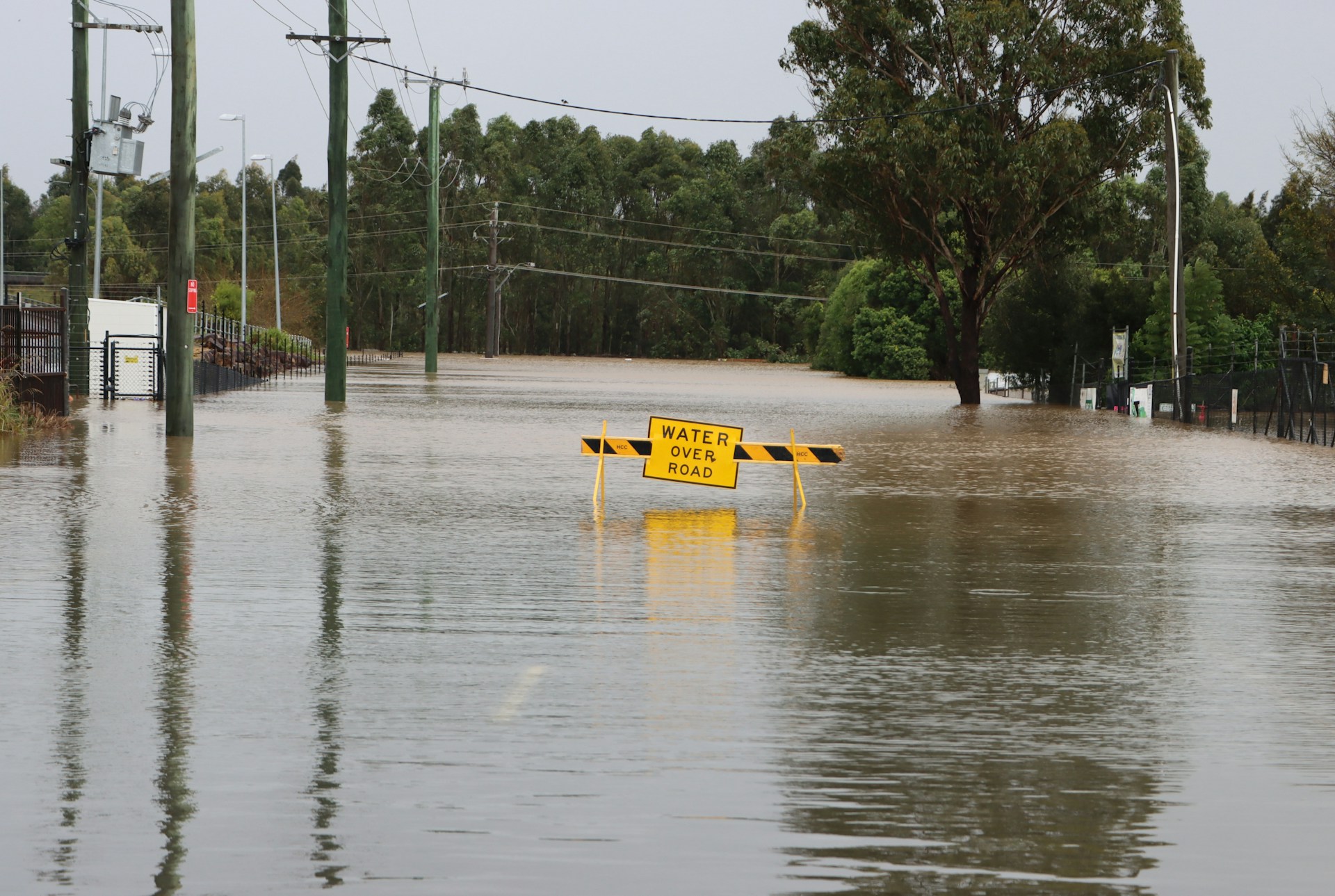
Standard homeowners insurance generally doesn’t cover flooding from rising water or storm surge, which usually requires a separate flood policy. Damage from poor maintenance, normal wear, or long-term leaks may also be excluded.
What to Do Immediately After a Storm Damages Your Home
Before thinking about repairs or paperwork, focus on safety. Some storm-related dangers remain even after the skies clear.
1. Make Sure Your Home Is Safe
Check your surroundings from a safe distance. Look for fallen power lines, broken glass, unstable trees, and structural damage, and avoid rooms with sagging ceilings or standing water near electrical equipment.
If you smell gas, leave immediately and contact emergency services or your gas provider. Don’t climb onto your roof, and if you evacuated, return only when authorities say it’s safe.
2. Document All Visible Damage
Before cleaning up, take clear photos and videos with both close-ups and wider shots. Capture damaged shingles, gutters, windows, ceilings, walls, furniture, electronics, trees, and fences.
Note when the storm happened and when you discovered the damage. For damaged belongings, list each item’s description, age, and estimated value.
3. Prevent Further Damage
Take reasonable steps to protect your home, like covering a damaged roof with a tarp or boarding up a broken window. Keep receipts for materials and labor, since your policy may cover reasonable temporary repairs. Avoid permanent repairs before speaking with your insurer unless they’re urgent for safety.
How to File a Storm Damage Insurance Claim
Filing a claim can feel overwhelming, but the process is easier when you know what to expect.
Step 1: Contact Your Insurance Company
Notify your insurer as soon as possible. Claim deadlines vary by insurer, policy, and state, so prompt reporting matters. Have your policy number, photos, and a basic description of the loss ready. Your insurer will explain next steps and give you a claim number.
Step 2: Review Your Policy and Deductible
Your deductible is the amount you pay before insurance contributes. Some policies have separate windstorm, hail, or hurricane deductibles that may be higher than your standard one, so ask which applies to your claim.
Step 3: Meet With the Insurance Adjuster
An adjuster may inspect your home to assess the damage and estimate repair costs. Share your photos, damage list, and receipts, and point out possible hidden water damage. A written estimate from a qualified contractor can help you compare costs.
Step 4: Review Your Claim Settlement
Your insurer will explain its coverage decision and payment offer. The amount depends on your deductible, policy limits, and whether your coverage pays replacement cost or actual cash value. Replacement cost generally pays to repair or replace property without subtracting for wear, while actual cash value factors in depreciation, which can mean a lower payment.
If you disagree with the settlement, ask for an explanation and provide additional evidence if needed.
Common Mistakes to Avoid When Filing a Storm Damage Claim
Small mistakes can slow down your claim. Watch out for these:
- Throwing items away too soon: Document damaged belongings before discarding them.
- Waiting too long to report: Policies may have reporting deadlines.
- Trusting high-pressure contractors: Be cautious of anyone demanding quick signatures or large upfront payments. Check references and review written estimates.
- Assuming everything is covered: A roof damage insurance claim may be limited or denied if the problem came from years of wear rather than the storm.
You may also wonder whether a claim will raise your premium. It might, depending on your claims history, location, and insurer, but a claim doesn’t automatically mean a rate increase.
Start Your Quote Today
Our licensed specialist will search for the best insurance quotes and will email you when ready.


