Your roof is a vital part of your home, protecting everything inside from the elements. When damage occurs, it's crucial to know if homeowners insurance can help pay for repairs. We’ll break down the types of roof damage typically covered by homeowners insurance, what is not covered, and how to navigate the claims process.
Types of Roof Damage Typically Covered by Homeowners Insurance
Understanding what damage is covered by homeowners insurance is essential for protecting your home. Knowing which types of roof damage are typically covered can help you avoid unexpected costs when repairs are needed.
Storm Damage
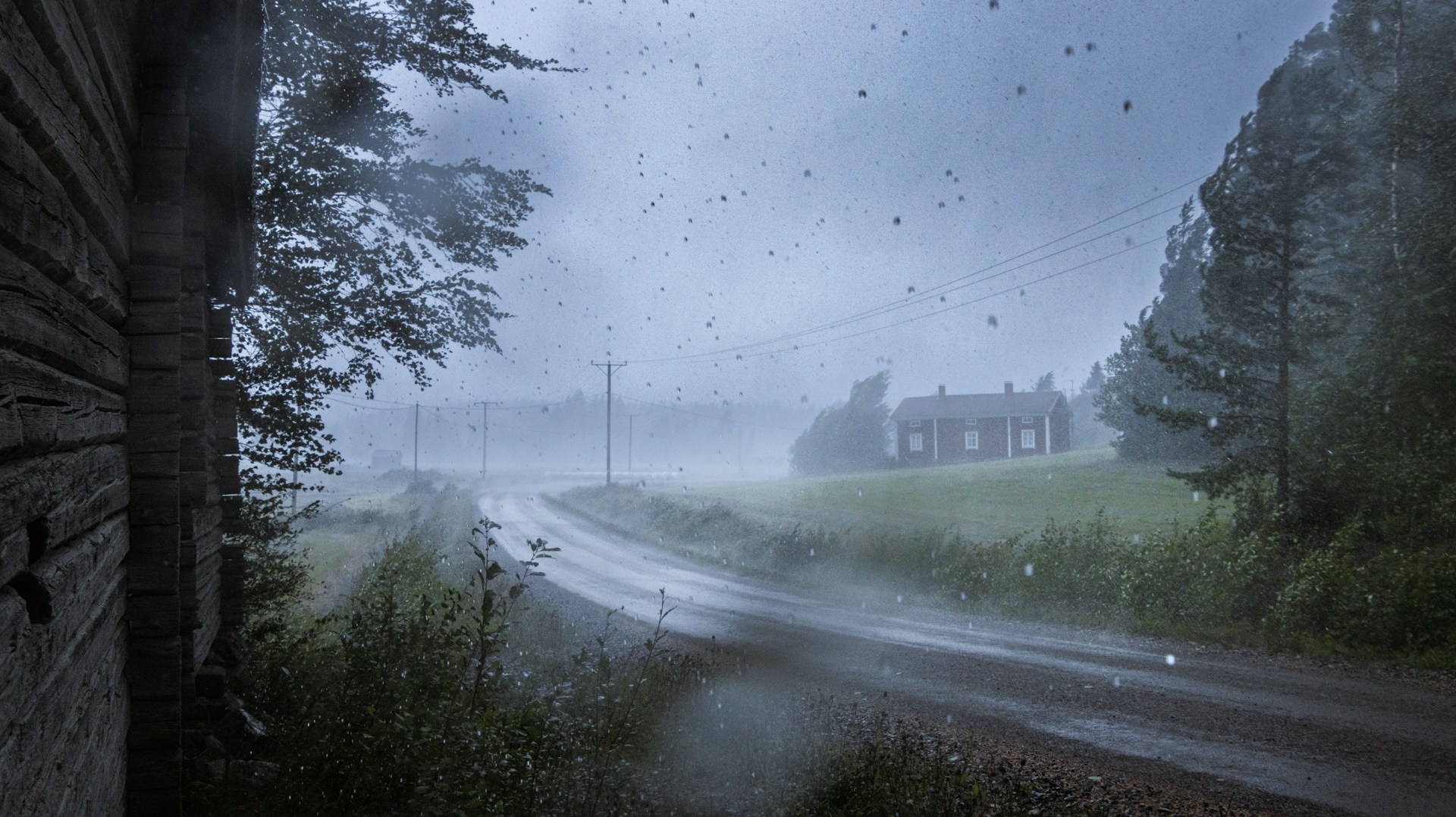
One of the most common types of roof damage covered by homeowners insurance is storm damage. This includes damage caused by high winds, hail, or heavy snowstorms. For instance, if a hailstorm causes your roof to crack or shingles to get blown off, your homeowners insurance is likely to cover the repair costs. Similarly, damage caused by falling trees during a storm is generally covered as well.
Fire Damage
If your roof is damaged by fire, whether from a house fire or a wildfire, it is typically covered under homeowners insurance. Fire damage to your roof can be especially costly to repair, so knowing that your insurance policy can help is important. Always check your policy to confirm the specific coverage limits and conditions related to fire damage.

Fallen Tree Damage
If a tree falls on your roof during a storm, your homeowners insurance can cover the costs of repairing the roof. This includes damage caused by both natural tree falls and those caused by heavy winds or other natural disasters. However, it's important to note that if the tree was already in poor condition and the homeowner didn’t take action to maintain the trees, the damage might not be covered.
Vandalism or Theft
If someone damages your roof as an act of vandalism or theft, homeowners insurance typically covers the cost to repair the damage. For example, if your roof is damaged in an act of arson or someone intentionally causes harm to your roof, your insurance could help cover the repairs.
Actual Cash Value (ACV) vs. Replacement Cost
When it comes to roof damage claims, homeowners insurance policies may reimburse you for either the Actual Cash Value (ACV) or the Replacement Cost of the damage. It's important to understand the difference between these two terms:
- Actual Cash Value (ACV): If your policy offers ACV coverage, you will receive a payout based on the current value of the roof, taking depreciation into account. This means that the older your roof is, the less you will receive.
- Replacement Cost: On the other hand, if you have replacement cost coverage, your insurance will reimburse you for the full amount needed to replace the roof, without factoring in depreciation. This type of coverage is typically more expensive but provides greater protection if your roof is significantly damaged or destroyed.
Understanding whether your policy offers ACV or replacement cost will help you know what to expect if you need to file a claim for roof damage. Be sure to check your policy and consult with your insurance agent to clarify the coverage you have.
What to Do If Your Roof Gets Damaged
If your roof is damaged and you believe it is covered by homeowners insurance, here are the steps you should follow:
- Assess the Damage
Take photos of the damage and note the extent of it. If it is safe to do so, temporarily cover any holes to prevent further damage (e.g., use a tarp to cover leaks). - Review Your Insurance Policy
Check your homeowners insurance policy to understand what is covered and what is not. If you're unsure about any details, reach out to your insurance company for clarification. - File a Claim
Contact your insurance company as soon as possible to report the damage. They will guide you through the process of filing a claim and outline the necessary steps. - Get Estimates for Repairs
Once your claim is filed, it’s a good idea to get an estimate from a licensed contractor for roof repairs. This will help your insurance adjuster assess the cost of the repairs. - Keep All Documentation
Keep all receipts and paperwork related to the damage and repairs. This will help when finalizing your claim.
Start Your Quote Today
Our licensed specialist will search for the best insurance quotes and will email you when ready.