Winter brings freezing temperatures that can cause problems for homeowners, especially when it comes to pipes. When pipes freeze, they can burst, leading to expensive water damage and potential disruptions in your daily life. Knowing what to do if your pipes freeze and how to prevent it from happening in the first place is essential to protecting your home. We’ll guide you through the steps to take if your pipes freeze, how to thaw them safely, and how to prevent frozen pipes in the future.
What Are Frozen Pipes?
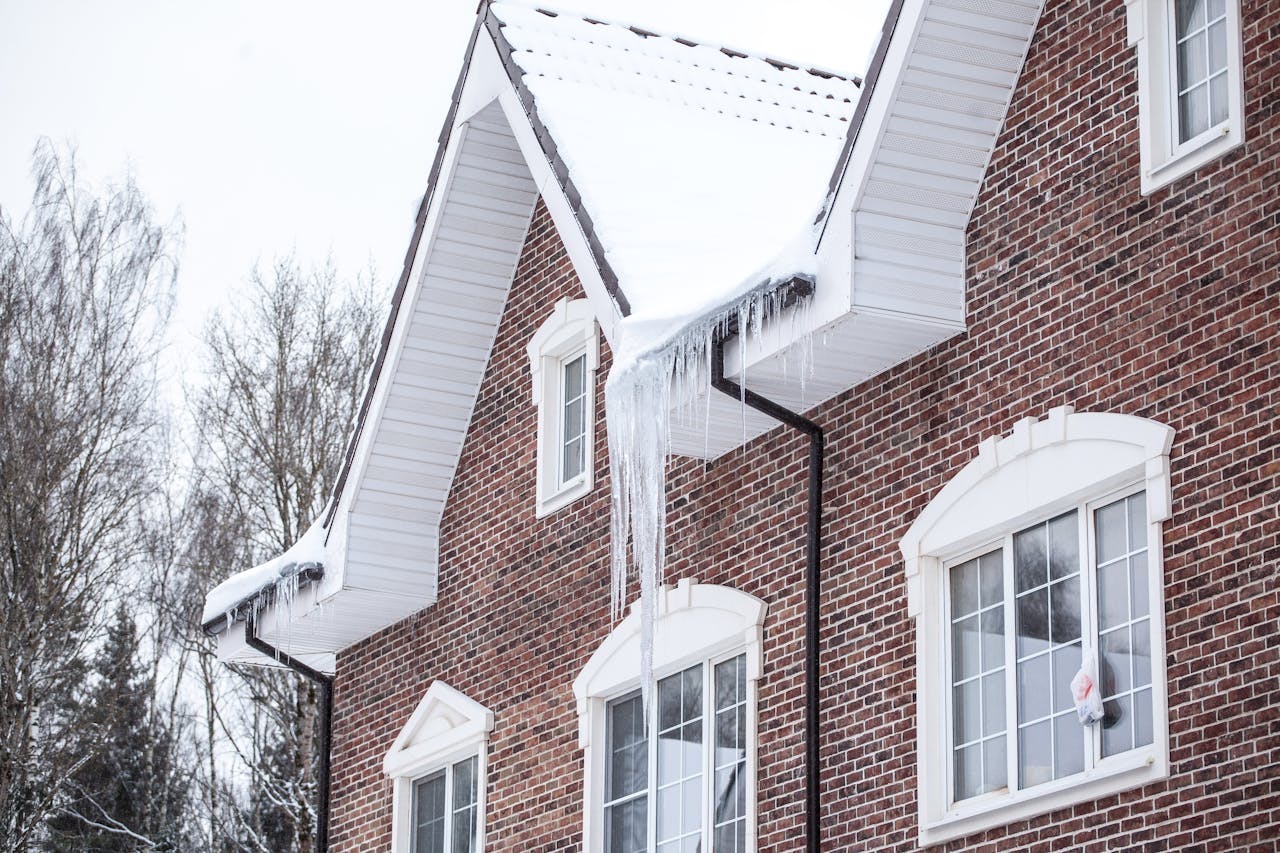
Frozen pipes happen when the water inside your pipes freezes due to very cold temperatures. Water expands when it freezes, and this expansion can cause pressure to build inside the pipe. This pressure can lead to the pipe cracking or even bursting. When a pipe bursts, water can flood your home, damaging walls, floors, and other structures. Areas of the home that are most at risk for frozen pipes include basements, attics, crawl spaces, and exterior walls where pipes are more exposed to the cold.
What Happens If a Pipe Freezes?
When a pipe freezes, water flow is restricted, and the pressure inside the pipe increases. If the frozen section of the pipe melts too quickly or the pressure becomes too much, the pipe could burst, leading to significant water damage. In some cases, flooding can occur quickly, causing damage to furniture, floors, and electrical wiring. This type of water damage is costly and can disrupt your daily routine. If left unaddressed, it can lead to mold growth and long-term structural damage.

Immediate Steps to Take if Pipes Freeze
If you discover that your pipes have frozen, it is essential to act quickly. Here are the steps you should follow to minimize damage:
- Turn Off the Water Supply: Immediately shut off the main water valve to prevent any water from flowing into the pipes, especially if they burst.
- Open Faucets: Open the faucet connected to the frozen pipe. This helps relieve the pressure inside the pipe and allows water to flow once the ice begins to melt.
- Apply Heat Safely: Use a hairdryer, space heater, or heating pad to thaw the pipe. Start at the faucet end of the pipe and work toward the frozen section. Avoid using open flames, such as a blowtorch, as it can be dangerous and damage the pipe.
- Check for Leaks: Once the pipe is thawed, inspect it for any cracks or leaks that might have occurred due to the pressure. If you notice any issues, it's important to contact a plumber for repairs.
How to Prevent Frozen Pipes
Prevention is the best way to avoid the headaches and costs associated with frozen pipes. Here are some helpful tips to keep your pipes safe during winter:
- Insulate Pipes: Insulating your pipes, particularly those in unheated areas like basements, attics, and garages, can help prevent them from freezing. Use pipe insulation sleeves or foam pipe covers to protect them from the cold.
- Seal Gaps: Close any gaps around windows, doors, and where pipes enter your home. These small gaps can let cold air in and increase the risk of frozen pipes.
- Let Faucets Drip: On extremely cold nights, let faucets in areas that are most at risk of freezing drip slightly. This allows water to flow through the pipes, reducing the chances of freezing.
- Maintain a Steady Temperature: Keep the temperature inside your home consistent, even when you are away. Avoid setting the thermostat too low during the winter months. Cold air can quickly freeze unprotected pipes.
- Disconnect Outdoor Hoses: Disconnect and drain garden hoses before the first frost. This will prevent water from freezing in the hose or the outdoor faucet.
What Insurance Covers for Frozen Pipes
Homeowners insurance typically covers water damage caused by burst pipes, but it is important to understand the specifics of your policy. Many policies cover the costs of repair for water damage caused by frozen pipes, including damage to floors, walls, and personal belongings. However, there may be exclusions if the damage is caused by neglect, such as failing to maintain the proper temperature inside your home.
It is a good idea to review your insurance policy before the cold weather sets in. Knowing what is covered and what is not can help you avoid unexpected costs in case of an emergency. If your home suffers water damage from frozen pipes, contacting your insurance company immediately will allow you to begin the claims process.
Start Your Quote Today
Our licensed specialist will search for the best insurance quotes and will email you when ready.