How to Prevent Ice Dams on Your Roof: Essential Tips for Homeowners
Winter can be a beautiful time of year, but it also brings a number of challenges for homeowners. One of the most common problems homeowners face during the colder months is ice dams. These stubborn blocks of ice can form on your roof and cause water damage inside your home if left unchecked. Preventing ice dams is key to protecting your roof and avoiding costly repairs.
How Ice Dams Form
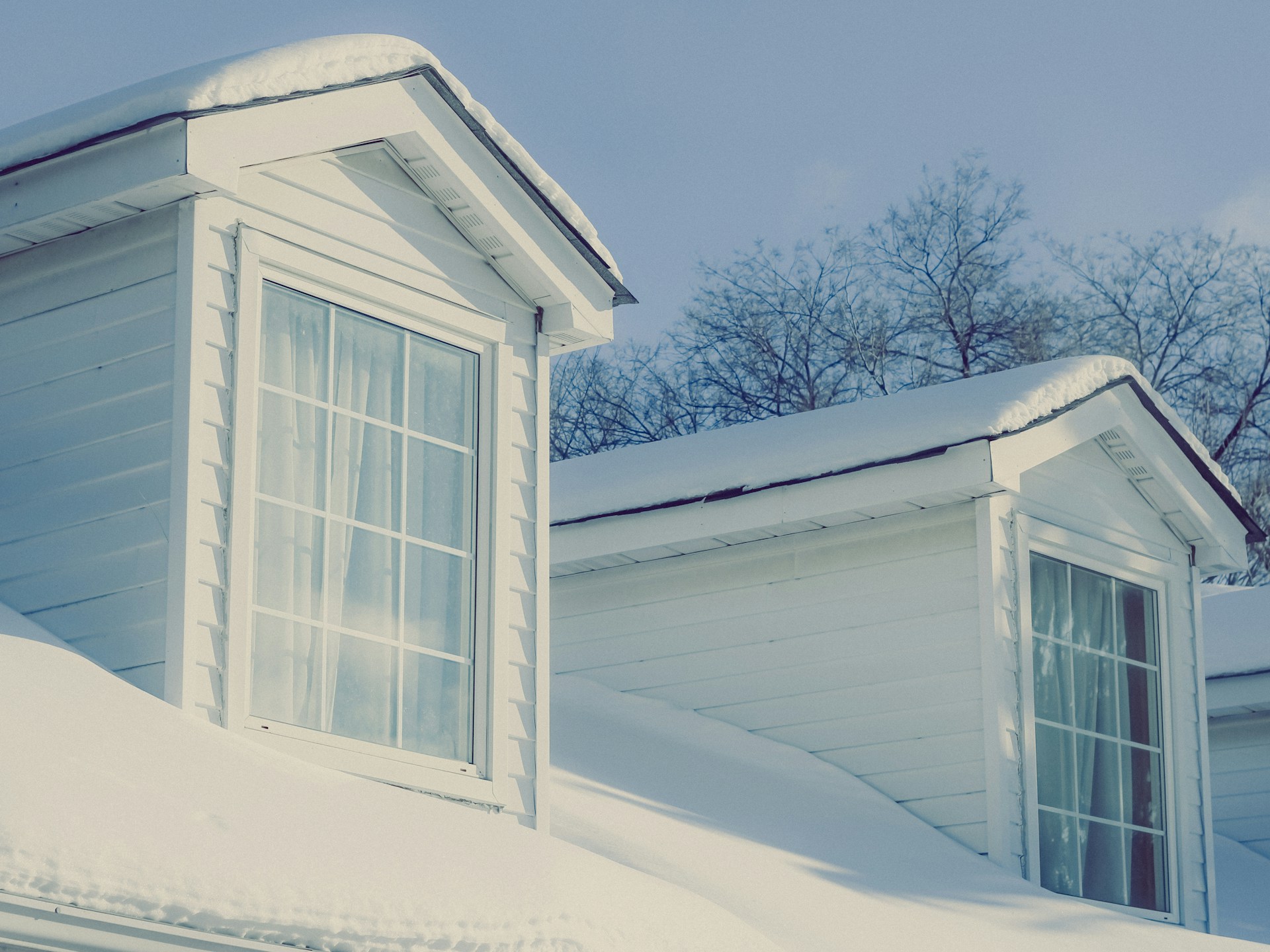
Ice dams form when heat from your attic escapes into the roof space, causing the snow to melt. The warm air from inside your house rises and melts the snow on your roof. As the water flows down the roof, it reaches the colder eaves and refreezes, forming a dam. The cycle repeats itself as more snow melts, leading to a build-up of ice along the edge of the roof. Eventually, the ice dam becomes thick enough to block further drainage, leading to water backing up under your roof's shingles and causing potential leaks and water damage inside your home.
Dangers of Ice Dams
While ice dams may seem harmless, they can cause significant damage if left untreated. The water trapped behind the ice dam can seep under shingles and into your home, leading to ceiling stains, mold growth, rotting insulation, and even structural damage. Water damage can also affect electrical wiring, which can pose safety hazards. Furthermore, if ice dams are not addressed, they can become more difficult and expensive to remove as they grow larger.
How to Prevent Ice Dams
The good news is that preventing ice dams is possible with some simple maintenance and precautions. Here are the steps you can take to protect your roof:
1. Proper Attic Insulation
The first step in preventing ice dams is to make sure your attic is properly insulated. Insulation keeps the warm air inside your home and prevents it from escaping into the attic. Without proper insulation, warm air will escape and heat the roof, causing the snow to melt. By insulating your attic well, you can help maintain a cold roof temperature and prevent the snow from melting.
2. Ensure Proper Attic Ventilation
Along with insulation, attic ventilation plays a crucial role in keeping the roof at a consistent temperature. A well-ventilated attic helps ensure that the roof remains cold, even if warm air rises from the living space. Proper ventilation allows for a steady flow of air through the attic, preventing the formation of ice dams by reducing the temperature difference across the roof.
3. Seal Air Leaks
Another step to prevent ice dams is sealing any air leaks in the attic. Look for gaps around pipes, vents, and ducts, as these areas can allow warm air to escape. Use caulk or spray foam to seal these gaps. This step is especially important in the winter when warm indoor air is more likely to escape into the attic and cause melting on the roof.
4. Roof Raking
If you live in an area that experiences heavy snow, you can use a roof rake to remove excess snow from the edge of your roof. This can help prevent the snow from melting and refreezing, which leads to ice dam formation. Be sure to rake the snow from the roof after each snowfall to prevent a build-up of ice.
5. Maintain Clean Gutters
Clogged gutters can contribute to ice dams by preventing water from draining properly. Make sure your gutters are clear of leaves and debris, especially before the winter months. Keeping your gutters clean allows for better water flow and reduces the chance of water freezing at the edge of the roof.
When to Call a Professional
If the ice dam problem persists or becomes too large for you to handle, it may be time to call a professional. Ice dams can be difficult to remove safely without the proper tools and knowledge. A professional roofer can assess your roof and attic, remove the ice dam, and make any necessary repairs to prevent future issues. In addition, if you're unsure whether your attic insulation or ventilation is up to par, a professional can offer advice and perform necessary upgrades.
Safety Considerations
When dealing with ice dams, safety should always come first. Avoid climbing onto your roof during icy conditions. If you must remove snow or ice, use a roof rake with a long handle to stay safe on the ground. In cases where the ice dam is too large or difficult to remove, it's always safer to call in a professional who has the right equipment and experience.
Start Your Quote Today
Our licensed specialist will search for the best insurance quotes and will email you when ready.