After a road rage incident, your first priority is safety. Get to a busy public place, keep your doors locked, and call 911 if you are being followed, threatened, attacked, or intentionally hit. Avoid driving home or confronting the other driver.
Once the danger has passed, document what happened, report the incident, preserve evidence, seek medical care if needed, and notify your insurance company.
What Counts as a Road Rage Incident?
Road rage involves aggressive or violent behavior directed at another driver, passenger, cyclist, or pedestrian.
It can include repeated following, threats, attempts to block a vehicle, forcing another driver off the road, intentional collisions, physical assault, or displaying a weapon.
Aggressive driving and road rage are related but not always the same. Speeding, tailgating, and unsafe lane changes are examples of aggressive driving. Road rage usually involves a more personal or targeted confrontation.
The exact legal definition depends on state law.
What Should You Do If the Other Driver Is Still Following You?
Do not drive home. Instead, head toward a police station, fire station, hospital, gas station, or another busy public place.
Keep your doors locked, windows closed, and stay inside the vehicle.
Call 911 using hands free controls if possible, or ask a passenger to call. Give the dispatcher your location, direction of travel, the other vehicle's description, license plate number, and any information about threats or weapons.
Avoid brake checking, speeding aggressively, making gestures, or trying to confront the driver. The goal is to create distance and reach help safely.
What Should You Do Once You Are Safe?
Park somewhere with people, lighting, or security cameras. If the other driver is still nearby, stay inside your vehicle until police arrive. Check yourself and your passengers for injuries.
As soon as you can, write down what happened. Stress can make details harder to remember later, so record the time, location, direction of travel, traffic conditions, and sequence of events while they are still fresh.
Avoid posting accusations, photos, or identifying information on social media. Public comments may complicate a police investigation, insurance claim, or legal case.
Should You Report Road Rage to the Police?
Yes, especially if the incident involved threats, stalking, a weapon, property damage, a collision, an attempt to force you off the road, or a hit and run.
Call 911 if the threat is still active or someone needs immediate medical help. If the danger has ended, you may be able to use the local police non-emergency number.
When speaking with police, stick to the facts. Explain what you saw, heard, and experienced without guessing about the other driver's intent.
Ask for the officer's name, report number, and instructions for obtaining a copy of the report.
What Evidence Should You Collect?
Evidence can help police identify the driver and help insurers evaluate what occurred. Preserve the following information when it is safe to do so:
- The license plate number, vehicle make, model, color, and distinguishing features.
- The driver’s appearance and any passenger descriptions.
- The exact location, nearby intersections, direction of travel, and time.
- Photos of vehicle damage, injuries, debris, skid marks, traffic signs, and road conditions.
- Dashcam recordings, phone videos, navigation history, and emergency call records.
- Names and contact information for witnesses.
- Locations of businesses, homes, traffic lights, or parking areas that may have cameras.
- Medical records, receipts, repair estimates, and insurance correspondence.
Save original files. Do not edit, crop, add captions, or repeatedly transfer important videos. Back them up in at least two secure locations.
What If the Road Rage Incident Caused a Crash?
Treat the scene as unsafe until the aggressive driver has left or police have secured the area.
Do not approach the other vehicle if the driver is still acting aggressively. If possible, move to a safer nearby location, turn on your hazard lights, and call emergency services.
Exchange insurance information only when it is safe. Police can assist if a direct exchange could lead to another confrontation.
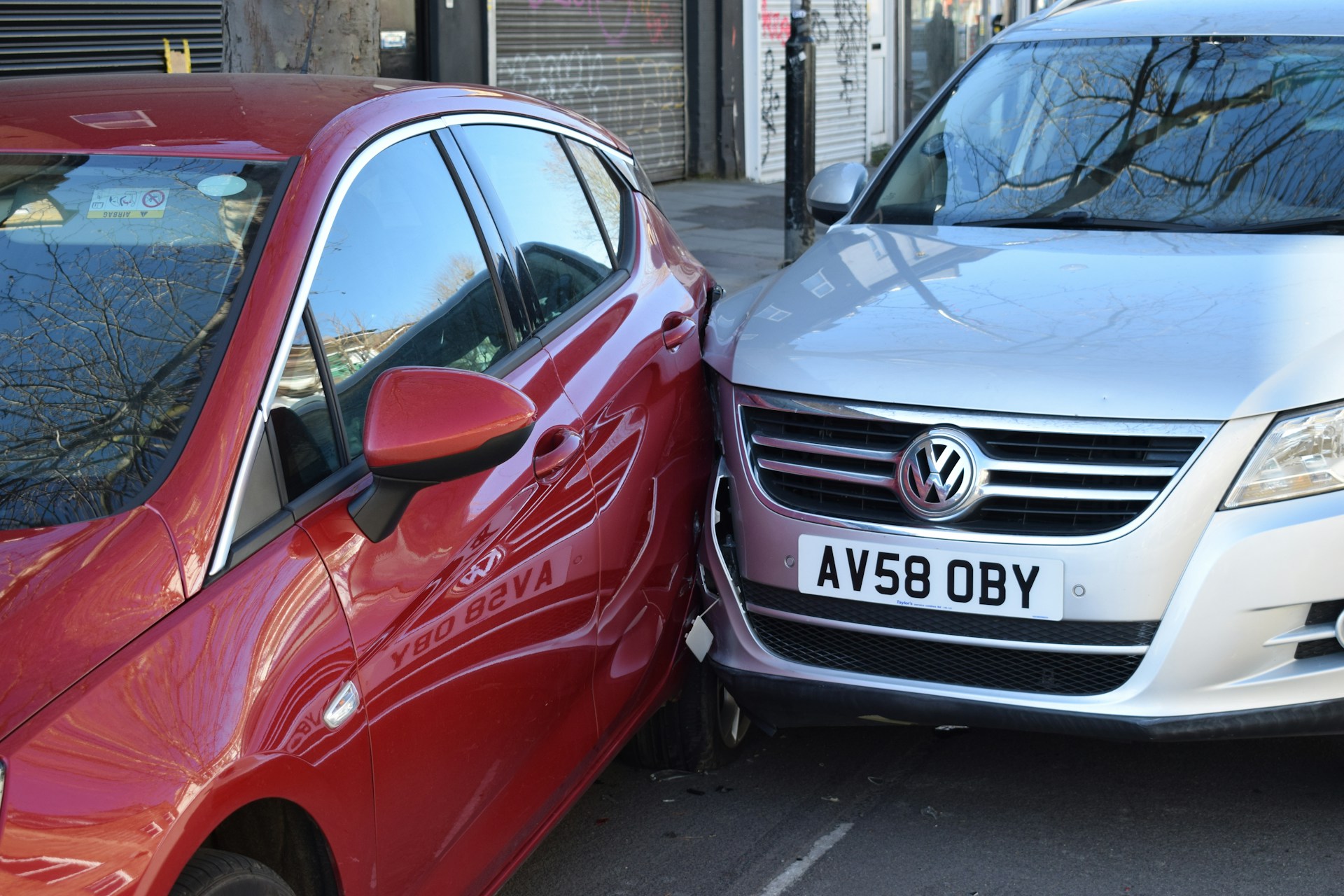
Take photos of the vehicles and visible damage before repairs begin.
You should also pay attention to how you feel after the crash. Adrenaline can temporarily hide pain, and some injuries do not become obvious until later.
What If the Driver Threatened You or Displayed a Weapon?
Do not challenge, follow, or approach the driver. Create distance and call 911. Tell the dispatcher exactly what you saw, including the type of weapon if you could identify it and whether a specific threat was made.
Avoid guessing about details you did not clearly see. Laws involving threats, assault, weapons, and self defense vary by state, so specific legal questions should be handled with qualified local guidance.
Should You Notify Your Insurance Company?
Notify your insurer promptly if the incident caused a collision, injury, or vehicle damage. Provide the police report number, photos, witness information, and saved video when requested.
Keep your description factual. Avoid admitting fault, guessing about the other driver's motives, or downplaying injuries before they have been properly evaluated.
Depending on the situation and your policy, collision, comprehensive, uninsured motorist, medical payments, or personal injury protection coverage may apply.
If the insurer limits or denies coverage, ask for the explanation in writing.
Does Insurance Cover Intentional Road Rage Damage?
Sometimes, but coverage depends on the circumstances.
Insurance policies often exclude intentional damage caused by the insured person. However, an innocent driver who is intentionally hit may still have coverage under parts of their own policy or the responsible driver's policy.
The insurer may investigate whether the impact was accidental, reckless, or intentional. That distinction can affect both liability and coverage.
If coverage is denied, review the written reason and the policy language before accepting the decision.
When Should You Seek Medical Care?
Get emergency help for severe pain, heavy bleeding, loss of consciousness, breathing problems, confusion, weakness, numbness, vision changes, or possible head, neck, or spinal injuries.
Even if symptoms seem minor, consider getting evaluated if you were involved in a collision or physical confrontation.
Tell the medical provider that your symptoms began after the incident, and keep records of treatment, medications, restrictions, and expenses.
When Should You Contact an Attorney?
Consider speaking with an attorney if the incident involved serious injuries, intentional impact, assault, a weapon, hit and run, disputed fault, major property damage, denied insurance coverage, or possible criminal charges.
A lawyer can help preserve evidence, communicate with insurers, and explain how a criminal investigation and civil claim may affect each other.
What Is the Most Important Next Step?
Focus first on getting out of danger. Do not confront, follow, or retaliate against an aggressive driver.
Once you are safe, document the incident while your memory is fresh. Save evidence, file the appropriate police report, seek medical care when needed, and notify your insurer.
If the incident involved serious injuries, threats, intentional damage, or a coverage dispute, consider getting legal advice based on the laws in your state.
Start Your Quote Today
Our licensed specialist will search for the best insurance quotes and will email you when ready.