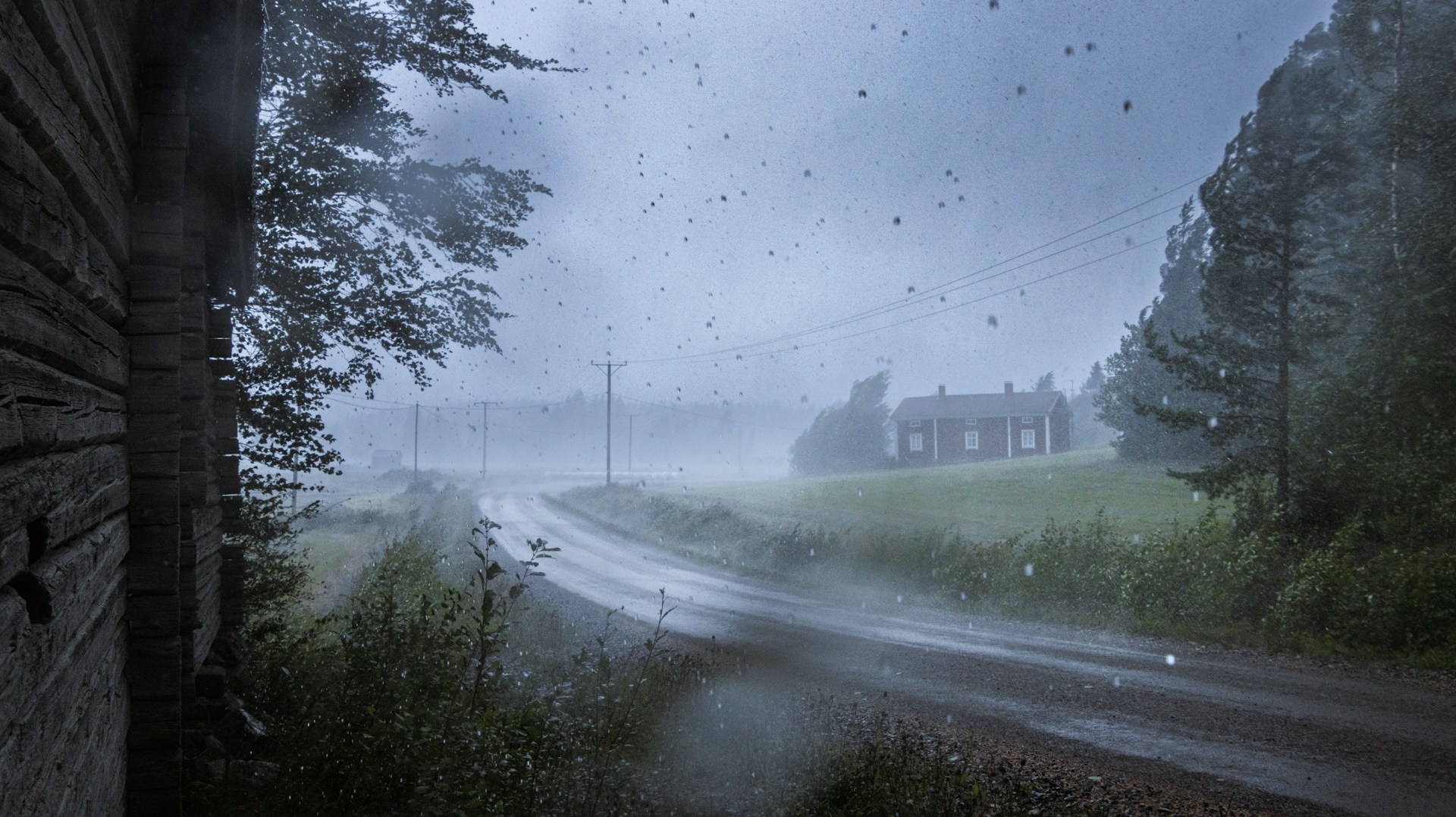
Seeing shingles scattered across your yard after a hurricane is stressful enough. Then comes the bigger question: will your homeowners insurance pay for the roof damage?
In many cases, the answer is yes. A standard homeowners policy often covers sudden roof damage caused by hurricane winds. Still, coverage depends on the cause, the earlier condition of the roof, your policy terms, and your deductible.
Here is how to understand your coverage and what to do if a storm damages your home.
Does Homeowners Insurance Cover Hurricane Roof Damage?
Homeowners insurance commonly covers roof damage caused by wind, including winds from a hurricane. If strong winds tear off shingles, lift roofing materials, or send a tree onto your home, your dwelling coverage may help pay for repairs.
Dwelling coverage is the part of your policy that protects the physical structure of your home. It generally covers the roof, walls, attached garage, and other built in features.
Some coastal policies exclude wind damage or limit protection. Homeowners in these areas may need a separate windstorm policy through a private insurer or state program.
What Types of Roof Damage May Be Covered?
Your insurer will look for evidence that a covered event caused sudden and accidental damage. Examples may include:
- Shingles torn away by hurricane winds
- Roof decking damaged by flying debris
- A tree or large branch falling onto the roof
- Rain entering through an opening created by covered wind damage
- Damage to gutters, flashing, vents, or other attached roof components
The cause matters. Rain that enters after wind creates a hole may be covered, while rain leaking through an old or previously damaged roof may not be.
When Hurricane Roof Damage May Not Be Covered
A claim can be denied or reduced when the damage comes from an excluded cause or an existing problem. Common reasons include the following.
Wear, Age, and Poor Maintenance
Insurance protects against unexpected damage, not routine upkeep. If shingles have deteriorated over many years or a known leak was never repaired, the insurer may decide that wear or neglect caused part or all of the loss.
An older roof may still have coverage for new storm damage, but proving the cause can be harder. Inspection reports, receipts, and earlier photos can help.
Flooding and Storm Surge
Standard homeowners insurance generally does not cover flooding. This includes storm surge and water that rises from the ground. Separate flood insurance can protect the building and, if selected, your belongings from covered flood losses.
One hurricane can cause both wind and flood damage. Your homeowners insurer may handle the wind loss, while your flood insurer handles covered flooding.
A Wind Exclusion
Some policies in areas with high hurricane risk exclude windstorm or hurricane damage. Check the exclusions page and declarations page of your policy. The declarations page is the summary that lists your coverage limits, deductibles, and key policy details.

How Your Hurricane Deductible Affects the Claim
A deductible is the amount you cover before the insurer pays an eligible claim. In hurricane prone states, policies may include a separate, higher hurricane deductible.
This deductible often equals a percentage of your dwelling coverage limit rather than a flat dollar amount. If your home has $300,000 in dwelling coverage and the hurricane deductible is 2 percent, your share of the covered loss would be $6,000.
Rules differ by state and policy. Review the wording before storm season so the amount does not surprise you.
Will Insurance Pay for a Full Roof Replacement?
Insurance does not always pay for a new roof. If one area has covered damage and matching materials are available, the insurer may approve a repair.
The payment also depends on how your roof is insured:
- Replacement cost coverage generally pays the reasonable cost to repair or replace covered damage with materials of similar kind and quality, subject to policy terms.
- Actual cash value coverage subtracts depreciation for age and condition. An older roof may therefore receive a much smaller payment.
- A roof payment schedule limits reimbursement according to the roof's age and material, even if the damage itself is covered.
Some insurers first pay actual cash value, then release the remaining replacement cost after completed work is documented. Ask your adjuster about requirements and deadlines.
What to Do After a Hurricane Damages Your Roof
Put safety first. Do not climb onto a wet or unstable roof, and stay away from fallen power lines. Once it is safe, take these steps:
- Photograph and record the damage from safe locations.
- Contact your insurer promptly and ask which deductible applies.
- Prevent further damage with safe temporary measures, such as a professional tarp.
- Keep receipts for emergency work, materials, and temporary lodging.
- Get written estimates from licensed and reputable roofing contractors.
- Avoid signing over claim benefits or paying the full repair cost immediately.
Your policy usually requires reasonable steps to prevent additional damage. Avoid permanent repairs until the insurer inspects the property or says you may proceed. Document any urgent work before and after completion.
Review Your Roof Coverage Before the Next Storm
Homeowners insurance often covers sudden hurricane roof damage caused by wind, debris, or a fallen tree. It usually will not pay for flooding, aging, neglect, or excluded damage.
Before hurricane season, review your dwelling limit, roof settlement method, wind coverage, and hurricane deductible. Ask your agent to explain anything unclear in plain language. A short coverage review now can make a difficult claim easier and help you avoid an expensive surprise after the next storm.
Start Your Quote Today
Our licensed specialist will search for the best insurance quotes and will email you when ready.