

Space Heater Safety Tips: How to Prevent Fires and What Homeowners Insurance May Cover
When temperatures drop, a space heater is an easy way to warm a bedroom, home office, or living room without heating the whole house. But a heater placed too close to a blanket, plugged into the wrong outlet, or left running overnight can quickly become a fire hazard.
The good news is that most of these risks can be reduced with a few simple habits. Here’s how to stay warm safely and what homeowners insurance may cover if something goes wrong.
Why Are Space Heaters a Fire Risk?
Space heaters produce a lot of heat in a small area, which can become dangerous when they’re used incorrectly. The National Fire Protection Association (NFPA) identifies space heaters as a major cause of home heating fires. Common causes include:
- Nearby flammable materials: Curtains, blankets, and furniture can ignite when placed too close.
- Overloaded outlets: Extension cords and power strips can overheat under a heater’s electrical load.
- Unattended heaters: Running a heater while sleeping or away raises the risk.
- Damaged equipment: Frayed cords and faulty plugs can cause electrical fires.
- Accidental tipping: Children, pets, or everyday movement can knock a heater over.
8 Essential Space Heater Safety Tips to Prevent Fires
Keeping your home warm shouldn’t put your safety at risk. These space heater safety precautions can help protect your home and family.
1. Keep Space Heaters at Least Three Feet Away
Keep your heater at least three feet from anything that can burn, including curtains, bedding, furniture, clothing, and paper. Even without direct contact, nearby heat can still create a fire risk.
2. Plug Your Heater Directly Into a Wall Outlet
Space heaters draw significant electricity, so extension cords and power strips can overheat. Always plug your heater directly into a wall outlet, avoid sharing it with other high-powered appliances, and stop using it if the plug or outlet feels unusually hot.
3. Never Leave a Space Heater Running Unattended
An unattended heater can overheat, tip over, or ignite nearby objects. Turn it off and unplug it whenever you go to bed, leave your home, or step out of the room for an extended period.
4. Choose a Heater With Built-In Safety Features
When shopping for a heater, look for features that add an extra layer of protection:
- Tip-over protection: Turns the heater off if it falls over.
- Overheat protection: Shuts the heater down when it gets too hot.
- Safety certification: Shows it was tested by a recognized organization such as UL or ETL.
These features help, but they don’t replace safe heating habits.
5. Place Your Heater on a Flat, Stable Surface
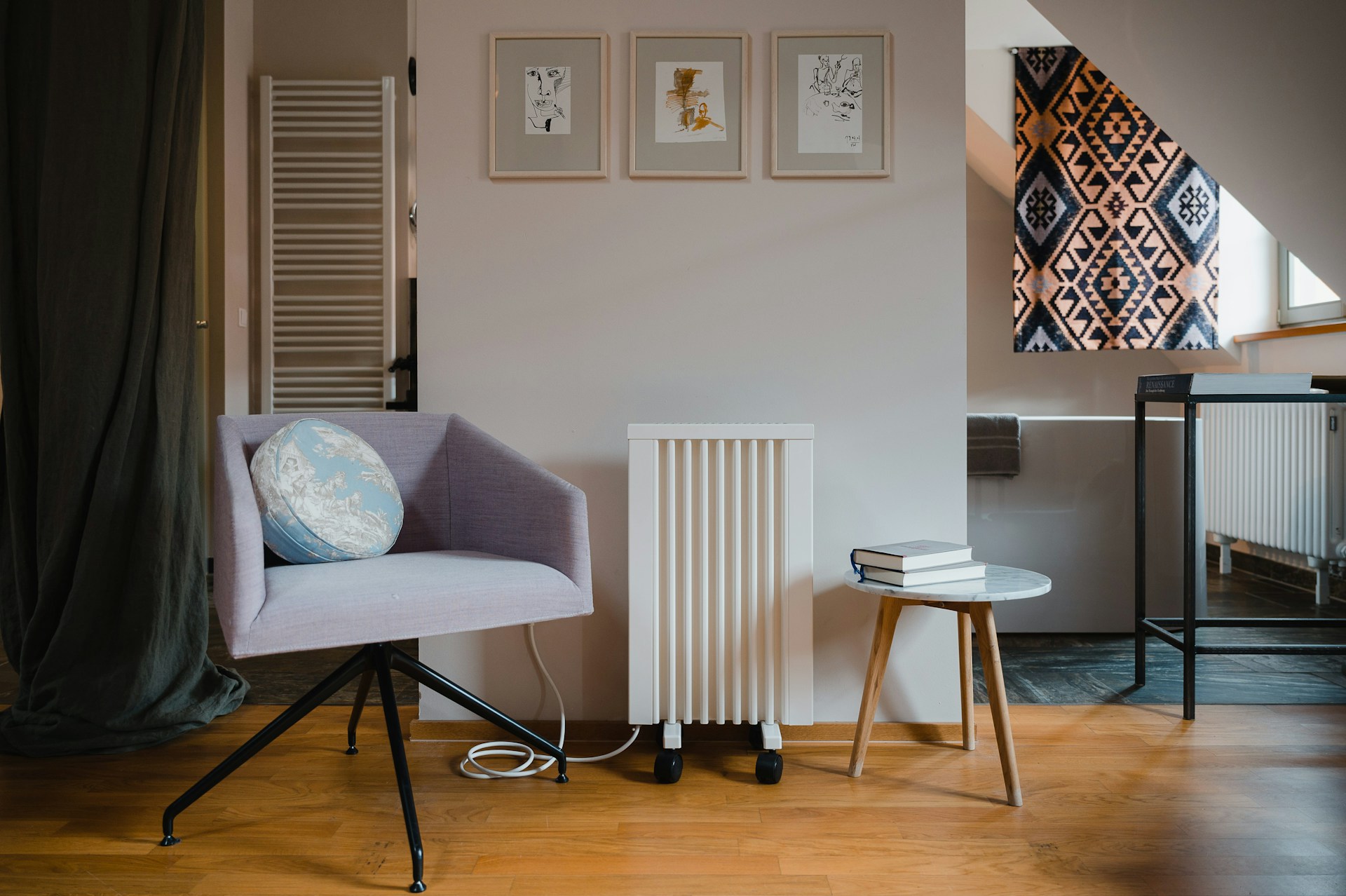
Position your heater on a firm, level, nonflammable floor. Avoid beds, couches, tables, and rugs, which can trap heat or make the heater easier to knock over. Keep it out of busy walkways and doorways, too.
6. Keep Children and Pets Away
Touching a hot heater can cause burns, and knocking it over can start a fire. Create a three-foot safety zone, teach children not to touch or move the heater, and never leave pets alone in a room with one running.
7. Check Your Heater Before Every Use
Look for damaged cords, loose plugs, unusual smells, or signs of overheating before turning it on. If something seems wrong, stop using it until it’s checked or replaced. Follow the manufacturer’s instructions and avoid recalled models.
8. Install and Test Smoke Alarms
Working smoke alarms can warn your family before a fire spreads. Install them on every level of your home and near sleeping areas, test them monthly, and make sure everyone knows your home fire escape plan.
Does Homeowners Insurance Cover Space Heater Fires?
Homeowners insurance generally covers accidental fires caused by space heaters, depending on your policy’s terms, limits, and exclusions. Here’s how different types of coverage may help.
Dwelling Coverage
Dwelling coverage helps repair or rebuild your home’s structure after a covered fire, including walls, ceilings, floors, and built-in fixtures, up to your policy limits.
Personal Property Coverage
A fire can also destroy furniture, clothing, and electronics. Personal property coverage may help repair or replace these items. Your payout depends on your limits and whether your policy pays replacement cost or actual cash value.
Additional Living Expenses
If your home becomes unsafe to live in, additional living expenses coverage, also called loss of use, may help pay for temporary lodging, extra meal costs, and other eligible expenses during repairs.
When a Space Heater Fire May Not Be Covered
Claims involving intentional damage, excluded activities, or other policy violations may be denied. Your deductible and coverage limits also affect how much your insurer pays.
Using a heater incorrectly doesn’t automatically mean a denied claim. Coverage depends on the circumstances and your specific policy, which is why reviewing it before an accident matters.
What Should You Do After a Space Heater Fire?
Your first priority is everyone’s safety. Leave the building immediately, call emergency services, and don’t go back inside until firefighters say it’s safe. Once the situation is under control:
- Contact your insurance company: Report the incident as soon as possible.
- Document the damage: Take photos and videos when it’s safe.
- List damaged belongings: Record affected items and their estimated values.
- Prevent further damage: Take reasonable protective steps when safe and permitted.
- Keep receipts: Save records of emergency repairs and temporary living costs.
Start Your Quote Today
Our licensed specialist will search for the best insurance quotes and will email you when ready.

