Winter storms often bring freezing temperatures, power outages, and unexpected damage to homes. As a homeowner, it is essential to know what your homeowners insurance covers during such events, so you can avoid surprises when damage occurs. A winter power outage can disrupt your daily life, causing issues like food spoilage, burst pipes, or even electrical surges. Understanding what is covered and what isn’t by your insurance can help you manage these situations better.
To navigate the fallout effectively and avoid unexpected out-of-pocket losses, you must understand the precise technical mechanics governing standard property policies. Property coverage operates under strict boundaries that distinguish a covered weather emergency from preventable property maintenance neglect.
What Homeowners Insurance Covers
Burst Frozen Pipes
Most homeowners policies cover water damage from burst frozen pipes. But there's a condition attached. Your policy requires "reasonable care" to keep the home heated, typically above 55°F. If you left for a trip and turned the heat off entirely, your carrier may deny the claim on the grounds of negligence. To protect the claim, either keep the heat on at 55°F or higher, or shut off the main water supply and drain the pipes before leaving. Coverage is subject to your standard dwelling deductible.
Power Surge Damage
When power comes back on after an outage, the surge can damage electronics and appliances. Most policies cover sudden, accidental power surge damage to personal property: refrigerators, TVs, computers, and similar items. Adjusters will check whether a damaged appliance was already failing due to age or wear before the surge. Pre-existing mechanical deterioration is not covered.
Storm-Related Structural Damage
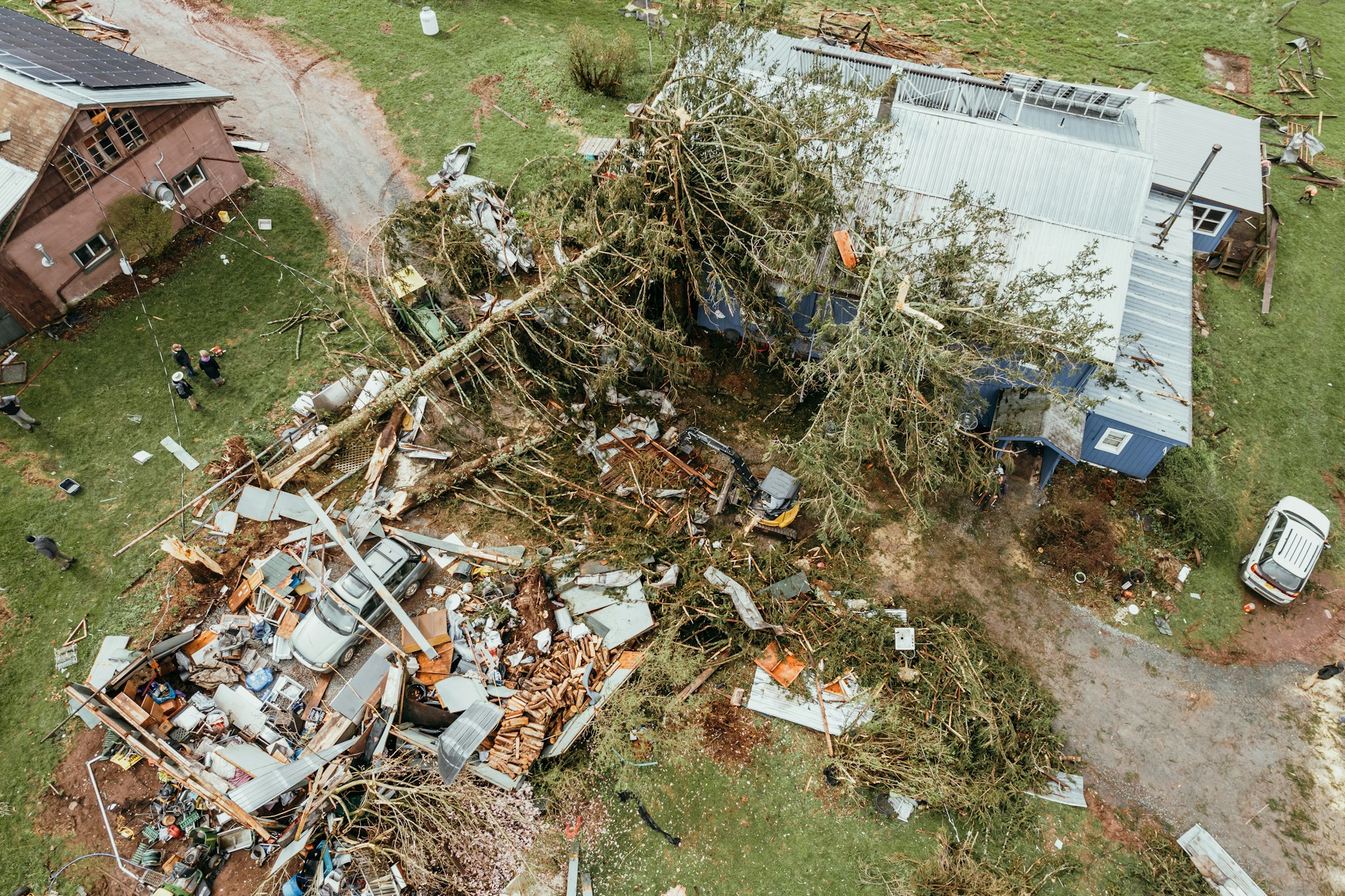
If a fallen tree or downed power line damages your roof, windows, or siding during a winter storm, that's typically covered under your policy's standard wind/storm provisions — as long as the damage traces to a covered peril, not something separately excluded like flooding.
Food Spoilage
Some policies cover spoiled food from a power outage. Most cap reimbursement at $500, and some waive the deductible for spoilage specifically.
Before filing a food spoilage claim, check your deductible. If your deductible is $1,000 and your loss is $400, you'll recover nothing, and the filed claim stays on your CLUE report, which can raise future premiums. Confirm whether your policy has a no-deductible spoilage endorsement before assuming a claim is worth it.

What Homeowners Insurance Does Not Cover
Off-Premises Utility Failure
This is the most important exclusion to understand. Standard homeowners policies do not cover losses caused by a utility failure that originates off your property. If a regional transmission station fails or a power line goes down miles away and your home loses power as a result, your policy does not cover the resulting food spoilage, pipe damage, or appliance loss by default.
This is different from on-premises damage. If a tree on your property takes down your specific power line drop, that's a covered structural event. If the outage originates from the grid, it's excluded.
To cover off-premises outage losses, ask your agent about an Off-Premises Utility Interruption Rider or an Equipment Breakdown Endorsement.
Normal Wear and Appliance Breakdown
Power outage or not, appliances that fail due to age or mechanical breakdown are not covered under standard homeowners policies. Coverage requires the cause to be a sudden external event, not gradual deterioration.
Quick Reference: What's Covered
How to Protect Yourself Before a Winter Storm
Review your deductibles: Know whether you have a flat dollar deductible or a percentage-based deductible before a storm hits. A 2% deductible on a $300,000 home means $6,000 out of pocket before coverage applies.
Document your home before the storm: Walk through and video your electronics, appliances, and freezer contents. Record serial numbers. Timestamped pre-storm documentation makes claims significantly easier to process.
Protect your pipes: Keep heat above 55°F in all rooms, including basements and crawlspaces. If you're leaving for an extended period, shut off the main water supply and drain the plumbing. Consider a cellular-connected temperature sensor in unheated areas to alert you if temperatures drop.
Install surge protection: A whole-home surge protector at the main breaker panel provides a first layer of defense for appliances during grid restoration. Individual point-of-use surge protectors add a second layer for sensitive electronics.
Start Your Quote Today
Our licensed specialist will search for the best insurance quotes and will email you when ready.