When a hurricane is heading your way, insurance paperwork is probably the last thing you want to figure out. You may be more concerned about where you will stay, whether your apartment will be safe, and what happens if your furniture, electronics, or clothing gets damaged.
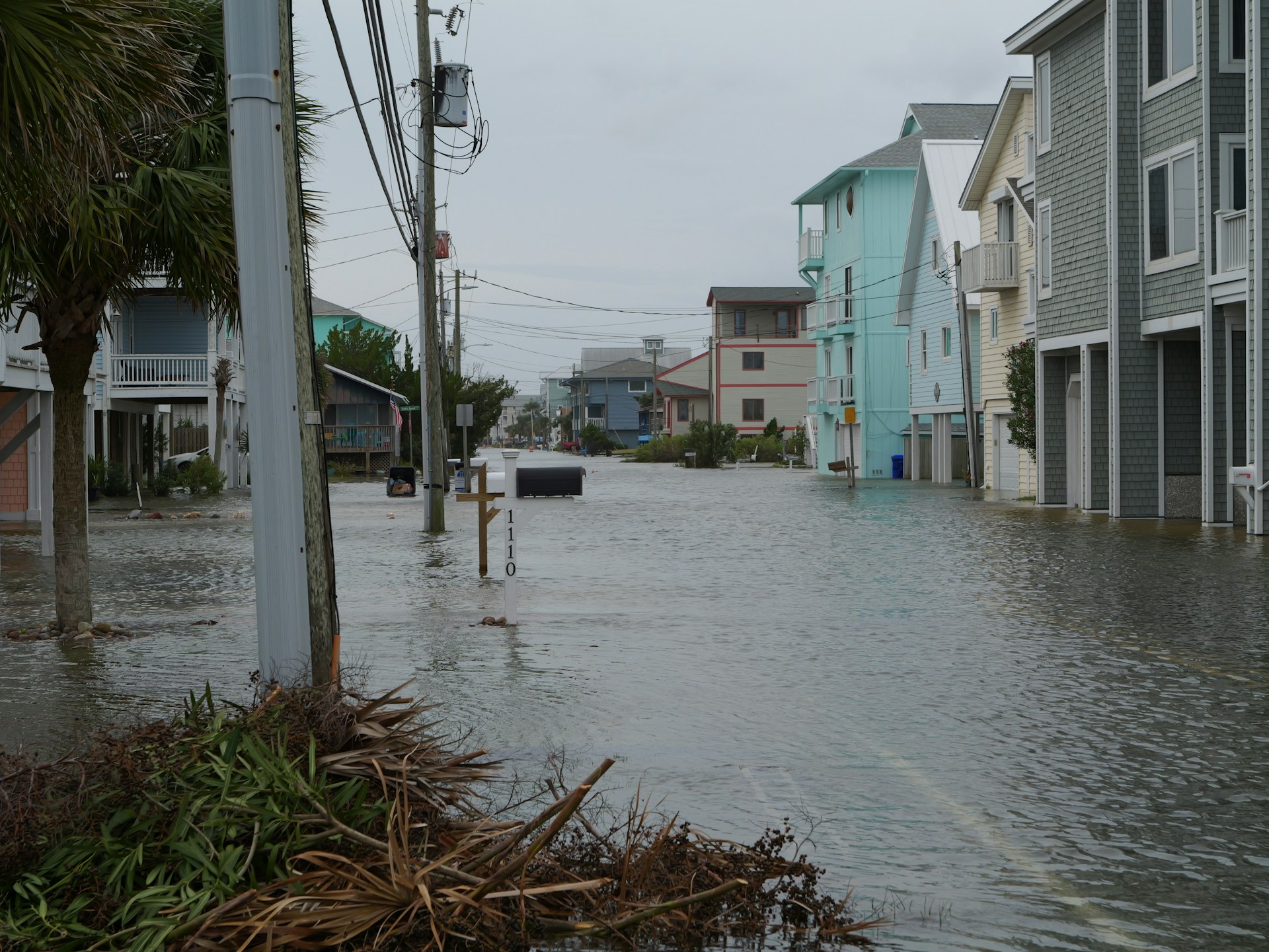
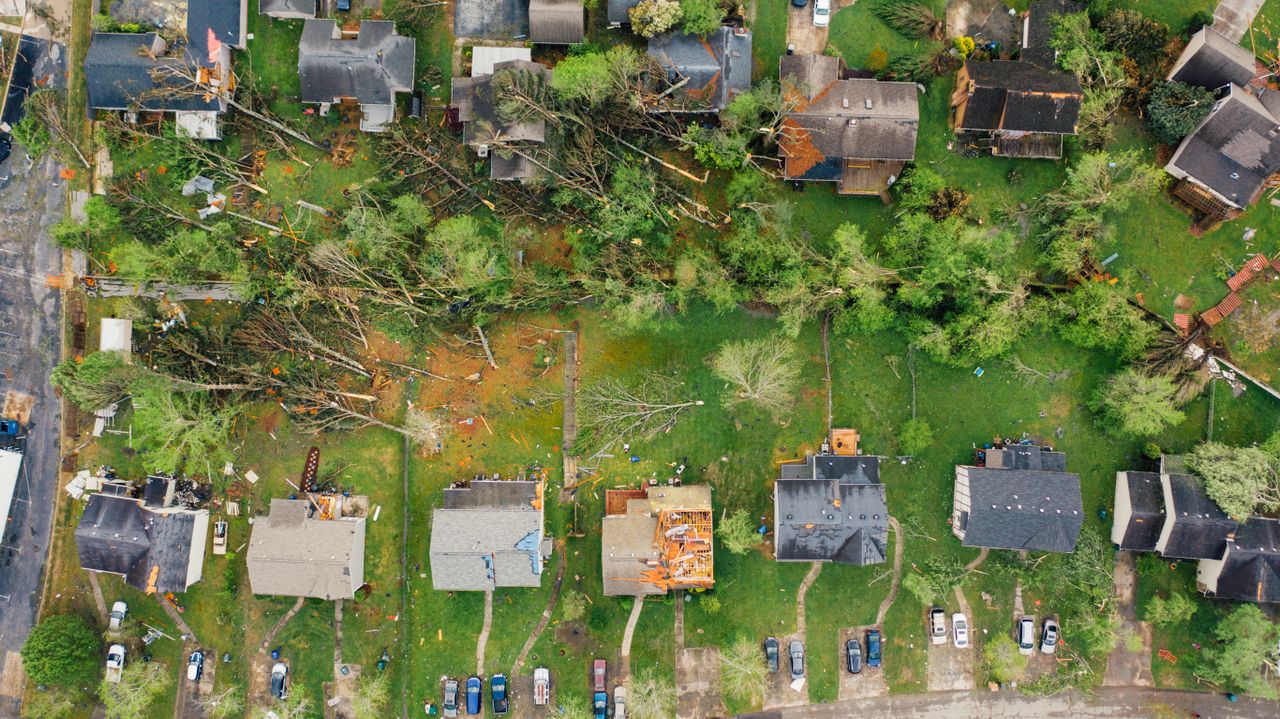
Here is the short answer: renters insurance may cover hurricane damage caused by wind, but it usually does not cover flooding or storm surge.
That distinction matters because a single hurricane can cause several types of damage. Insurance companies look at what caused the loss—not simply whether a hurricane was responsible for the overall event.
What Hurricane Damage Does Renters Insurance Cover?
Renters insurance protects the belongings you keep inside your rented home or apartment. Your landlord’s policy generally covers the building itself, such as the roof, walls, and permanent fixtures, but it does not pay to replace the things you own.
Most renters policies cover windstorms. That means your belongings may be protected if hurricane winds directly cause the damage.
For example, your policy may cover your belongings if:
- Strong winds break a window and damage your furniture.
- A tree falls through the roof and destroys your electronics.
- Wind damages the roof, allowing rain to enter the apartment.
- Lightning or a hurricane-related fire damages your property.
- Someone steals your belongings after the storm.
Every policy has its own limits and exclusions, especially in hurricane-prone coastal areas. Some renters may need separate windstorm coverage, so it is worth checking before storm season begins.
What Hurricane Damage Is Usually Not Covered?
Flooding and Storm Surge
Flood damage is one of the biggest, and often most surprising—gaps in renters insurance.
A standard renters policy usually will not cover your belongings if rising water enters your home. This includes flooding caused by heavy rain, overflowing waterways, or storm surge.
Storm surge happens when hurricane winds push seawater inland. Even though the hurricane caused it, insurers classify storm surge as flooding rather than wind damage.
Imagine that hurricane winds break your window and rain damages your couch. Your renters policy may cover that loss. But if storm surge rises through the building and ruins the same couch, your standard policy probably will not cover it.
To protect your belongings from rising water, you generally need a separate renters flood insurance policy. The National Flood Insurance Program offers contents coverage for renters, and private flood insurance may also be available.
Do not assume your landlord’s flood policy protects you. That policy generally covers the building, not your furniture, clothing, electronics, or other personal belongings.
Other Damage That May Be Excluded
Renters insurance may also exclude or limit coverage for:
- Water backing up through a sewer or drain
- Mold that develops gradually after the storm
- Damage caused by neglect
- Vehicles damaged during the hurricane
- Jewelry, artwork, or collectibles above policy limits
If you own expensive items, ask whether your policy places a “sublimit” on them. A sublimit is a smaller coverage cap for a specific type of property, such as jewelry or electronics.
Will Renters Insurance Pay for a Hotel?
It may, depending on why you had to leave your rental.
Most renters policies include loss-of-use coverage, sometimes called additional living expenses. This coverage helps with the extra costs you face when a covered event makes your home unsafe or unlivable.
It may help pay for:
- A hotel or temporary rental
- The added cost of restaurant meals
- Laundry services
- Additional transportation
- Temporary pet boarding
Suppose hurricane winds damage your apartment so badly that you cannot stay there. Your loss-of-use coverage may help while repairs are underway.
However, if flooding alone forces you to leave, your standard renters policy may not pay for temporary housing because it excludes the cause of the damage. Standard policies also place time or dollar limits on this coverage, so check before booking a long-term stay whenever possible.
How Do Hurricane Deductibles Work?
A deductible is the amount you agree to pay before your insurance starts contributing to a covered claim.
For example, suppose hurricane winds cause $5,000 in covered damage and your deductible is $500. Your insurer may pay up to $4,500, depending on your limits and policy terms.
Some policies in hurricane-prone areas have separate hurricane, named-storm, or windstorm deductibles. These can be higher than the deductible used for an ordinary claim.
Look at your policy’s declarations page, which summarizes your coverage, limits, and deductibles. If the wording feels confusing, ask your agent these questions:
- Does my policy include wind damage?
- Do I have a separate hurricane or named-storm deductible?
- Is wind-driven rain covered?
- Are my belongings covered at replacement cost or actual cash value?
- How much temporary housing coverage do I have?
Replacement cost coverage is generally more helpful because it pays based on what a comparable new item costs today. Actual cash value coverage subtracts depreciation for age and wear, so the payment may be much lower than the cost of replacing the item.
How Can Renters Prepare Before a Hurricane?
You do not need to become an insurance expert. A few practical steps can make a major difference if you eventually need to file a claim.
Start by creating a simple home inventory. Take photos or a video of each room, including valuable items, model numbers, and receipts when available. Save the files online so you can access them even if you have to evacuate.
Before hurricane season, you should also:
- Review your personal property coverage limit.
- Confirm whether your policy includes wind damage.
- Ask whether separate flood insurance makes sense for your location.
- Keep important documents in a waterproof container.
- Move valuable belongings away from windows and off the floor.
- Save your policy number and insurer’s claims contact information.
Do not wait until a hurricane is already approaching. Insurance companies may temporarily stop issuing new policies or allowing coverage changes once a storm threatens an area.
What Should You Do After Hurricane Damage?
Return home only after local authorities say it is safe. Once inside, take photos and videos before moving or cleaning damaged belongings.
Contact your insurer as soon as possible and describe exactly what happened. Because wind and flooding can damage the same apartment, photograph broken windows, roof openings, water lines, and other evidence that may help show how the damage occurred.
Keep damaged belongings unless your insurer says you can discard them. Save receipts for emergency purchases, temporary housing, meals, and other storm-related expenses.
Start Your Quote Today
Our licensed specialist will search for the best insurance quotes and will email you when ready.