

Do Condo Owners Need Earthquake Insurance? What Your HOA May Not Cover
You pay your HOA dues every month, and part of that money goes toward building insurance. It is reasonable to think that insurance would help if an earthquake damaged your condo.
It might. But you could still receive a repair bill, need somewhere else to stay, or have damaged belongings to replace.
Condo earthquake insurance helps pay for covered earthquake damage and expenses that fall to you as a unit owner. Depending on your policy, that can include interior repairs, belongings, temporary housing, and certain HOA assessments.
Before deciding whether you need it, find out what your association actually insures and what you would have to pay yourself.
Do condo owners need earthquake insurance?
Earthquake insurance for condo owners is worth considering if paying for earthquake losses would put serious pressure on your savings. Having HOA insurance does not mean every expense you face will be covered.
Think about several costs arriving together: damaged kitchen cabinets, temporary rent, and your share of a building repair bill. You might manage one of those expenses comfortably. All three could be harder.
Your decision should reflect local earthquake risk, your building’s condition, the HOA’s coverage, and your budget. Check any lender or association requirements, too.
Whether you must buy coverage and whether it would help protect your finances are separate questions.
Does condo insurance cover earthquakes?
A standard condo insurance policy, often called an HO-6 policy, generally does not cover damage caused by earthquake shaking. You usually need separate earthquake coverage or an endorsement that adds it to your policy.
The same concern applies to your HOA. Its master policy does not automatically include earthquake protection.
A master policy is the insurance your association buys for the building and shared property. It may cover fire and other losses while excluding earthquakes.
Even when HOA earthquake insurance is in place, the association may face a substantial deductible, coverage limits, or excluded damage. Those unpaid costs may eventually reach owners through an assessment.
Ask for the current insurance documents. “The building is insured” does not tell you whether earthquake damage is covered or how much protection is available.
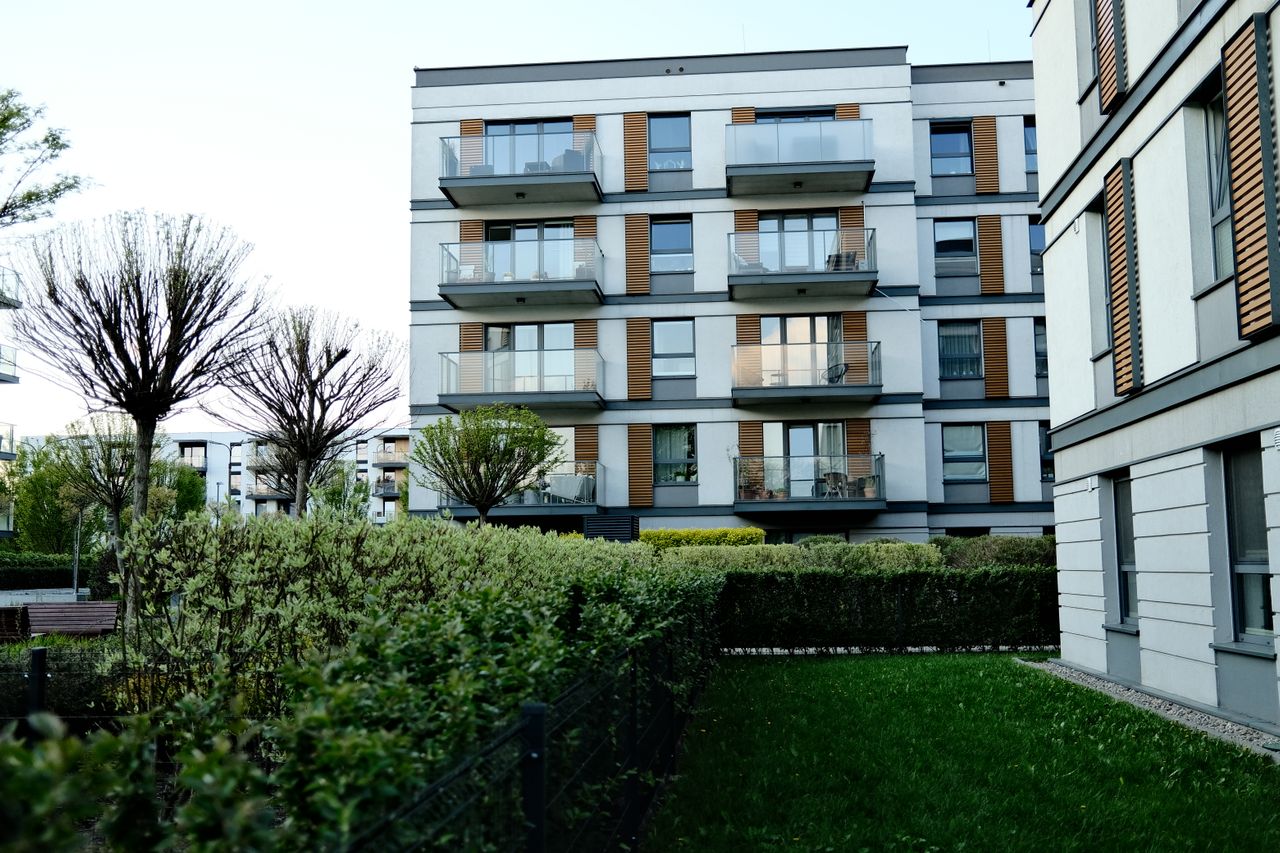
What might your HOA leave uncovered?
Your belongings, some interior features, and your temporary living expenses may fall outside the association’s protection.
The exact boundary depends on the master policy and your HOA’s governing documents. Some policies mainly cover the structure and shared areas. Others include interior finishes, such as flooring and cabinets. Owner upgrades may receive different treatment.
Washington’s Office of the Insurance Commissioner describes several master policy arrangements, including policies that cover interior finishes and others that exclude owner improvements.
Suppose you replaced the original kitchen with custom cabinets and stone counters. Would the association pay to restore those upgrades after earthquake damage?
Ask which policy insures your flooring, fixtures, cabinets, and improvements. Then confirm whether that policy covers earthquake damage. Knowing who insures an item is only half the answer.
What does condo earthquake insurance cover?
The coverage you select determines which expenses your policy can help with. Common options include:
- Interior repairs: Building property coverage may help repair permanently attached items you are responsible for, such as flooring, cabinets, and fixtures.
- Personal belongings: Personal property coverage may help replace damaged furniture, clothing, electronics, and other possessions. Special limits may apply to breakable or valuable items.
- Temporary living costs: Loss-of-use coverage may help pay eligible extra expenses when covered earthquake damage makes your condo unsafe to occupy.
- Certain HOA charges: Earthquake loss assessment coverage may help pay your share of qualifying association repair costs.
California Earthquake Authority condo policies offer these coverage categories, although each has its own terms and limits.
Check which options are included in your quote. A policy protecting your belongings alone may leave you without help for interior repairs or an HOA assessment.
What is earthquake loss assessment coverage?
Earthquake loss assessment coverage helps pay certain charges your HOA passes to you because of covered earthquake damage to shared property.
Those charges can arise when association insurance does not pay the full repair cost. A deductible, an insufficient limit, or uninsured damage may leave money to collect from owners.
In an Insurance Journal article, insurance educator Patrick Wraight explains that association deductibles and unpaid losses can become assessments charged to unit owners. He also highlights earthquake exclusions in the standard HO-6 loss assessment wording examined in the article.
That is why ordinary loss assessment coverage should not be assumed to cover earthquake-related charges.
For example, suppose an earthquake leaves your association with $600,000 in repair costs after its insurance payment. If those costs were divided equally among 60 owners, each owner’s assessment would be $10,000.
Your actual share depends on the association’s governing documents and how it allocates costs.
A qualifying assessment may be covered under your earthquake policy, subject to its deductible, limits, and other conditions. Ask specifically about the HOA’s earthquake deductible, uninsured earthquake damage, and the shared property in your community.
How do condo earthquake insurance deductibles work?
A condo earthquake insurance deductible is your share of a covered loss. It may be calculated as a percentage of the applicable coverage limit rather than the repair bill.
Suppose your interior coverage limit is $50,000 with a 10% deductible. Your deductible would be $5,000.
For a covered $20,000 repair claim, a simplified insurance payment would be $15,000, assuming no other terms change the amount.
Separate coverages may have separate deductibles. Interior damage, belongings, and loss assessments could therefore leave you with different amounts to pay yourself.
Loss of use may work differently. CEA condo policies, for example, have no deductible for that coverage. Other policies may differ.
Ask for every deductible in dollars. It is easier to compare quotes when you can see what each percentage means for your savings.
What does condo earthquake insurance usually exclude?
Condo earthquake insurance does not cover every expense following an earthquake. Vehicle damage and flood or tsunami damage generally require other coverage. Pre-existing damage is also outside the protection for a new earthquake loss.
Restrictions may apply to shared amenities, valuable belongings, and building code upgrades. Loss assessment coverage does not mean every charge from your HOA qualifies.
Your individual policy also does not replace the association’s building insurance. It covers specified losses and expenses that fall to you.
Review exclusions alongside the coverage amounts. A large limit will not help with an expense the policy excludes.
What should you check before buying coverage?
Review your HOA’s insurance and your own policy together. Bring your agent these questions:
- Does the HOA currently carry earthquake coverage?
- Which interior features am I responsible for insuring?
- How could the HOA’s deductible be charged to owners?
- Would my earthquake loss assessment coverage apply?
- How much temporary housing coverage would I have?
Estimate what it would cost to replace your belongings and repair the interior features you must insure. Then compare coverage limits and choose a deductible you could realistically manage.
Check what could fall to you
Your HOA may handle building repairs after an earthquake, but that does not mean you will avoid the bills. Your belongings, interior damage, temporary housing, and qualifying assessments may still need separate protection.
IZC Insurance can help you review your condo earthquake insurance options alongside the association’s coverage. Understanding your responsibilities now can help you choose protection that fits the costs you could actually face.
Start Your Quote Today
Our licensed specialist will search for the best insurance quotes and will email you when ready.

