Unexpected property damage, like broken steps or a loose entryway railing, can instantly create safety hazards on your property. Beyond the immediate inconvenience, broken stairs expose you to significant financial risk if a guest or delivery driver gets hurt.
Whether your homeowners insurance policy will cover these repairs depends entirely on what caused the damage and who was injured.
Understanding Property and Liability Protection
Homeowners insurance provides two primary forms of financial protection: property coverage for your physical structures and liability coverage for legal or medical issues.
Property Coverage: Your policy protects the main structure of your home and typically extends to attached features like stairs, railings, or porches. Where these items are physically located on your property dictates which specific coverage section handles the repair costs.
Personal Liability Coverage: If an individual is injured on your property, personal liability coverage handles medical expenses or legal fees. For example, if a delivery driver trips over a broken entryway step, your policy can help protect your savings. However, liability insurance only covers third-party guests; it never covers you or anyone else who resides in your household permanently.
Policy Exclusions: While insurance protects against sudden accidents, it does not cover gradual decay. Damage resulting from normal wear and tear, rust, wood rot, or a lack of routine home maintenance is strictly excluded from coverage.
When Will Home Insurance Cover Steps and Railings?
The baseline rule of property insurance is that it is designed to address sudden, accidental, and unexpected disasters, not slow deterioration.
Common Causes of Damage
Knowing the common causes of damage to steps and railings can help you understand whether your homeowners insurance may cover repairs.
Accidents and Vandalism: If your steps or railings are damaged by a sudden accident, such as a vehicle hitting your front walkway or an act of intentional vandalism, your policy will typically cover the repair costs under your standard property protection.
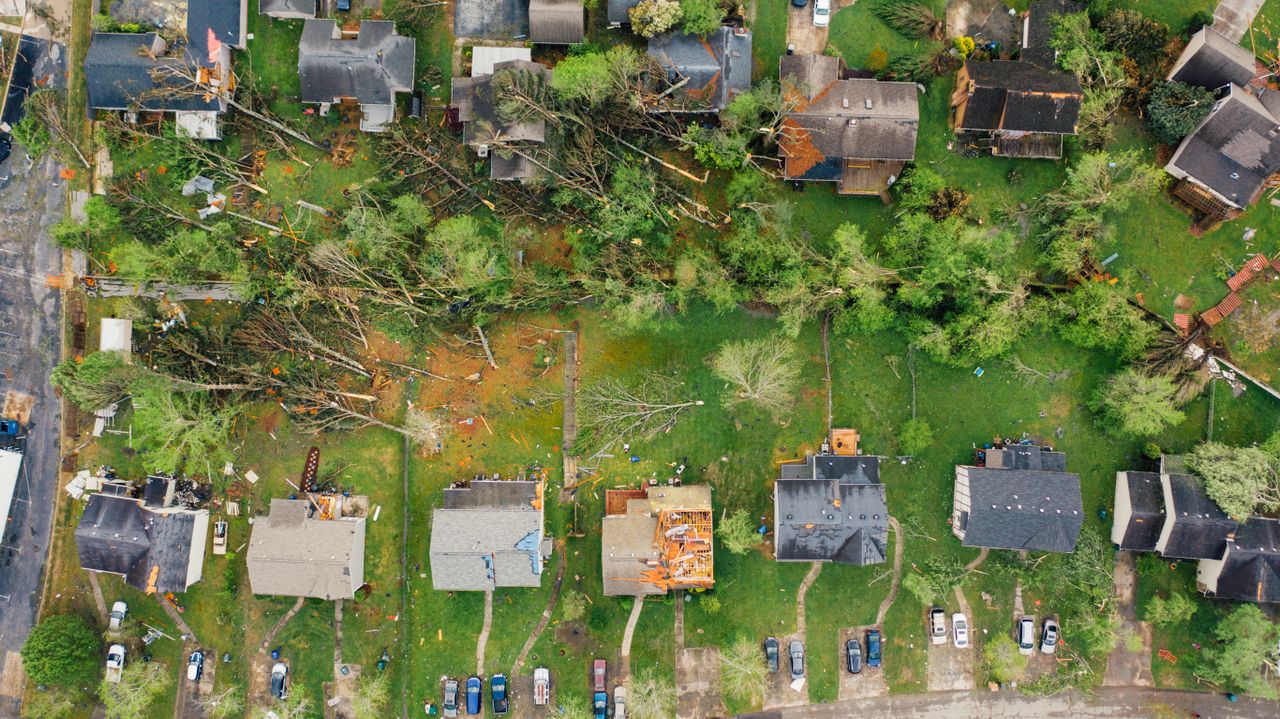
Severe Weather Events: Damage caused by covered weather events, such as a severe windstorm, a lightning strike, or a falling tree limb, is generally eligible for reimbursement because these occurrences are sudden and unpredictable.
Wear and Tear and Neglect: If a staircase or handrail degrades over time due to age, wood rot, or weathered wood, your insurance policy will not pay for repairs. Homeowners are expected to handle routine maintenance out of pocket.

How Policy Structure Applies to Structural Damage
If your steps or railings are damaged by a covered accident or storm, the payout falls under specific sections of your policy based on their physical layout:
Dwelling Coverage (Coverage A): This section covers features physically attached to your house, such as your main entryway porch, primary steps, and integrated structural railings.
Other Structures Coverage (Coverage B): If your stairs or railings are detached from the main house, such as steps on a backyard slope or a handrail leading to a detached garage, they are categorized under other structures, which is usually capped at 10% of your primary dwelling limit.
Medical Payments (Coverage F): If a visitor sustains a minor injury due to a loose railing, medical payments coverage handles their immediate medical bills (typically up to $5,000) regardless of who was at fault. This helps resolve minor injuries quickly to avoid formal litigation.
Personal Liability (Coverage E): If a third-party guest sues you for negligence following an injury on your stairs, personal liability coverage steps in to pay for your legal defense, court fees, and settlements up to your policy limits.
The Financial Math: Deductible vs. Repair Cost
Every insurance claim you file is recorded in a national database called your CLUE report for exactly five years, which can cause your premiums to increase. Before filing a claim for structural repairs, compare your contractor's estimate against your policy deductible.
If a contractor quotes you $1,200 to repair a broken handrail and your policy carries a $1,000 deductible, your insurance company will only issue a check for $200. Filing a claim for a nominal payout is generally counterproductive, as the resulting multi-year premium increase will likely cost more than the claim payout itself.
Steps to Take After Property Damage Occurs
If you discover sudden damage to your steps or railings, follow this structured process to protect your property and document the incident:
- Inspect the Area: Examine the damage safely to check for unstable wood, loose concrete, or broken brackets. Note the exact timing and cause if it was tied to a sudden storm or accident.
- Document with Photos: Take clear, wide-angle photos of the entire entryway, along with close-up shots of the specific breaks. If a storm caused the damage, capture photos of the surrounding yard debris to establish proof of the event for your adjuster.
- Secure the Hazard: Homeowners have a legal duty to mitigate further damage or injury once a hazard is identified. Block off broken steps with plywood or wrap caution tape around a compromised railing to actively prevent accidents.
- Get a Written Estimate: Secure an itemized repair quote from a licensed local contractor. This number confirms whether the cost exceeds your deductible and gives you clear documentation if you proceed with a claim.
- Contact Your Provider: If the repair costs significantly exceed your deductible, call your insurance agent to initiate the claim process. Present your photos, written repair estimates, and a clear explanation of the event.
Start Your Quote Today
Our licensed specialist will search for the best insurance quotes and will email you when ready.