Selling at a farmers market, county fair, craft show, festival, or outdoor pop-up can help your small business reach new customers. It can also expose you to risks that may not exist inside your regular shop.
That raises an important question: Does your shop’s insurance follow you to the booth at the County Fair?
The answer depends on your policy. Some business insurance policies extend to temporary off-site locations, while others limit coverage, exclude certain activities, or require an endorsement before the event. Checking before you set up can help you avoid an expensive surprise after an accident.
What Is Event Liability Insurance?
Event liability insurance helps cover claims involving bodily injury or property damage connected to an event. In plain language, it may help if someone gets hurt or their belongings are damaged because of your business activities.
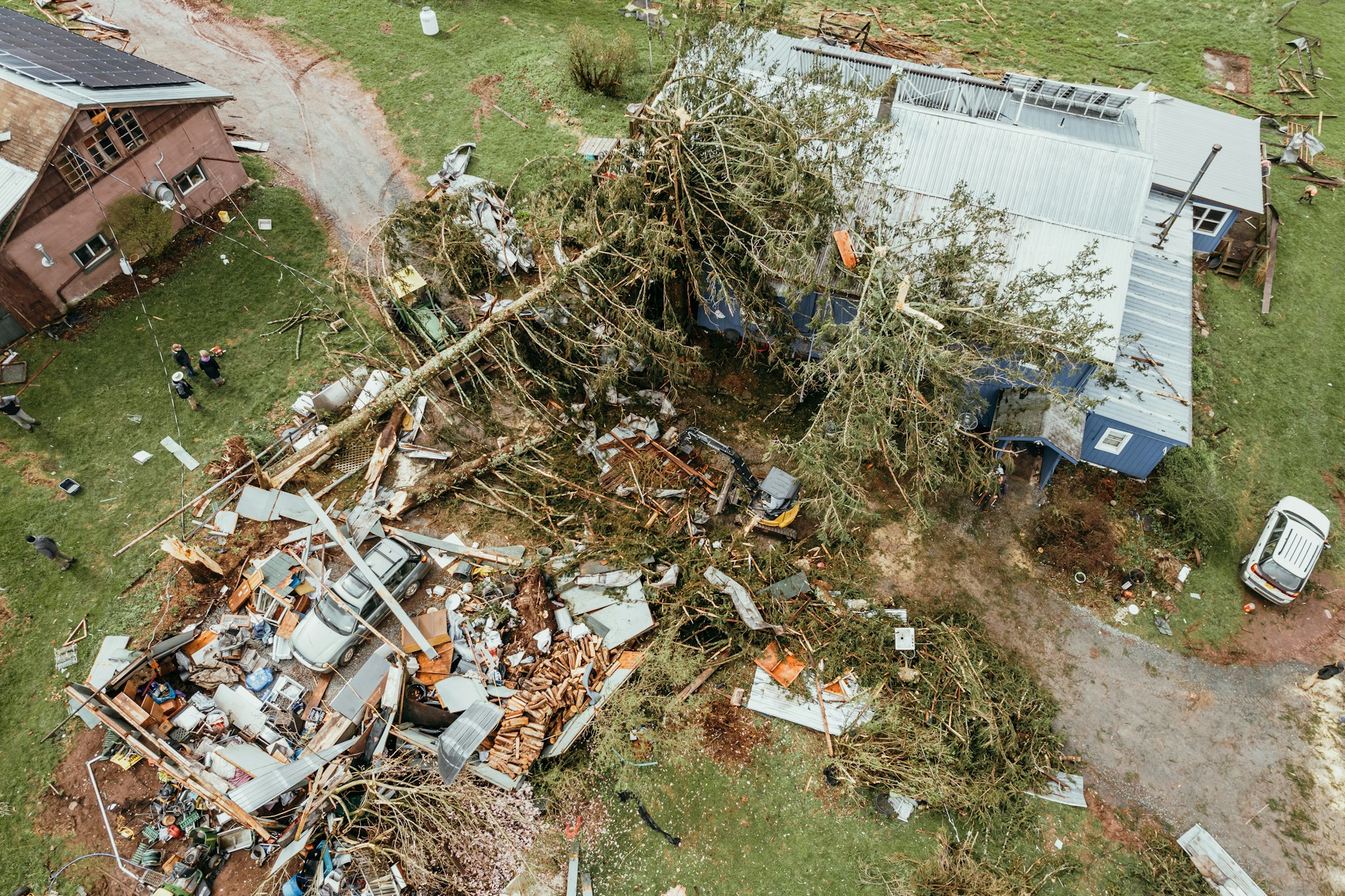
For example, a customer could trip over an extension cord, a display rack could fall, or your equipment could damage the venue. Without proper coverage, your business may have to pay these costs out of pocket.
Small business owners may hear several related terms:
- Special event insurance: Coverage purchased for a specific event or short period.
- General liability insurance: Ongoing business coverage that may apply to everyday operations, including some off-site activities.
- Vendor liability insurance: Coverage designed for businesses selling or providing services at fairs, markets, and festivals.
These terms can overlap, so focus on the policy details.
Does Your Existing Business Insurance Cover Off-Site Events?
A commercial general liability policy may cover your business away from its main location, but you should never assume it does. Coverage may depend on the event, location, products, and activities.
Ask your insurance agent or carrier:
- Does my liability coverage apply at temporary booths and outdoor events?
- Are fairs, trade shows, markets, and pop-ups included in my covered operations?
- Do I need to list the location or add an endorsement?
- Are food sales, alcohol, demonstrations, or equipment excluded?
- Does coverage apply during setup and teardown?
An endorsement is a change to your policy that expands, limits, or clarifies coverage. Your insurer may use one to add a temporary location or confirm that a particular event is covered.

Coverage Small Business Vendors May Need
Event liability may not protect every part of your operation. Review the following coverages based on what you sell, transport, and do at the event.
General Liability
General liability may cover third-party injuries and property damage. If a shopper slips near your booth or your tent damages another vendor’s display, this coverage may help with medical costs, repairs, settlements, and legal defense.
Product Liability
If you sell food, drinks, skincare, candles, toys, or other physical products, ask whether your policy includes product liability. It may help when a product allegedly causes injury, illness, or property damage.
Some products or ingredients may be excluded, so do not assume every item you sell has coverage.
Business Property and Equipment
Liability insurance normally does not cover your own stolen or damaged inventory, tent, shelves, payment device, or equipment. You may need commercial property coverage with off-site protection or inland marine insurance.
Inland marine insurance covers movable business property while it is transported or used away from your primary location. It can help vendors who travel with products, displays, or electronics.
Other Coverage to Review
Depending on your operations, you may also need:
- Commercial auto insurance for vehicles used to transport inventory, equipment, or trailers
- Workers’ compensation for employees injured while loading, setting up, selling, or cleaning up
- Liquor liability insurance if your business sells, serves, or furnishes alcohol
Personal auto and homeowners policies may offer little or no protection for business-related losses.
Why Event Organizers Ask for a Certificate of Insurance
Many venues and event organizers require vendors to provide a certificate of insurance, or COI. This document summarizes your active coverage, policy dates, insurer, and limits.
The organizer may also ask to be listed as an additional insured. This gives the organizer certain protections under your liability policy for claims connected to your participation. A COI alone does not automatically provide this status; your insurer usually must add it through an endorsement.
Request these documents early to avoid delays or participation issues.
Common Insurance Gaps for Event Vendors
Small business owners often discover gaps only after a loss. Common problems include:
- Assuming a homeowners policy covers a home-based business at public events
- Carrying liability coverage but no protection for stolen inventory
- Failing to disclose cooking, demonstrations, or powered equipment
- Using a personal vehicle for regular business transportation
- Buying event cancellation coverage and assuming it includes liability
- Meeting the organizer’s minimum limit without checking exclusions
Event cancellation insurance is different from liability insurance. It may reimburse certain losses when an event is canceled for a covered reason, but it does not replace protection against injury or property damage claims.
What to Do Before Your Next Market or Fair
Send your insurance professional the event name, dates, location, expected attendance, booth activities, products sold, equipment used, and organizer requirements. Ask for written confirmation that your policy applies.
Compare your coverage limits with the event contract. Confirm protection during setup, event hours, and teardown, and keep your COI and insurer’s contact information available.
You should also reduce preventable risks. Secure tents and displays, cover cables, keep walkways clear, protect food from contamination, store cash safely, and train anyone helping at the booth.
Start Your Quote Today
Our licensed specialist will search for the best insurance quotes and will email you when ready.