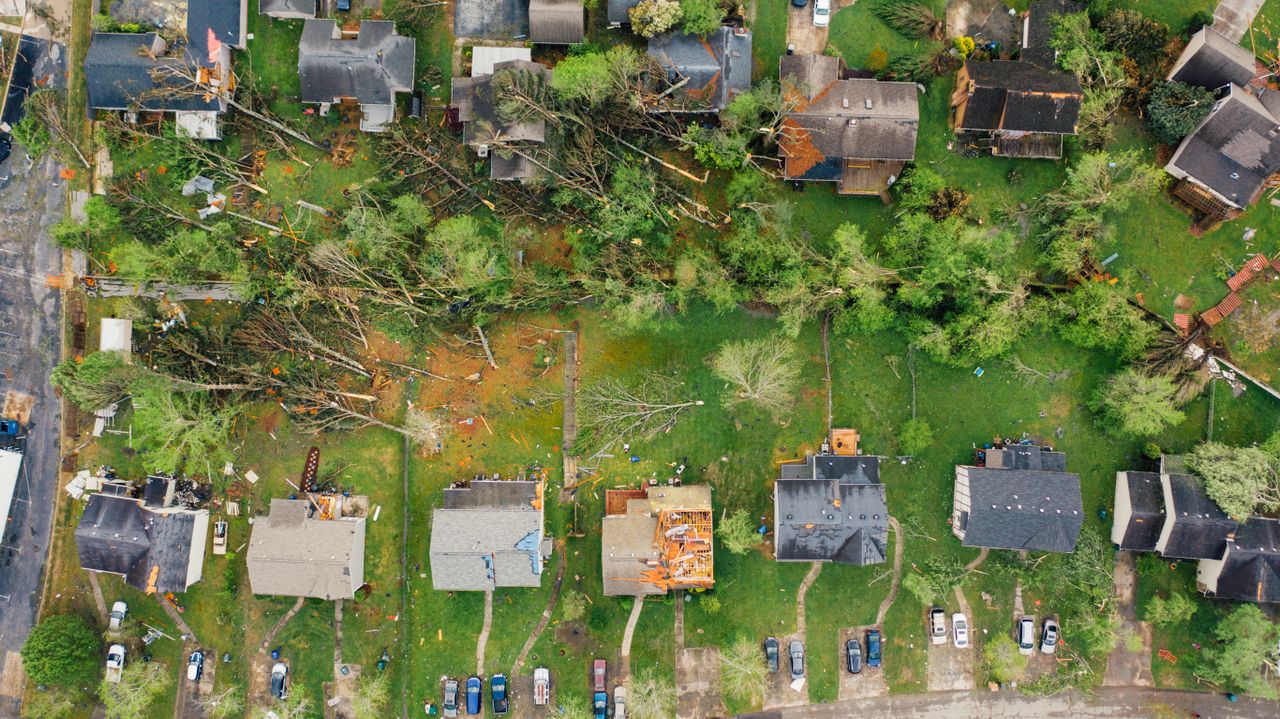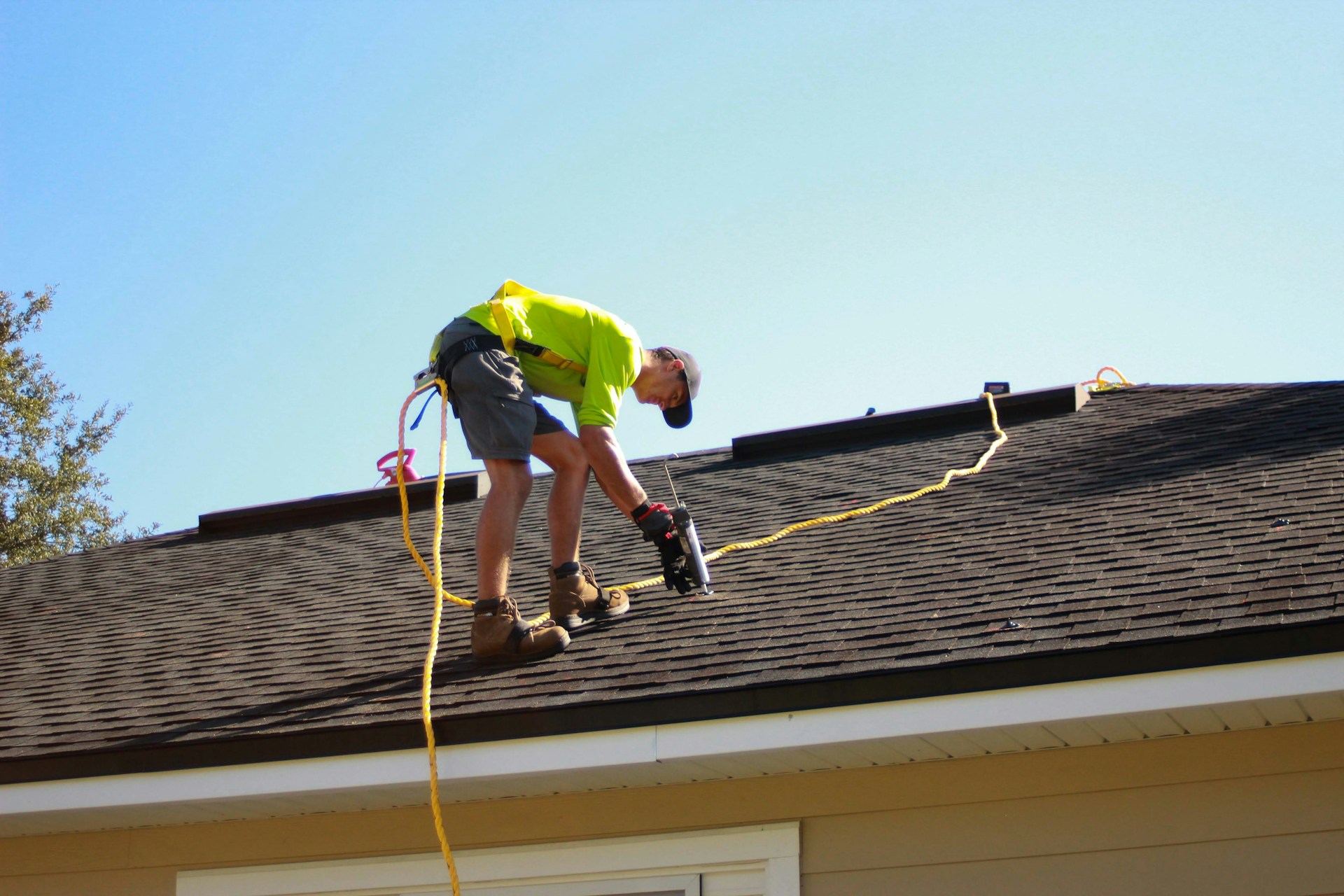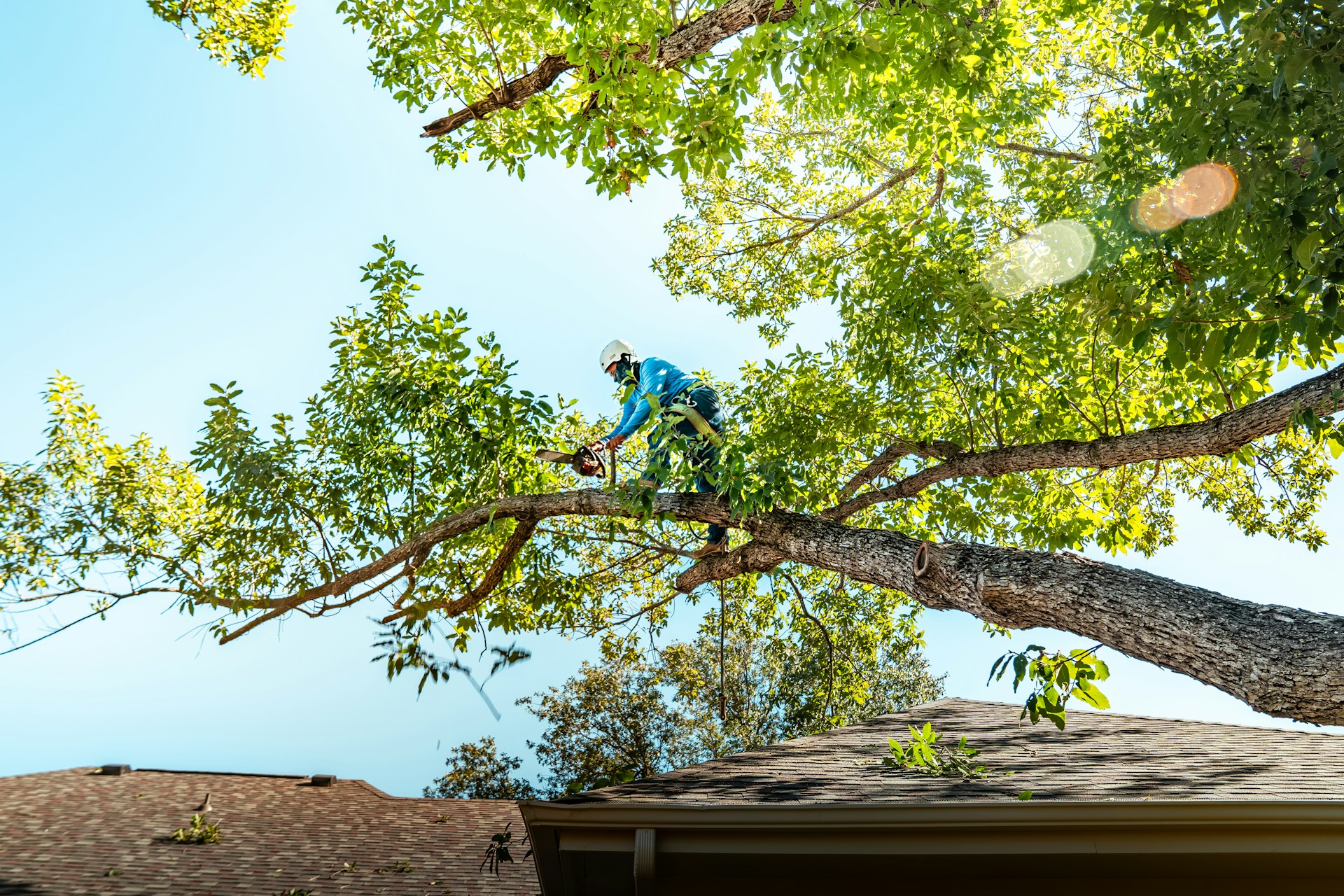
Knowing what to do after a hurricane can protect your family, prevent additional property damage, and make your insurance claim easier to manage. Start by following local safety instructions, then document the condition of your home before cleaning or making repairs.
Do not rush back simply because the storm has passed. Floodwater, unstable structures, electrical hazards, gas leaks, and downed power lines can remain dangerous long after the wind stops.
What Should You Do Immediately After a Hurricane?
After a hurricane, wait for local officials to confirm that it is safe before returning home. Check everyone for injuries, avoid floodwater and damaged electrical systems, and leave the property immediately if you smell gas or notice serious structural damage.
Ready.gov advises residents not to return to an evacuated area until authorities say it is safe. Continue monitoring local alerts because flooding, road closures, and utility hazards may change quickly after the storm.
Follow this immediate hurricane damage checklist:
- Confirm that local authorities have cleared your neighborhood for return.
- Wear sturdy shoes, gloves, long pants, and protective eyewear.
- Stay away from downed power lines and report them to the utility company.
- Do not walk or drive through floodwater.
- Use a flashlight instead of candles if the power is out.
- Avoid entering rooms with sagging ceilings or major structural damage.
- Photograph visible damage before moving or cleaning anything.
- Contact emergency services if anyone is injured or in immediate danger.
If your home appears unsafe, stay elsewhere until a qualified professional can inspect it. Your safety is more important than retrieving belongings or beginning cleanup.
How Should You Document Hurricane Damage?
Document hurricane damage with wide-angle photos, close-up images, and video before you remove debris or make repairs. Record damage to the structure, personal belongings, appliances, vehicles, fences, and detached buildings from several angles.
Create a written storm damage inventory that includes each damaged item, its approximate age, brand, model, and estimated purchase price when known. Serial numbers, receipts, previous home inventory records, and pre-storm photos may also help establish ownership and condition.
Your documentation should include:
- Roof, siding, window, and door damage
- Standing water and visible water lines
- Damaged furniture, electronics, and appliances
- Spoiled food or medication, if potentially covered
- Damage to garages, sheds, fences, or other structures
- Temporary repair costs and contractor estimates
- Additional living expenses, such as lodging and meals
Do not discard damaged property until your insurer or adjuster tells you it is acceptable, unless an item creates a health or safety hazard. If you must remove it, photograph it first and keep a written record of what was discarded. The National Flood Insurance Program also recommends recording make, model, and serial-number information for damaged appliances and electronics.
Does Homeowners Insurance Cover Hurricane Damage?
Homeowners insurance may cover hurricane damage caused by wind, rain entering through a storm-damaged opening, fallen trees, and certain additional living expenses. Coverage depends on the policy language, cause of damage, exclusions, limits, and applicable deductible.
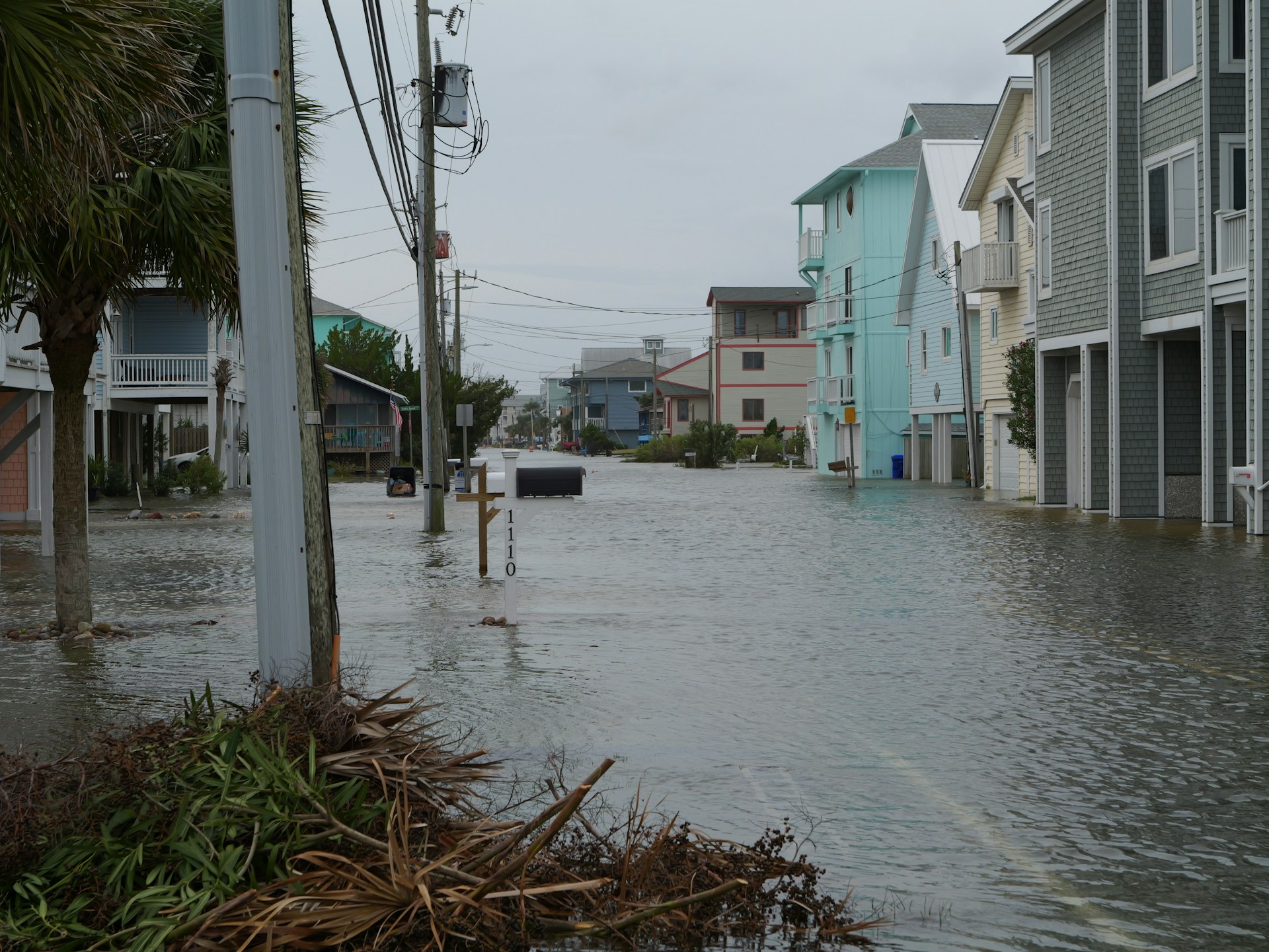
Standard homeowners policies generally do not cover flooding caused by storm surge, overflowing waterways, or surface water. Flood losses typically require a separate flood insurance policy, while some coastal homeowners may also have separate windstorm coverage. The National Association of Insurance Commissioners advises consumers to review separate flood and earthquake coverage because most standard home policies exclude those causes of loss.
A hurricane can cause damage from more than one source. For example, roof damage from high winds may fall under a homeowners or wind policy, while storm-surge damage may need to be filed under flood insurance.
Named-storm or hurricane deductibles can also differ from a policy’s regular deductible. These deductibles are often based on a percentage of the home’s insured value rather than one fixed amount, and the rules vary by state and policy. Review your declarations page or ask your insurer which deductible applies.
How Do You File a Hurricane Insurance Claim?
File a hurricane insurance claim as soon as it is safe and practical to do so. Give the insurer the date of loss, a description of the damage, your contact information, and details about any urgent repairs or temporary housing needs.
Ask the insurer for:
- Your claim number
- The adjuster’s name and contact information
- Instructions for submitting photos and inventories
- A list of required forms and deadlines
- Guidance before hiring contractors or discarding property
- Information about possible advance payments
- An explanation of the deductible that may apply
Keep a claim log with the date, time, and summary of every phone call, email, inspection, and document submission. Store digital copies of estimates, receipts, photographs, and letters in a secure folder.
If wind and flood both contributed to the loss, notify every insurer that may provide coverage. You may need separate homeowners, windstorm, and flood claims.
Federal disaster assistance is not a substitute for insurance, but it may help with eligible uninsured or underinsured expenses after a presidential disaster declaration. FEMA advises insured residents to file their insurance claims and keep documentation of damage and repair expenses.
Common Mistakes to Avoid During Hurricane Recovery
Small recordkeeping and repair mistakes can create delays or disagreements during a hurricane insurance claim. Clear documentation and regular communication with the insurer give you a stronger record of the loss.
Avoid these common problems:
- Returning before authorities declare the area safe
- Throwing away damaged items without photographs
- Waiting too long to notify the insurer
- Assuming homeowners insurance includes flood damage
- Making undocumented permanent repairs
- Losing hotel, meal, supply, or contractor receipts
- Accepting an estimate without reviewing its scope
- Hiring an unverified contractor after a disaster
- Missing policy, proof-of-loss, or appeal deadlines
Read all letters from the insurer and compare the adjuster’s estimate with the damage you documented. If something appears missing, ask for a written explanation and submit additional photos or estimates.
What Repairs Can You Make Before the Adjuster Arrives?
You can make reasonable temporary repairs needed to prevent additional damage, such as covering a broken window or placing a tarp over a damaged roof. Photograph the affected area before and after the repair, and save every receipt.
Avoid permanent repairs until the insurer has inspected the damage or confirmed that you may proceed. Do not put yourself at risk by climbing onto a wet roof, entering a weakened structure, or handling contaminated materials without proper protection.
Be cautious of contractors who demand full payment upfront, pressure you to sign immediately, or offer to handle your entire claim without explaining the agreement. Check licensing and insurance requirements with your state or local authorities, obtain written estimates, and read any assignment-of-benefits document carefully.
Start Your Quote Today
Our licensed specialist will search for the best insurance quotes and will email you when ready.