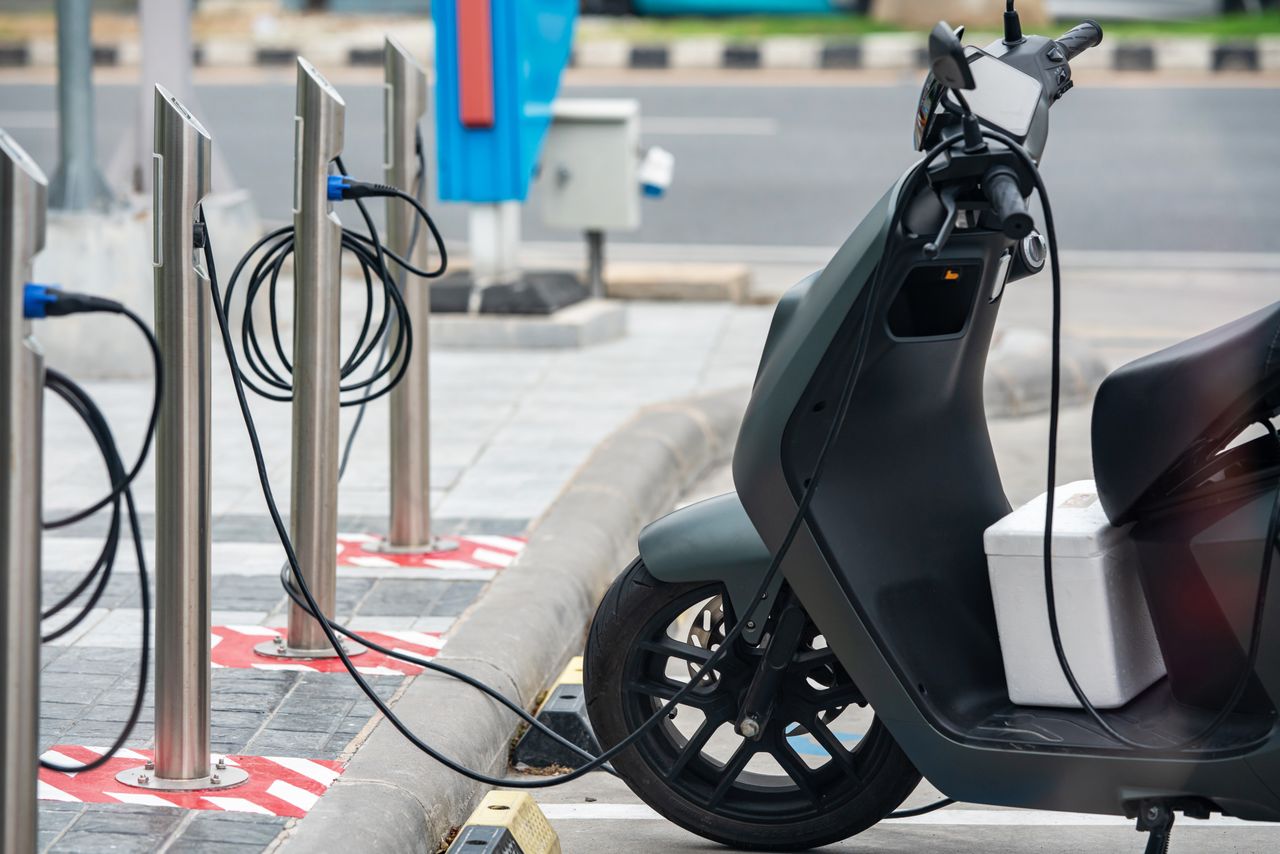
E-bike insurance is designed to protect your electric bicycle against risks such as theft, accidental damage, crashes, and liability claims. Depending on the policy, it may also cover your battery, accessories, medical expenses, roadside assistance, and the cost of replacing the bike after a covered loss.
What Does E-Bike Insurance Cover?
Most e-bike insurance policies combine protection for the bike itself with liability coverage. Exactly what is included will depend on the insurer, your coverage limits, deductible, e-bike class, and how you use the bike.
Theft is one of the biggest concerns for e-bike owners, so it is commonly included in dedicated policies. Coverage may apply if your bike is stolen from your home, workplace, a vehicle rack, or another public location.
There may be conditions attached, though. For example, an insurer could require you to use an approved lock, secure the bike to a fixed object, file a police report after a theft, and provide proof that you own the bike.
Accidental damage coverage can also help if your e-bike is damaged in a crash, fall, transport accident, or another covered event. This is where it becomes important to understand how the insurer values your bike.
Some policies pay based on replacement cost, while others account for depreciation. That difference can significantly affect how much you receive after a claim.
Liability coverage protects you in a different way. If you accidentally injure someone or damage another person's property while riding, your policy may help cover those costs. Legal defense expenses may also be included, depending on the policy.
Some insurers offer additional benefits such as medical payments, roadside assistance, trip interruption coverage, worldwide protection, riding apparel coverage, spare parts, and accessories.
These extras can be useful, but they are not standard across every policy. It is worth checking what you are actually paying for rather than assuming every e-bike policy provides the same protection.
Does Homeowners or Renters Insurance Cover an E-Bike?
Homeowners or renters insurance may provide some protection for an e-bike, especially if it is stolen. However, whether the bike qualifies for coverage can depend on factors such as its motor power, assisted speed, throttle capability, value, and how the policy defines motorized vehicles.
Even when an e-bike is covered, there may still be limitations.
For example, your home insurance policy may have a bicycle sublimit or a deductible that reduces how much you can recover. It may also pay based on actual cash value, meaning depreciation is deducted from the amount you receive.
That can become a problem if you own a higher-value e-bike. A policy may technically cover the loss but still leave you paying a significant portion of the replacement cost yourself.
Homeowners and renters insurance may also exclude certain types of crash damage, commercial use, high-powered models, or liability involving motorized vehicles.
There is another consideration as well: an e-bike claim made under your homeowners policy becomes part of that policy's claims history.
A dedicated e-bike policy keeps the bicycle under its own coverage limit and deductible. It may also provide broader protection for theft, crashes, accessories, and e-bike-specific liability.
That does not automatically make dedicated coverage better. It simply means riders should compare what their existing insurance already provides before buying another policy.
Is E-Bike Insurance the Same as Auto or Motorcycle Insurance?
No. E-bike insurance is generally separate from standard auto and motorcycle insurance.
Many electric bikes are legally classified as bicycles rather than motor vehicles. However, the rules can change depending on where you live and how powerful or fast the bike is.
Standard auto insurance normally does not cover physical damage to an e-bike just because it has an electric motor.
Motorcycle insurance may become relevant if the vehicle exceeds the legal definition of an e-bike and is instead classified as a moped, motor-driven cycle, or motorcycle.
That is why it is important to know your bike's specifications before shopping for coverage.
Check its motor wattage, maximum assisted speed, throttle capability, and local classification. If the bike has been modified to increase its power or speed, it may no longer qualify under an insurer's standard e-bike policy.
Do Class 1, Class 2, and Class 3 E-Bikes Need Different Coverage?
The class of your e-bike can affect whether an insurer will cover it and, in some cases, how much your policy costs.
A Class 1 e-bike provides pedal assistance while you ride and generally stops providing motor assistance at 20 mph.
A Class 2 e-bike can use a throttle and generally stops providing motor assistance at 20 mph.
A Class 3 e-bike provides pedal assistance at speeds of up to 28 mph and may be subject to additional riding restrictions depending on local law.
E-bike insurance is not universally required, and coverage rules are not identical everywhere. State regulations, local e-bike classifications, and insurer requirements can all affect your options.
Some insurers accept Class 1, Class 2, and Class 3 bikes. Others may place restrictions on throttle-powered bikes, faster models, modified motors, or e-bikes used for delivery work.
When requesting a quote, give the insurer your bike's exact make and model along with its serial number, motor rating, assisted top speed, and intended use.
Do not rely only on the manufacturer's description of the bike. The insurer's eligibility rules are what ultimately determine whether the policy applies.
What Does E-Bike Insurance Usually Exclude?
E-bike insurance can provide broad protection, but it is not designed to cover every problem that could happen to your bike.
Common exclusions may include normal wear and tear, routine mechanical breakdowns, gradual battery degradation, manufacturer defects, corrosion, cosmetic damage, racing, intentional damage, and certain types of commercial use.
Theft claims can also come with specific requirements.
For example, a policy may not cover a theft if the bike was left unlocked or if it was secured using a lock that did not meet the insurer's requirements. Some policies also require the bike to be attached to a fixed object when it is left unattended.
If you need to make a theft claim, the insurer may ask for your purchase receipt, serial number, photographs, police report, and evidence showing how the bike was secured.
Battery coverage deserves a closer look too.
Damage to a battery caused by a covered crash or theft may be included. Gradual loss of battery capacity, faulty charging equipment, or damage caused by unauthorized modifications may not be.
This is why reading the actual policy wording matters. Marketing pages can give you a useful overview, but the policy's definitions, conditions, limits, and exclusions determine what happens when you file a claim.
How Much Does E-Bike Insurance Cost?
E-bike insurance cost depends on the value of the bike, location, theft risk, deductible, coverage limits, riding history, liability limit, accessories, and optional benefits.
A high-value cargo bike used daily in a theft-prone area will usually cost more to insure than a lower-value recreational bike stored securely. Choosing a lower deductible or adding worldwide coverage can also raise the premium.
Price should not be the only comparison point. A cheaper policy may use depreciated value, exclude important accessories, require a specific lock, or provide limited liability protection.
Compare quotes using the same bike value, deductible, replacement basis, and liability limit. This reveals whether a lower premium reflects a genuine saving or weaker protection.
Who Should Consider Dedicated E-Bike Insurance?
Dedicated coverage is most useful for riders who would struggle to replace their e-bike after a theft or serious crash.
It is also worth considering for commuters, cargo-bike owners, apartment residents, households with multiple riders, owners of expensive batteries or accessories, and people who frequently transport their bikes.
A dedicated policy may make sense when a home-policy deductible approaches the bike’s value, motorized bicycles are excluded, or the owner wants a separate bicycle claim.
Delivery riders should disclose commercial use. Personal e-bike policies often exclude work-related riding, so a different form of coverage may be required.
How Do You Choose the Right E-Bike Insurance Policy?
Start by confirming that the insurer accepts your e-bike class and specifications. Then compare theft, accidental damage, liability, medical payments, accessories, roadside assistance, and transit coverage.
Ask whether claims are paid at replacement cost or actual cash value. Check the deductible, geographic limits, approved-lock rules, documentation requirements, and whether another household member can ride the bike.
Confirm how the policy treats batteries, chargers, custom parts, used bikes, modified bikes, and commercial activity. Ask whether coverage continues while the bike is on a vehicle rack, inside a car, or traveling internationally.
Choose coverage based on the losses you could not comfortably absorb. The right policy should protect the bike’s replacement value, match how you ride, and state its restrictions clearly.
What Should You Do Next?
Before requesting quotes, take a few minutes to document your e-bike properly.
Record the serial number, save your receipt, photograph the bike and its accessories, and keep a record of the lock you use.
Next, review your homeowners or renters insurance. Look specifically for bicycle coverage limits, deductibles, and exclusions related to motorized vehicles.
Once you know what protection you already have, request quotes from dedicated e-bike insurers using comparable coverage limits and deductibles.
Finally, read the exclusions before purchasing a policy and confirm that your specific bike qualifies for coverage.
E-bike insurance can be valuable, but only when the policy fits the bike, the rider, and the way the bike is actually used. Taking the time to understand those details now can make the claims process much easier if something happens later.
Start Your Quote Today
Our licensed specialist will search for the best insurance quotes and will email you when ready.