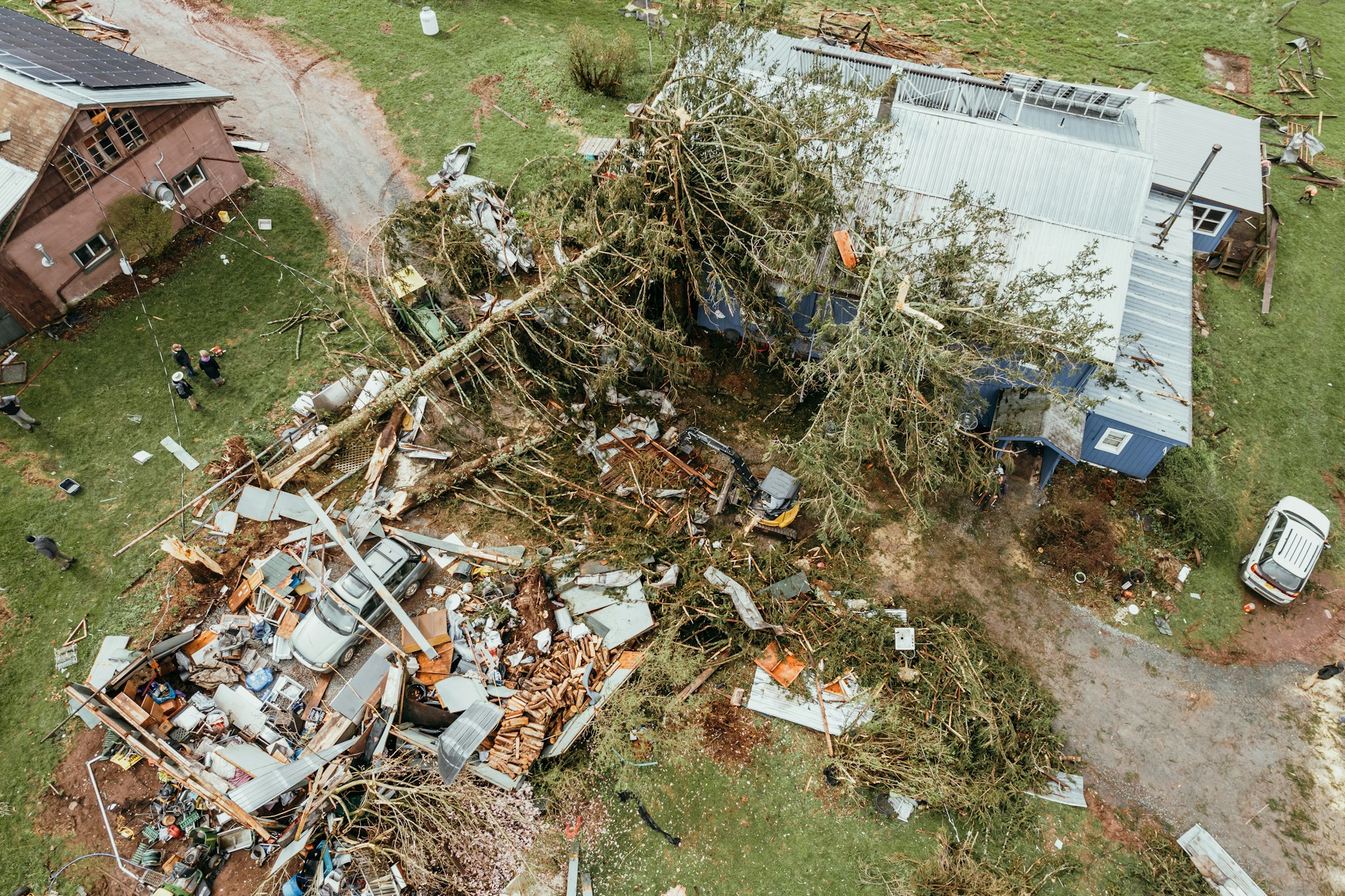
Negligence does not automatically cancel insurance coverage or mean your claim will be denied. In insurance, negligence generally means failing to take the level of care a reasonable person would use in a similar situation.
Whether a loss is covered depends on what happened, what caused the damage, which part of the policy applies, and the laws in your state. Liability coverage may protect you if accidental negligence injures someone or damages their property. Damage to your own home, however, may be limited when it results from poor maintenance, long term leaks, deterioration, intentional acts, or failure to prevent additional damage.
What does negligence mean in insurance?
Negligence usually involves four basic elements: a duty of care, a failure to meet that duty, a connection between that failure and the harm, and actual damage.
For example, imagine you know a stair is broken but leave it unrepaired. If a visitor falls because of that stair and gets hurt, you could potentially be considered negligent.
Not every accident is negligence, though. Sometimes damage happens even when someone acted reasonably. Insurers typically look at what you knew, what you reasonably should have known, and whether you could have taken practical steps to prevent the loss.
Does negligence automatically cause an insurance claim to be denied?
No. In fact, negligence is one of the reasons liability insurance exists.
Personal liability coverage may help pay legal defense costs and damages if you are found responsible for accidentally injuring someone or damaging their property.
For example, if a guest slips on an icy walkway that you failed to treat, your liability coverage may respond, depending on the policy terms, limits, and exclusions.
Claims involving damage to your own property can be more complicated. The insurer will look closely at what caused the damage and whether any exclusions apply.
How are liability claims and property claims different?
Liability coverage protects you when someone else claims you caused their injury or property damage. Property coverage protects your own home and belongings.
That difference matters because a policy may cover accidental negligence that harms someone else while excluding deterioration or maintenance problems affecting your own property.
Take a leaking pipe. If it suddenly bursts and damages your home, the resulting water damage may be covered if the loss was sudden and accidental. If the pipe leaked slowly for months and caused mold or rot, exclusions for repeated seepage, deterioration, or poor maintenance may apply.
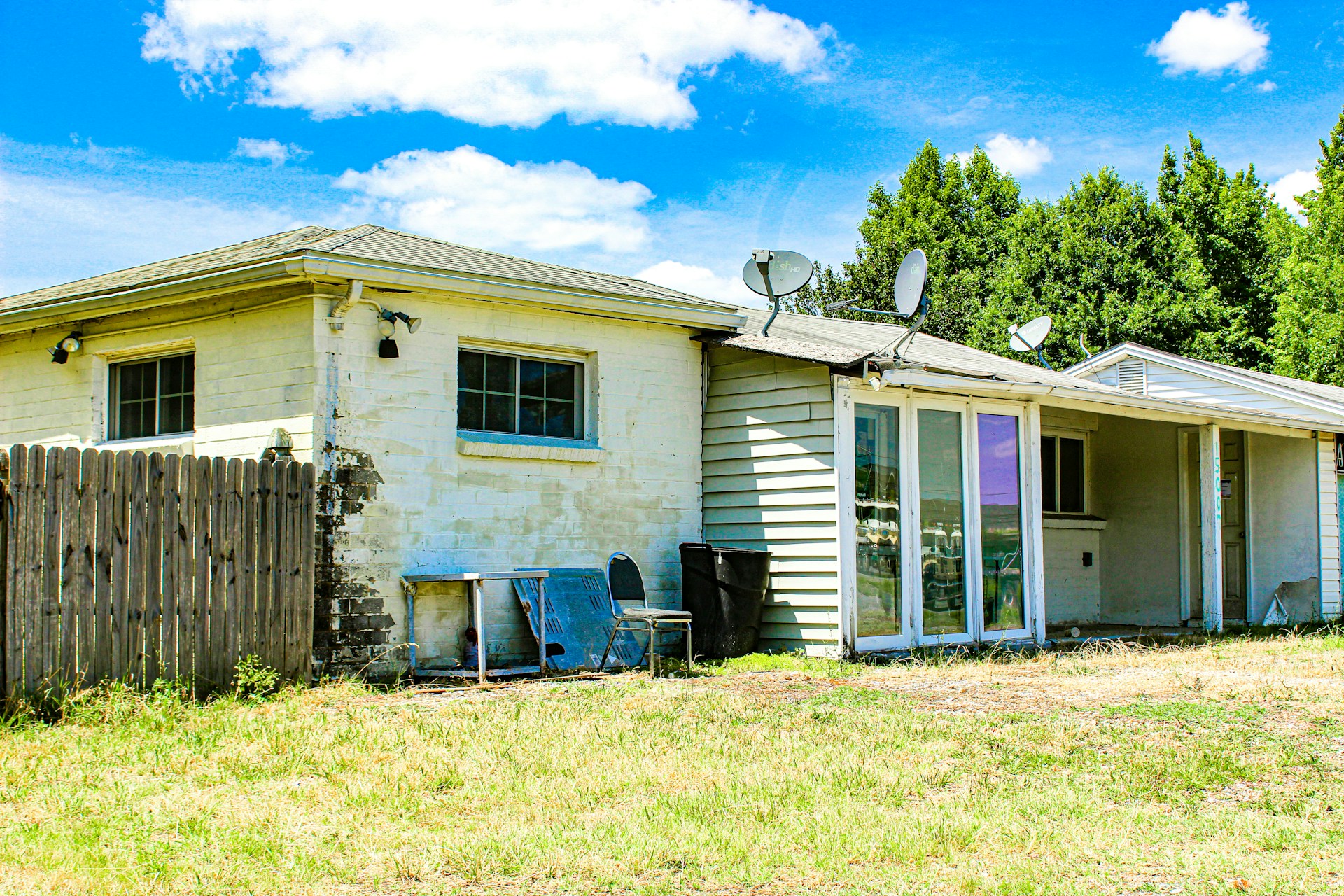
What is the difference between negligence, neglect, and poor maintenance?
These terms are related, but they do not mean exactly the same thing.
Negligence is a legal concept involving unreasonable conduct that causes harm.
Poor maintenance usually refers to failing to complete repairs, inspections, or routine upkeep.
Neglect can have a specific meaning in an insurance policy. Some homeowners policies use the term to describe a failure to take reasonable steps to protect property during or after a loss.
For example, if a storm damages your roof and leaves an opening, you may be expected to arrange temporary protection when it is safe to do so. If the opening is left exposed for weeks, the insurer may cover the original storm damage but question additional damage that could have been prevented.
What types of negligence may be covered?
Homeowners liability insurance may cover ordinary accidental negligence that causes bodily injury or property damage to someone else.
Examples can include:
- A visitor falling on an unsafe walkway
- Water from your home damaging a neighbor's property
- A falling object damaging a parked vehicle
- A child accidentally damaging someone else's property
- A pet injuring another person, subject to policy restrictions
Coverage still depends on the policy. Business activities, motor vehicles, intentional injuries, certain animals, and other risks may be excluded or require separate insurance.
Medical payments coverage may also help with limited medical expenses for an injured guest, even before legal responsibility is fully determined.
When can negligence lead to a denied or limited claim?
A claim may be denied or limited when the loss falls under a specific exclusion or when the policyholder does not meet policy requirements.
Common issues include wear and tear, corrosion, rot, long term water leakage, faulty maintenance, intentional damage, delayed reporting, failure to prevent further damage, misrepresentation, or failure to cooperate with the claim investigation.
The important point is that an insurer should identify the policy language supporting its decision. A general statement that you were careless is not the same as explaining which exclusion or condition applies.
If a claim is denied, request the reason in writing and ask which policy provision the insurer relied on.
Is gross negligence covered by insurance?
Gross negligence generally describes conduct that is much more serious than ordinary carelessness, but the label alone does not determine coverage.
Some conduct described as grossly negligent may still be considered accidental. In other situations, the insurer may argue that the conduct was so reckless that the resulting harm was expected, intended, or otherwise excluded.
Coverage depends on the facts, policy wording, and applicable state law.
What evidence will the insurance company examine?
Insurers usually investigate how the loss happened, when it began, whether it could have been prevented, and what steps you took afterward.
Evidence may include photographs, repair invoices, inspection reports, maintenance records, contractor findings, weather information, prior complaints, and communications related to the loss.
Document the damage as soon as possible. Take reasonable steps to prevent additional loss, keep receipts, and avoid discarding damaged materials before the insurer has had a chance to inspect them when practical.
A simple timeline showing when you discovered the issue and what you did next can also be helpful.
What should I do if my insurer says I was negligent?
Start by asking for the decision in writing. Find out whether the issue involves negligence, poor maintenance, wear and tear, repeated damage, post loss neglect, or another exclusion.
Compare the insurer's explanation with your policy and provide any records showing that you maintained the property, reported the claim promptly, and took reasonable steps to prevent further damage.
If you disagree with the decision, you may be able to request a supervisor review, use the insurer's appeal process, contact your state insurance department, or speak with a qualified insurance professional or attorney.
Start Your Quote Today
Our licensed specialist will search for the best insurance quotes and will email you when ready.