A trampoline, treehouse, or backyard slide may seem like harmless family fun. However, these features can create safety concerns, legal responsibility, and unexpected homeowners insurance problems, especially when they attract children who may not understand the danger.
Insurance companies may view certain items as higher-risk property features. Depending on the carrier and policy, an attractive nuisance could raise your premium, require additional safety measures, lead to a coverage exclusion, or make the insurer unwilling to issue or renew coverage. Understanding the risk before installing one can help you protect visitors, your finances, and your home insurance.
What Does “Attractive Nuisance” Mean?
An attractive nuisance is a dangerous condition or object on a property that may appeal to children. Young children may enter the property to use or explore it without recognizing the possibility of serious injury.
The term comes from an area of liability law known as the attractive nuisance doctrine. Under certain circumstances, a property owner may be responsible when a child is injured by a hazardous, human-made condition, even if the child entered the property without permission.
This does not mean homeowners automatically face liability whenever a trespassing child gets hurt. State laws differ, and courts consider details such as whether the owner knew children might enter, whether the condition presented a serious risk, and whether reasonable precautions could have reduced that risk.
Common Examples of Attractive Nuisances
An attractive nuisance does not need to look dangerous. In fact, many examples are items designed for recreation.
Common examples may include:
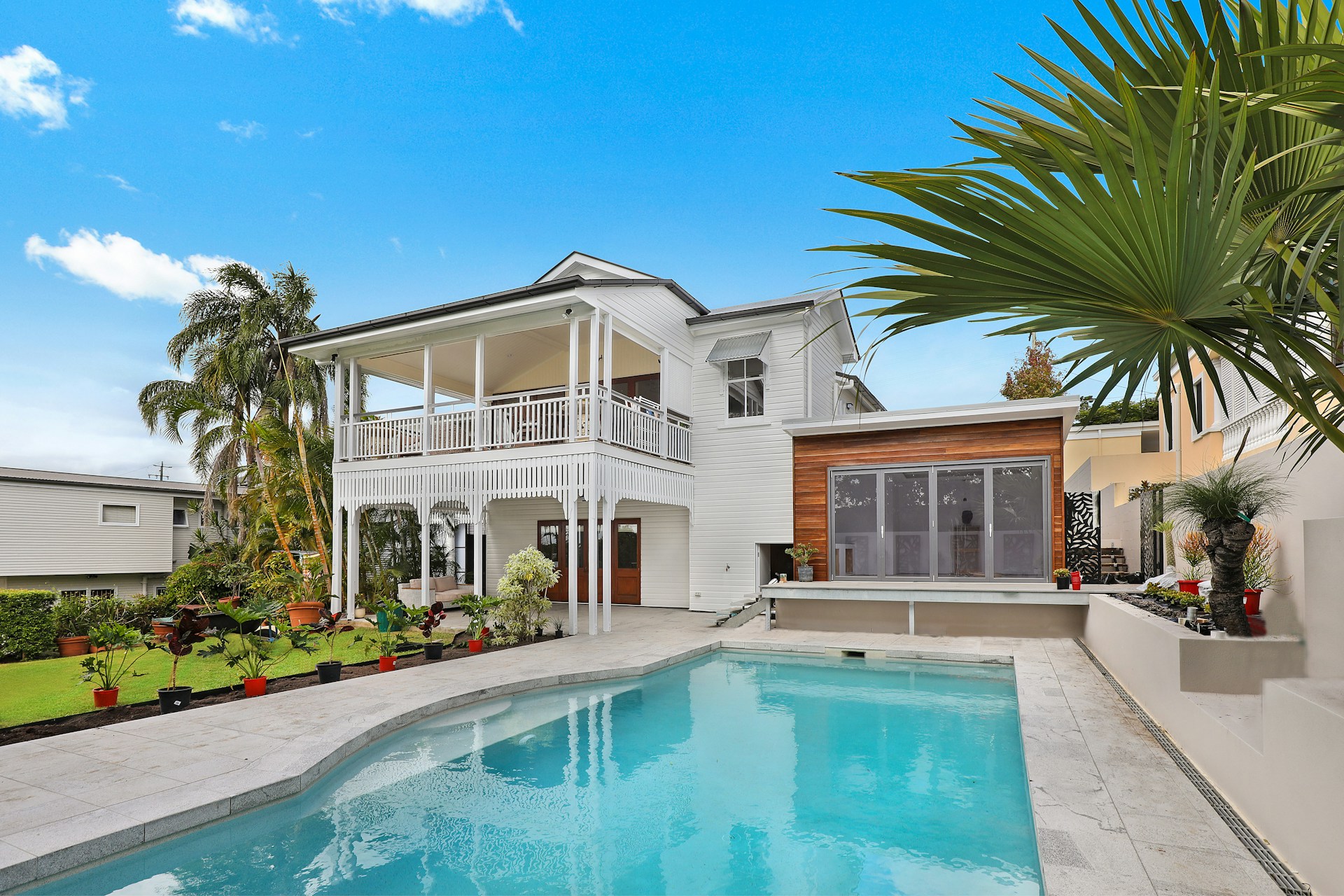
- Swimming pools and hot tubs
- Trampolines
- Treehouses
- Diving boards and pool slides
- Freestanding playground slides
- Swing sets and climbing structures
- Bike, skateboard, or scooter ramps
- Construction equipment or abandoned machinery
- Unsecured wells, fountains, or water features
Whether an item legally qualifies as an attractive nuisance depends on the facts and the law in your state. From an insurance perspective, however, carriers may still treat these features as added liability risks during underwriting.
Underwriting is the process an insurance company uses to evaluate a property and decide whether to insure it, what conditions to require, and how much to charge.
How Attractive Nuisances Affect Homeowners Insurance
A standard homeowners policy commonly includes personal liability coverage. This coverage may help pay legal defense costs, settlements, or judgments when the homeowner is legally responsible for another person’s injury. Policies may also include medical payments coverage for smaller medical expenses involving guests, regardless of fault, subject to the policy’s terms.
Coverage is not automatic for every backyard feature or accident. An insurer may respond to an attractive nuisance in several ways.

Your premium may increase
Features such as pools and trampolines can increase the chance of a serious injury claim. A carrier may charge more because it considers the property a greater liability risk.
The insurer may require safety improvements
Coverage may depend on precautions such as a locked fence, self-latching gate, trampoline enclosure, protective padding, pool alarm, secure ladder, or restricted access. Local building and safety codes may impose separate requirements.
The policy may exclude certain claims
An exclusion is policy language stating that specific losses are not covered. For example, a policy could exclude injuries connected to a trampoline, diving board, or another high-risk feature. If someone gets hurt, the homeowner may have to pay legal and medical costs personally.
A carrier may decline or discontinue coverage
Some insurers will not write a policy for a home with certain attractive nuisances. Others may require removal before issuing or renewing coverage. Rules vary by insurance company, location, property condition, and safety features.
What Homeowners Should Do Before Adding One
The safest time to address insurance concerns is before purchasing or building the feature.
Contact your insurance agent or carrier and ask:
- Is this item allowed under my current policy?
- Will related injuries receive liability coverage?
- Does the policy contain a specific exclusion?
- What fencing, locks, nets, alarms, or inspections are required?
- Will the addition change my premium or eligibility?
- Should I increase my liability limit or consider umbrella insurance?
An umbrella policy provides additional liability protection after the underlying limit on a homeowners or auto policy has been used. However, an umbrella policy usually does not fix an exclusion in the underlying policy. Confirm that the attractive nuisance is eligible before relying on extra coverage.
Do not assume the insurer will never find out. Carriers may learn about property changes through inspections, renewal questionnaires, claims, photographs, or other underwriting information. Failing to disclose a material risk could contribute to a denied claim, cancellation, or nonrenewal, depending on the circumstances and state law.
How to Reduce Attractive Nuisance Risks
Insurance is only one part of the solution. Homeowners should also take practical steps to prevent unauthorized access and injuries.
Use barriers that fully restrict entry, keep gates locked, remove ladders when appropriate, supervise children, maintain equipment, repair broken parts, and follow manufacturer guidelines. Post warning signs when useful, but do not rely on a sign alone when a young child may be unable to read or understand it.
Treehouses, ramps, diving boards, and slides should be structurally sound and appropriate for the surrounding space. Keep landing areas clear, use impact-absorbing materials where recommended, and remove equipment that has become unstable or unsafe.
Document your precautions with receipts, inspection records, maintenance notes, and photographs. These records may help demonstrate responsible ownership, although they do not guarantee coverage or prevent liability.
Protect Your Home Before a Backyard Accident Happens
An attractive nuisance can turn an enjoyable property feature into a serious financial exposure. Treehouses, trampolines, diving boards, slides, and bike ramps may cause an insurance carrier to impose conditions, exclude related claims, raise costs, or decline coverage altogether.
Before adding a high-risk feature, review your homeowners policy and speak with a licensed insurance professional. A brief coverage check now can help you make safer decisions and avoid learning about a costly exclusion after an accident.
Start Your Quote Today
Our licensed specialist will search for the best insurance quotes and will email you when ready.