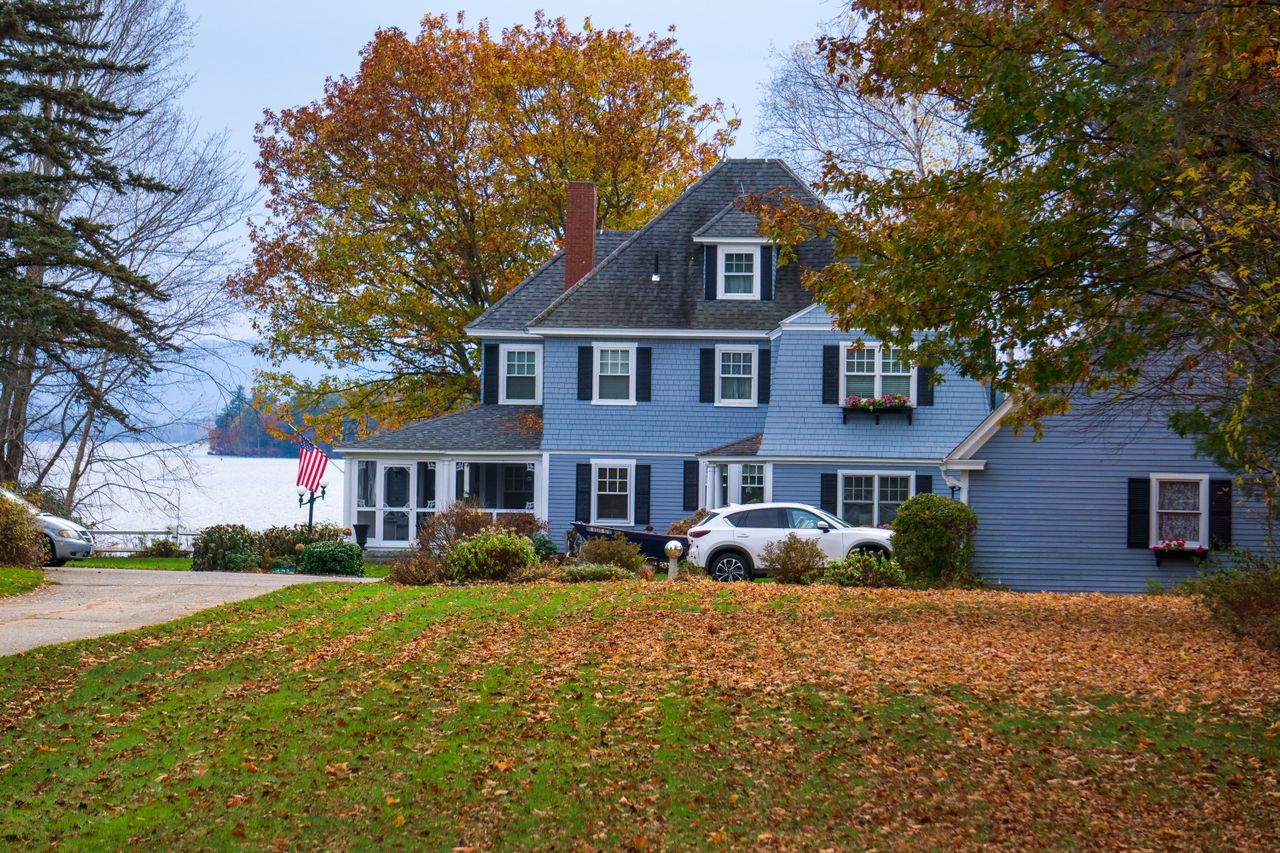
Vacant home insurance is designed to protect a property that will be empty for an extended period. This matters because a standard homeowners policy may reduce or exclude certain types of coverage once a home has been vacant for a set amount of time, often around 30 to 60 consecutive days.
If you know a property will be sitting empty, it is a good idea to contact your insurer before that happens. Confirm how the policy defines vacancy, how long your existing coverage remains in effect, and whether you need a separate vacant home policy or endorsement.
What Is Vacant Home Insurance?
Vacant home insurance is specialized property coverage for a house that no longer has regular occupants.
Depending on the insurance company, coverage may be provided through a standalone vacant home policy, a vacancy permit, or an endorsement added to an existing policy.
The reason this type of insurance exists is simple: an empty home can be harder to protect.
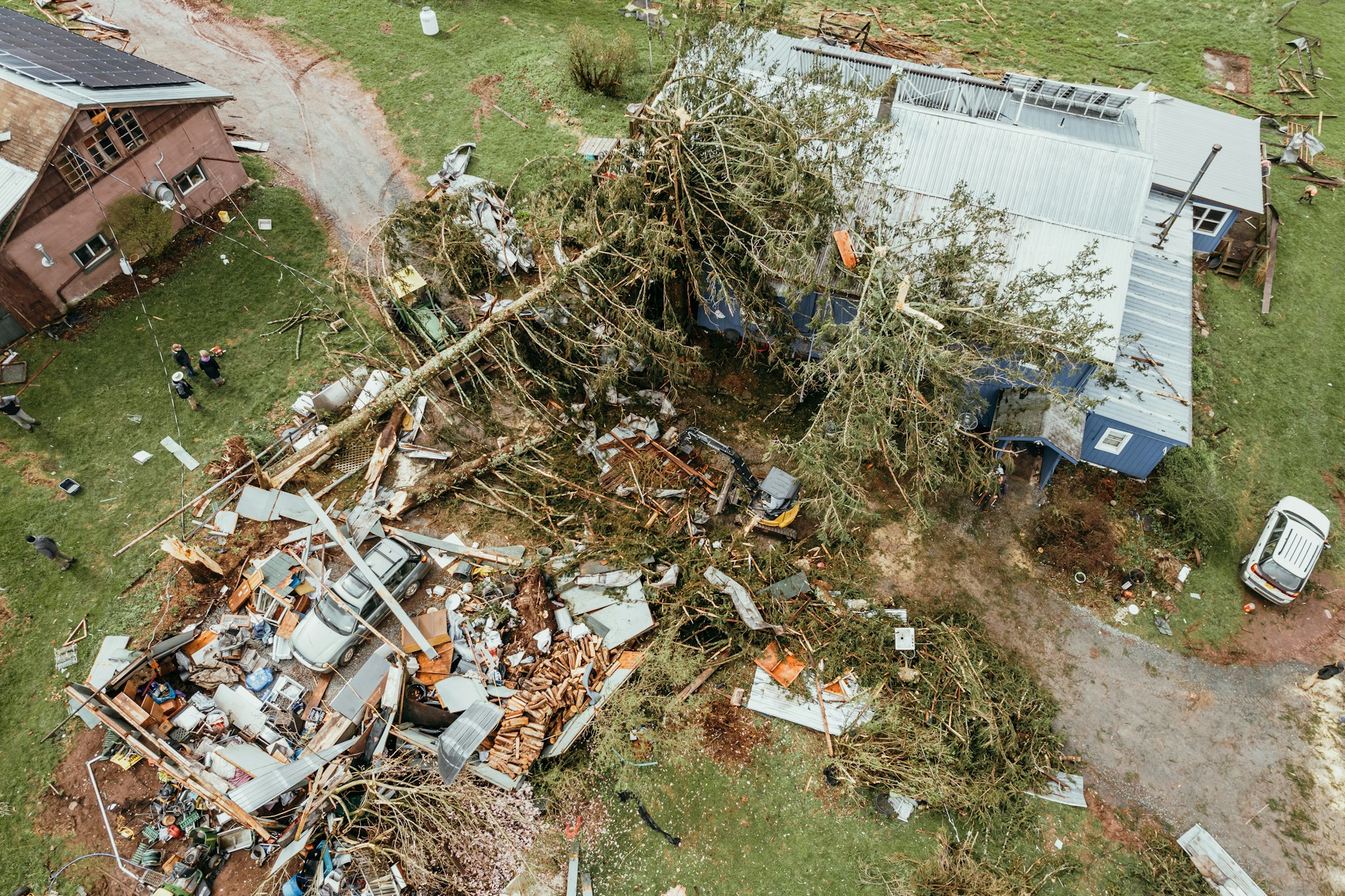
If a pipe starts leaking, nobody may notice it for several days. A broken window can remain unsecured. A small fire or act of vandalism can become much more serious when there is no one around to respond quickly.
Vacant home insurance is commonly used when a property is waiting to be sold, going through probate, undergoing certain renovations, sitting between tenants, or left empty after the owner has moved elsewhere.
When Is a House Considered Vacant?
A home is generally considered vacant when nobody is living there and it does not contain enough furniture or utilities for normal day to day living.
That is different from an unoccupied home. A furnished house may be considered unoccupied rather than vacant if the residents are temporarily away but still intend to return.
This distinction is important because insurance companies do not always define vacancy the same way.
An insurer may look at how much furniture remains in the property, whether utilities are still connected, how long the home has been empty, and whether anyone is regularly staying there.
Occasional visits do not necessarily prevent a home from being classified as vacant. Picking up the mail, mowing the lawn, or leaving a few pieces of furniture inside may not be enough to change how the insurer views the property.
If you are unsure, ask your insurance company how it classifies the home and request the answer in writing.
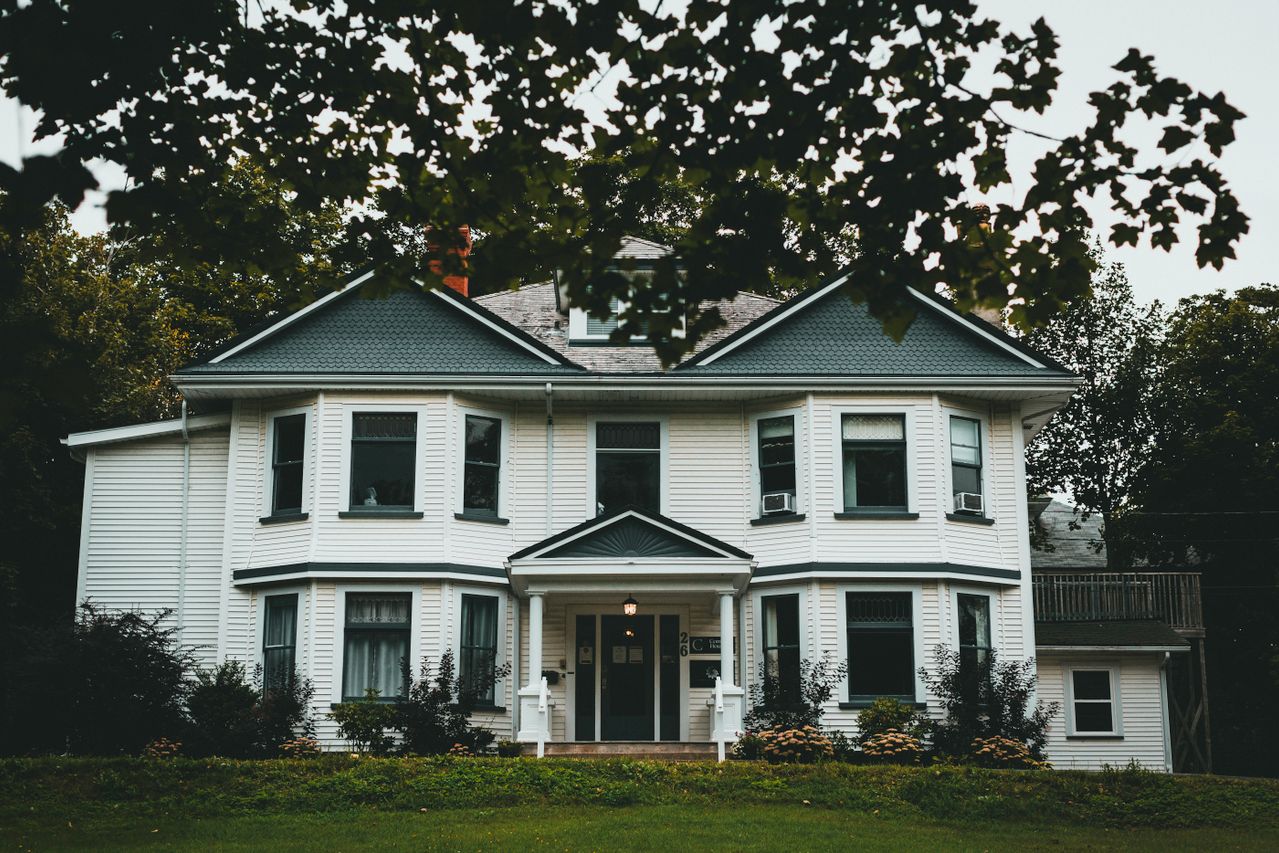
What Is the 30- or 60-Day Vacancy Rule?
The 30 or 60 day vacancy rule refers to a provision in some insurance policies that limits certain types of coverage after a home has remained vacant for a specified number of consecutive days. There is no single rule that applies to every policy. One insurer may use 30 days, while another may allow 60 days or use a different period entirely.
Reaching that vacancy period does not always mean the entire homeowners policy is canceled. Instead, certain losses may become limited or excluded. These can include vandalism, theft, broken glass, or water damage. Other types of damage may still be covered.
This is why it is important to read your own policy rather than relying on a general rule you find online. Check when the vacancy period begins, which types of losses are affected, and whether an endorsement or separate vacant home policy can keep the property protected. Ideally, make those changes before the vacancy period expires.
Why Are Empty Properties More Risky?
Empty homes carry more risk because problems can go unnoticed for longer.
Water damage is a good example. A leaking pipe, failed appliance connection, or frozen plumbing line can cause significant damage before anyone discovers the problem.
Depending on the policy, the owner may also be required to maintain heat, shut off the water supply, or take other precautions while the home is empty.
Security is another concern. A house with no regular activity may attract burglars, vandals, squatters, or trespassers. An overflowing mailbox, dark windows, or an unmaintained yard can make it obvious that nobody is living there.
Fire can also become more serious in an empty property because smoke, electrical problems, heating failures, or unauthorized entry may not be noticed immediately.
And even though nobody lives in the house, liability risks do not disappear. A contractor, visitor, child, or trespasser could still be injured on the property and potentially make a claim.
What Does Vacant Home Insurance Cover?
Vacant home insurance can protect the structure against a range of covered losses, but the exact protection depends on the policy.
Common covered events may include fire, lightning, wind, hail, smoke, explosions, and certain types of vandalism.
Additional coverage may be available for theft, malicious mischief, detached structures, personal belongings, liability, and water damage.
Some vacant home policies are written on a named peril basis. This means a loss is covered only if the cause of damage is specifically listed in the policy.
It is also important to check how the insurance company calculates a claim.
A policy that provides replacement cost coverage generally pays based on the cost of repairing or rebuilding the property with comparable materials, subject to the policy terms.
A policy that uses actual cash value accounts for depreciation. As a result, the amount paid after a claim may be lower.
When comparing policies, look beyond the headline coverage amount. Review the deductible, settlement method, property limits, inspection requirements, and any security conditions you will be expected to follow.
What Is Usually Excluded?
Vacant home insurance does not protect against every possible loss.
Common exclusions may include flooding, earthquakes, normal deterioration, mold, pest damage, intentional acts, neglect, and maintenance related problems. If the property is at risk of flooding, separate flood insurance may be needed.
Water damage deserves particular attention because policies often include specific conditions.
For example, an insurer may require the water supply to be shut off or the home to remain heated during cold weather. If those requirements are not followed, a later water damage claim could be affected.
Renovation work can create another coverage gap. If the project involves major structural changes, a standard vacant home policy may not be enough.
Theft, vandalism, liability, and personal belongings may also be included under one policy but optional or excluded under another.
The safest approach is to review the declarations page, endorsements, conditions, and exclusions rather than assuming the policy name tells you everything that is covered.
Who Needs Vacant Home Insurance?
Vacant home insurance may be worth considering whenever a property will be empty long enough to fall outside the normal protection of a homeowners policy.
For example, you may need it if you have already moved out of a house that is still for sale, inherited an empty property, are managing a home through probate, or own a rental that will remain vacant between tenants.
Property investors and homeowners planning renovations should also review their coverage carefully.
A simple vacant dwelling policy may not protect against risks created by major construction work. If walls are being removed, structural changes are underway, or contractors are working extensively on the property, builders risk insurance may be more appropriate.
On the other hand, not every temporarily empty home needs vacant property insurance.
If you are traveling for an extended period but the home remains furnished, maintained, and ready for occupancy, your insurer may classify it as unoccupied rather than vacant. Seasonal homes may also qualify for a different type of policy.
Tell the insurer why the property is empty, how long you expect it to remain that way, whether any renovations are planned, and how often someone will check on it. Those details help determine which type of coverage is appropriate.
How Much Does Vacant Home Insurance Cost?
Vacant home insurance typically costs more than standard homeowners insurance because an empty property has a greater chance of damage going unnoticed or becoming more severe.
There is no single price that applies to every vacant home.
Insurers may consider the property's location, age, condition, replacement value, expected vacancy period, claims history, security systems, heating arrangements, utility status, renovation activity, and proximity to emergency services.
Your deductible and coverage choices will also influence the premium.
When comparing quotes, try to keep the coverage as similar as possible. Use the same dwelling limits, deductible, claim settlement method, and optional coverages so you are comparing like for like.
A lower premium is not always the better deal if the policy removes protection you are likely to need.
It is also worth asking what happens when the property becomes occupied again. Some insurers offer short term policies, prorated cancellation, or a refund for unused coverage.
How Can You Protect an Empty House?
Insurance is only one part of protecting a vacant property. Regular maintenance and inspections can make a major difference.
Start by arranging for someone to check the home on a consistent schedule. Keep a record of those visits and take dated photographs when possible, especially if your insurer requires documented inspections.
From the outside, try to make the house look cared for. Maintain the lawn, remove mail and deliveries, and use timed lighting to create some activity around the property.
Doors, windows, garages, sheds, and other access points should remain locked and secure. Depending on the property, monitored alarms, security cameras, smoke detectors, temperature sensors, and water leak devices can provide additional protection.
Plumbing also needs attention. During cold weather, maintain enough indoor heat to prevent pipes from freezing or follow the insurer's instructions for shutting off and draining the water system.
Remove valuables and unnecessary combustible materials, and address maintenance problems such as loose steps, damaged roofing, broken locks, or faulty exterior lighting before they become larger issues.
Keep records of inspections, repairs, utility settings, security measures, and conversations with the insurance company. Good documentation can be especially helpful if you later need to show that you followed the policy's requirements.
What Should You Do Before the Property Becomes Vacant?
Contact your insurance company or licensed agent as soon as you know the property will be empty. Be ready to explain when the vacancy will begin, how long you expect it to last, why the property is empty, whether furniture will remain, whether utilities will stay connected, and whether renovations or contractor visits are planned.
You should also find out exactly how your existing policy will respond once the home becomes vacant. Ask when the vacancy clause takes effect, which types of losses may become limited, whether an endorsement can extend protection, and what inspection or security requirements you need to follow.
Most importantly, confirm whether your current homeowners policy can remain in place or whether it should be replaced with vacant home insurance. Do not wait until the property has already passed the policy's vacancy limit to start this conversation.
Review your coverage before occupancy changes, document the insurance you choose, and keep checking the property while it remains empty.
Start Your Quote Today
Our licensed specialist will search for the best insurance quotes and will email you when ready.