Top Christmas Decoration Safety Tips to Protect Your Home and Family
Christmas is a time for joy, celebration, and decorating your home with beautiful lights and décor. However, it is essential to prioritize safety during this festive season. Whether you are hanging lights, setting up a Christmas tree, or placing festive ornaments, following the right safety tips can help protect your home and family from potential hazards.
1. Choose the Right Christmas Lights for Safety
One of the first steps in decorating safely is choosing the right lights for your home. Ensure that the lights you use are intended for their specific location—indoor or outdoor. Outdoor lights are built to withstand harsher weather conditions, while indoor lights are not designed for wet environments and could pose a risk of short circuits or electrical fires if used outside.
Additionally, it is crucial to only use lights that are labeled as “UL listed” or approved by safety organizations. LED lights are a safer option as they are cooler to the touch and consume less power than traditional incandescent bulbs. This can significantly reduce the risk of overheating and fire hazards.
2. Inspect Lights and Decorations for Damage
Before you start hanging lights or placing décor, take a moment to inspect everything. Check for frayed wires, broken bulbs, or damaged sockets, especially on older light strands. If you find any signs of wear and tear, it is best to replace the item rather than risk an accident. A damaged light string or decoration can lead to dangerous electrical issues, including short circuits or even fires.
Make sure you also check for any loose or exposed wiring, which can be another source of danger. Proper inspection before use can save you from hazardous situations later on and ensure everything works properly during the season.
3. Do Not Overload Circuits
Overloading circuits is one of the most common causes of electrical fires during the holidays. When setting up your Christmas lights, it is essential to avoid plugging too many strings of lights into one outlet. Each outlet has a maximum capacity, and exceeding that capacity can lead to overheating, sparking, or even an electrical fire.
Always check the manufacturer's guidelines for your lights and decorations to see how many strands can safely be connected end-to-end. If you need more outlets, use a power strip with a built-in circuit breaker or consider setting up multiple circuits for different areas of your home.
4. Keep Decorations Away from Heat and Water
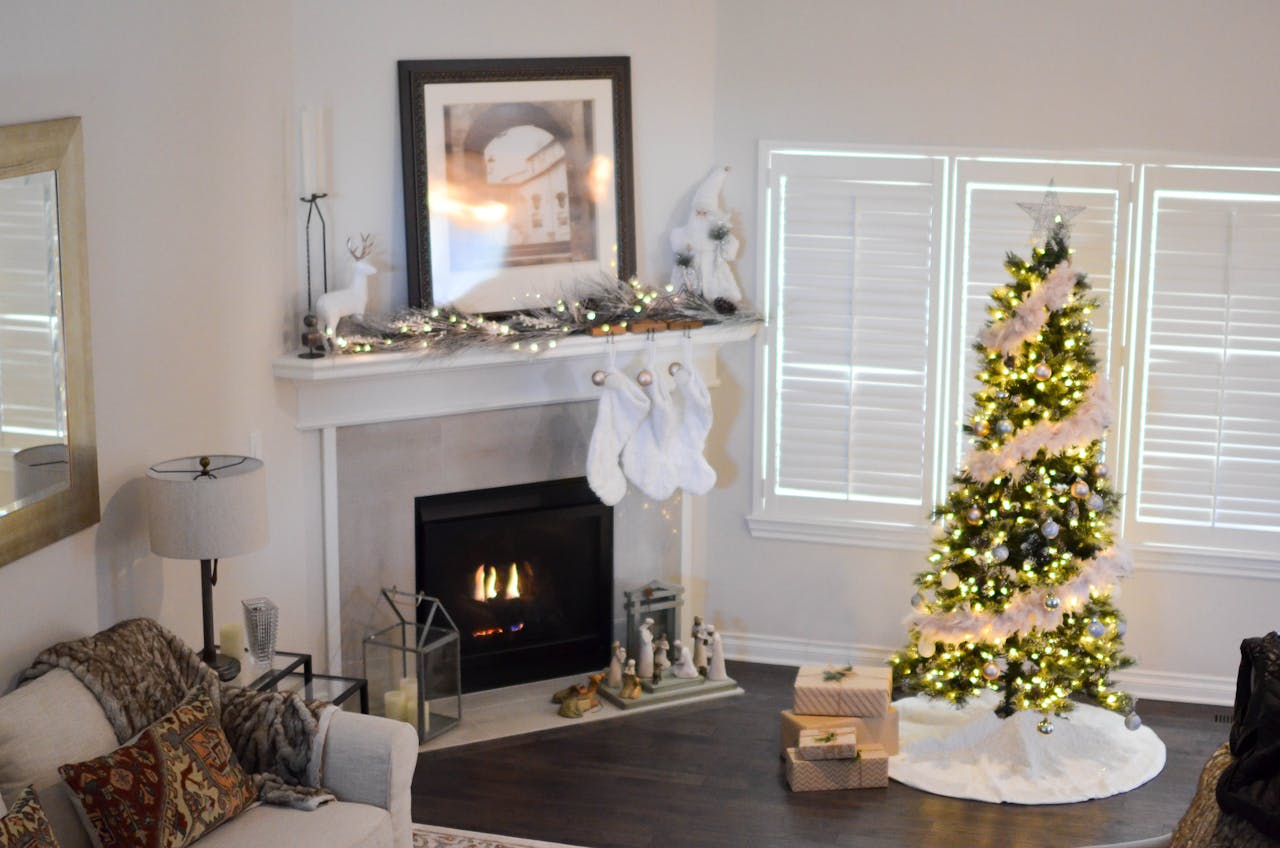
While decorating, ensure that your lights and décor are placed away from heat sources like candles, fireplaces, and radiators. Decorations can easily catch fire when they are near heat, and this is especially dangerous with live trees that can dry out quickly. Make sure your tree is watered daily if you have a real one, and keep it away from heat sources.
Be cautious of water exposure as well. If you’re placing lights outdoors, ensure they are rated for wet conditions. Wet weather can damage electrical components and create serious hazards.
5. Use Clips or Hooks, Not Staples or Nails
When hanging Christmas lights, avoid using staples or nails to secure the wiring. While these tools might seem like a quick way to hang lights, they can easily damage the wires and create an electrical hazard. Instead, use clips or hooks designed specifically for hanging lights. These are safer and ensure the wires stay intact without compromising their safety.
Also, make sure that any wires or cords you use are securely fastened and do not hang loosely where they could be tripped over or caught on something.
6. Use Timers to Control Lights
Using timers for your Christmas lights is one of the simplest and most effective safety tips. Timers will automatically turn your lights on and off at set times, reducing the chances of leaving lights on for extended periods. This not only helps prevent overheating but also conserves energy and reduces the risk of accidents when no one is around to monitor the lights.
It’s also a good practice to turn off all holiday lights before going to bed or leaving the house. If using a timer is not an option, make sure the lights are manually turned off when they are no longer needed.
7. Store Decorations Safely After the Season
Once the holidays are over, it’s important to store your decorations properly to prevent damage for next year. Store your Christmas lights and decorations in a cool, dry place to avoid moisture damage, which can affect electrical components and wiring. Coiling lights neatly and keeping them in secure storage bins can help prevent tangles and ensure they remain in good condition.
Before reusing your lights next season, inspect them again for any wear and tear, especially if they were stored improperly or exposed to extreme conditions.
Start Your Quote Today
Our licensed specialist will search for the best insurance quotes and will email you when ready.