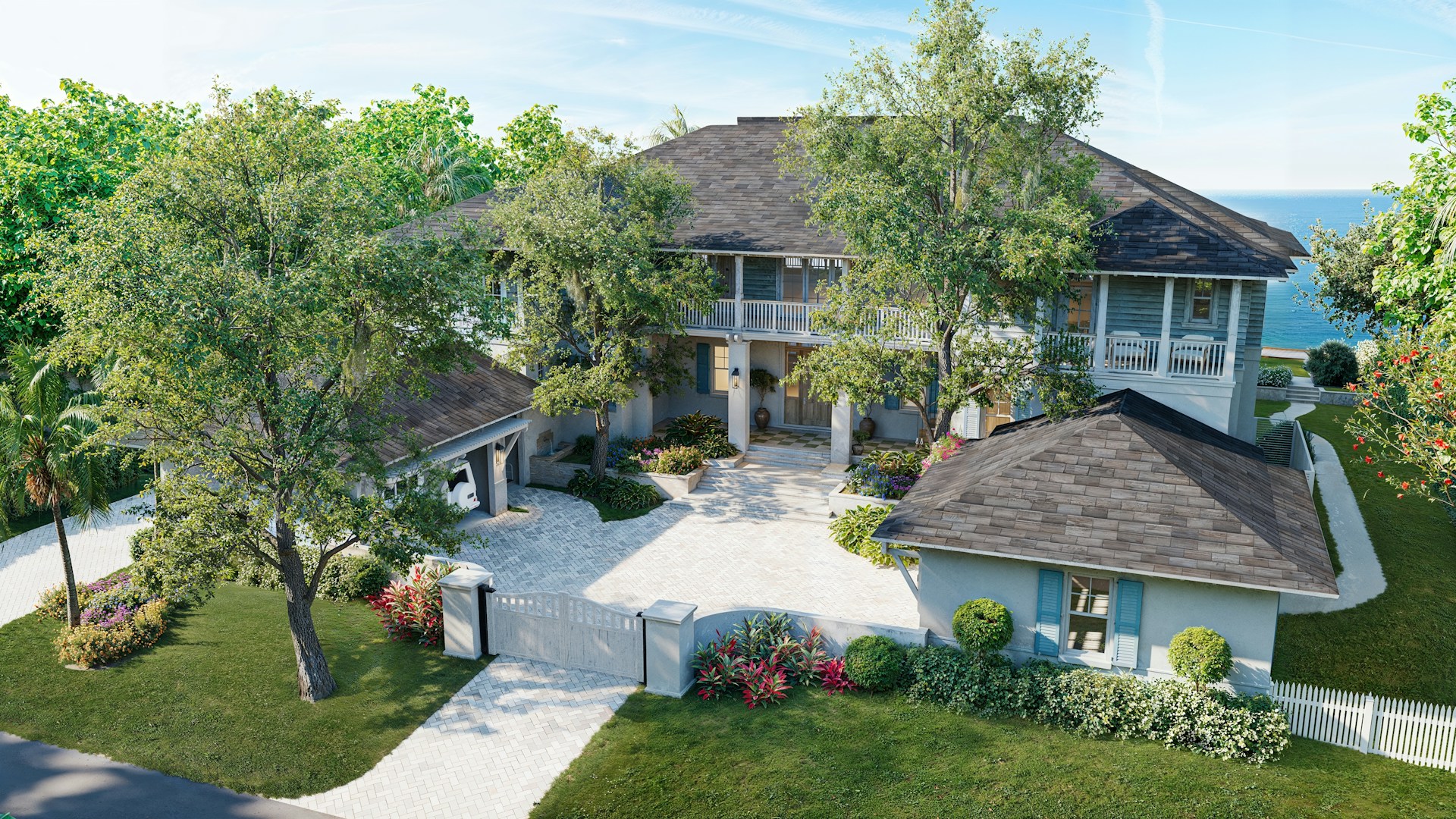
The Hidden Risk in Your Home Insurance: Water Damage Caps Explained
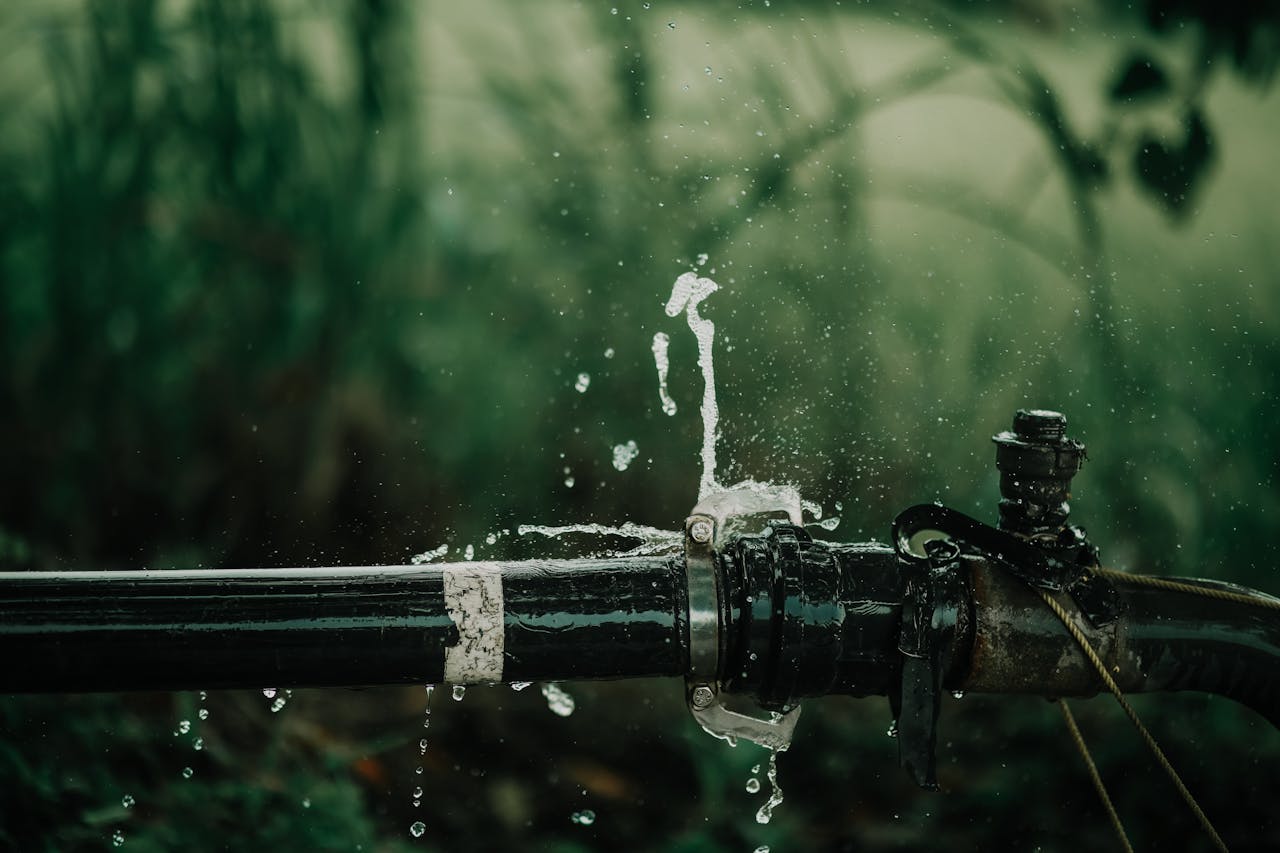
Water damage often starts small. A loose hose. A slow toilet leak. A water heater that has been in place for years. At first, it may not seem urgent. But over time, these issues can lead to costly repairs.
Many homeowners believe their insurance will cover the full cost of this kind of damage. What they may not realize is that coverage often comes with limits. These limits are known as water damage caps, and they can affect how much you receive from a claim.
What Are Water Damage Caps
Water damage caps are limits set by insurance companies on how much they will pay for water-related damage.
This means that even if the total cost of repairs is high, your policy may only cover up to a set amount. Any cost beyond that limit may need to be paid out of pocket.
These caps can apply to different types of water damage, including:
- Burst pipes
- Appliance leaks
- Plumbing issues
- Overflow from sinks or toilets
Each policy is different, so the limit can vary from one homeowner to another.
Why Insurance Companies Set These Limits
Water damage is one of the most common reasons homeowners file claims. It can also be expensive to repair, especially when it affects floors, walls, and electrical systems.
Some damage happens suddenly. But in many cases, the problem builds up over time due to small leaks or lack of maintenance.
To manage these risks, insurance companies set limits on how much they will pay. This helps control rising costs and encourages homeowners to take care of their property.
Common Causes of Water Damage at Home
Water damage does not always come from major events. In many cases, it starts with everyday issues that go unnoticed.
Toilet leaks
A toilet that runs or leaks can slowly damage flooring and nearby areas. Over time, this can lead to mold or structural problems.
Water heater failure
Water heaters can wear out as they age. When they fail, they can release a large amount of water in a short time.
Worn-out hoses
Appliances like washing machines and dishwashers rely on hoses that can crack or loosen over time.
Hidden pipe leaks
Leaks inside walls or under sinks may not be visible right away. By the time they are found, the damage may already be serious.
Why an Old Water Heater Can Be a Risk
A water heater is easy to overlook, but it plays a big role in your home. Most units last around 8 to 12 years. As they age, the risk of leaks or sudden failure increases. Rust, pressure buildup, and worn parts can all lead to problems.
If a water heater breaks, it can release water quickly and damage nearby areas such as floors and walls. Replacing an older unit before it fails can help reduce the chance of a large and costly claim.
What Your Policy May or May Not Cover
Not all water damage is treated the same under home insurance.
In general:
- Sudden and unexpected damage is more likely to be covered
- Damage that builds up over time may not be covered
- Some policies set separate limits for certain types of water damage
- A deductible will still apply to any approved claim
This means that even if you have coverage, the amount you receive may be limited. Taking time to read your policy can help you understand what is included and what is not.
Why It Helps to Review Your Insurance
Insurance policies can change over time. Coverage limits may also be different from what you expect.
By reviewing your policy, you can:
- See if there are caps on water damage
- Understand what types of damage are covered
- Plan for any costs that may not be included
If anything is unclear, it is worth asking your provider for more details.
Start Your Quote Today
Our licensed specialist will search for the best insurance quotes and will email you when ready.