Your check-engine light comes on, the transmission starts slipping, or the engine refuses to start. The repair estimate may be thousands of dollars, so it is natural to ask whether your car insurance will help.
Typically, auto insurance does not cover mechanical breakdowns caused by age, wear and tear, defective parts, or poor maintenance. Standard policies mainly protect against accidents and other unexpected outside events—not the cost of keeping an aging vehicle running. Coverage may apply, however, when a covered event directly causes the mechanical damage.
Does Car Insurance Cover Mechanical Breakdowns?
In most cases, no. A standard auto insurance policy generally will not pay to repair or replace a component simply because it stopped working.
Breakdowns that usually are not covered include:
- An engine that fails from long-term wear
- A transmission that breaks without an accident
- A dead battery that needs replacement
- Worn brakes, belts, hoses, or spark plugs
- Electrical problems caused by aging components
- Damage linked to skipped maintenance
Insurers treat these costs as part of vehicle ownership. Similar to replacing worn tires or scheduling an oil change, the driver normally pays for repairs caused by ordinary use.
When Mechanical Damage May Be Covered
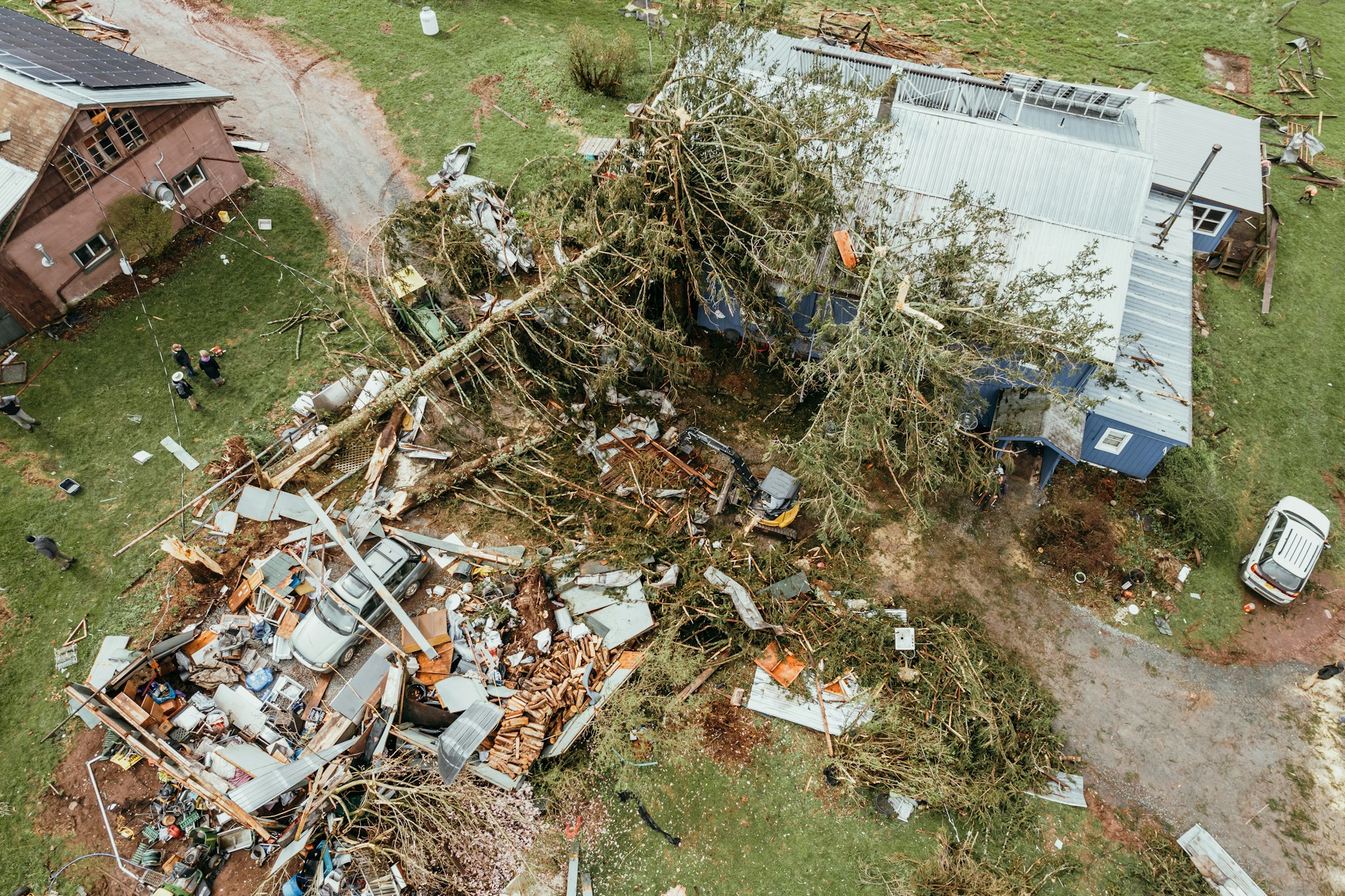
The cause of the damage matters more than the failed part. If an accident or another covered event damages your vehicle’s mechanical systems, your policy may help pay for repairs.
Collision Coverage
Collision coverage helps repair your car after it hits another vehicle or object, subject to your deductible.
For example, if you hit a curb and damage the suspension, steering system, or oil pan, those repairs may qualify because the collision caused them. Collision coverage would not apply if the same parts failed gradually from age or normal use.
Comprehensive Coverage
Comprehensive coverage pays for certain non-collision losses, such as theft, vandalism, fire, falling objects, hail, flooding, or contact with an animal. It also comes with a deductible.
If a flood damages the electrical system or a fire destroys engine components, comprehensive coverage may apply. It will not cover an internal engine or electrical failure that occurs without a covered outside event.
Another Driver’s Liability Coverage
When another driver causes a crash, that driver’s property damage liability coverage may pay for accident-related repairs to your vehicle, including damaged mechanical components.
You may need evidence connecting the problem to the accident. Photos, repair records, diagnostic reports, and a mechanic’s written assessment can support the claim.
What About Roadside Assistance and Rental Coverage?
Roadside assistance can help during a breakdown, but it normally does not pay the repair bill. Depending on the plan, it may cover:
- Towing
- Battery jump-starts
- Flat-tire changes
- Emergency fuel delivery
- Lockout assistance
The plan may tow your car to a repair facility, but you will usually pay for parts and labor.
Rental reimbursement coverage also has limits. It commonly pays for a temporary rental only when your car is being repaired after a covered claim. If your transmission fails from normal wear, rental coverage may not apply. Check your policy because terms vary.
What Can Cover a Mechanical Breakdown?
Drivers who want protection beyond standard auto insurance have several options. Each comes with eligibility rules, exclusions, and costs.
Manufacturer’s Warranty
A manufacturer’s warranty may cover certain mechanical or electrical defects during a set period or mileage limit. New vehicles often include this protection automatically.
Warranty coverage usually excludes routine maintenance and parts that naturally wear out. Keep service records and follow the manufacturer’s maintenance schedule.
Extended Warranty or Vehicle Service Contract
An extended warranty, often structured as a vehicle service contract, may pay for specified repairs after the original warranty expires. Some plans cover major systems such as the engine and transmission, while others offer broader protection.
Before buying, check:
- Included parts and systems
- Deductible amounts
- Age and mileage limits
- Maintenance requirements
- Repair-shop restrictions
- Claim authorization procedures
- Cancellation terms
Do not assume a plan covers every failure. Routine maintenance, pre-existing problems, and wear items such as tires or brake pads are often excluded.
Mechanical Breakdown Insurance
Some insurers offer mechanical breakdown insurance, or MBI, as optional protection for eligible vehicles. It may cover certain internal mechanical failures excluded by standard auto insurance.
MBI often applies only to newer, low-mileage vehicles. A deductible usually applies, and coverage may exclude maintenance, corrosion, misuse, or pre-existing problems. Availability and rules vary by insurer and state.
Emergency Repair Savings
A repair fund can be a practical alternative when a vehicle no longer qualifies for warranty or MBI coverage. Setting aside money each month can reduce the financial shock of an unexpected repair.
What to Do When Your Car Breaks Down
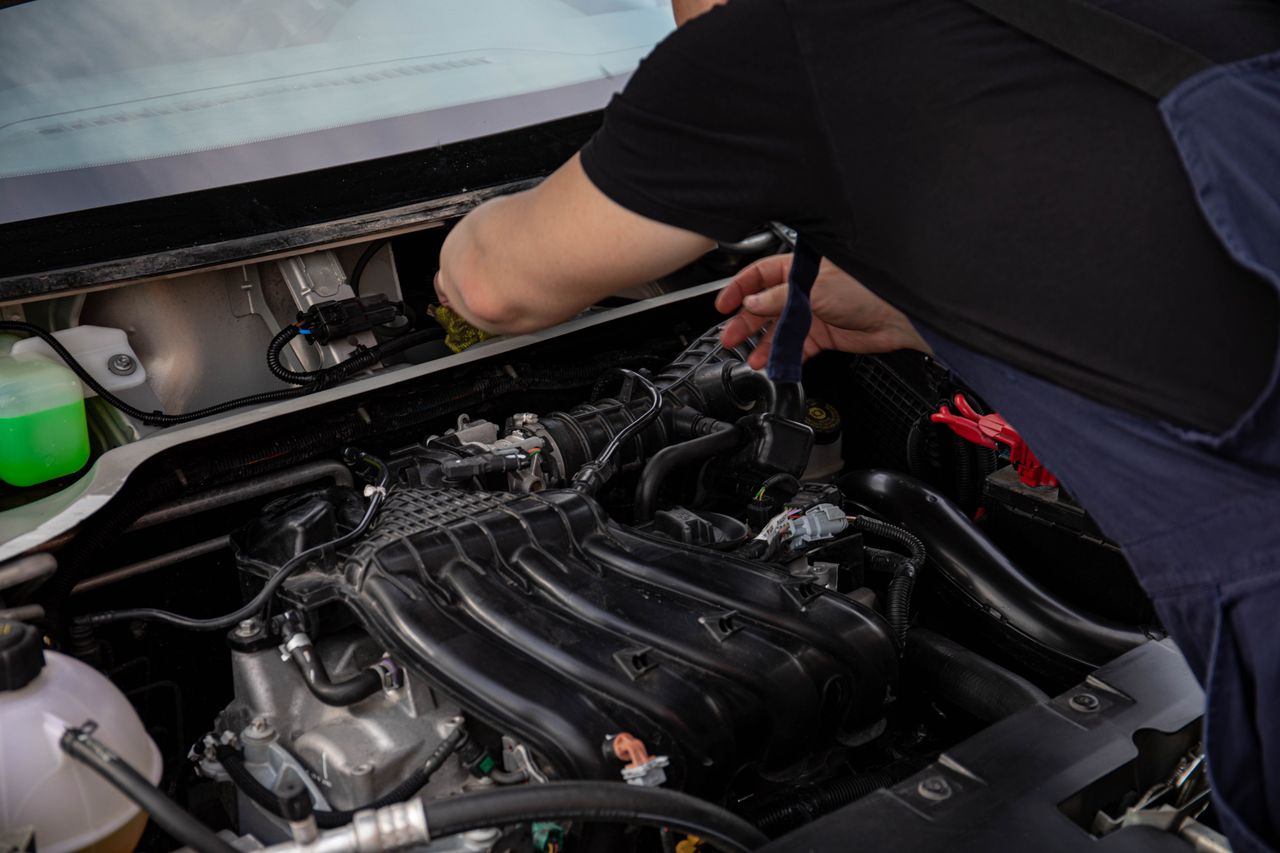
First, move the vehicle to a safe location and arrange roadside help. Do not keep driving if overheating, fluid loss, warning lights, unusual noises, or steering problems could lead to more damage.
Ask the repair shop for a written diagnosis explaining the failed part and likely cause. If the problem followed a crash, flood, fire, theft attempt, animal strike, or another covered event, contact your insurer before authorizing major repairs.
Review your declarations page, exclusions, deductibles, and endorsements. The declarations page summarizes the coverage you purchased, while the full policy explains the rules. Your agent can clarify whether you have collision, comprehensive, towing, rental reimbursement, or optional breakdown protection.
Start Your Quote Today
Our licensed specialist will search for the best insurance quotes and will email you when ready.