Hurricane Preparedness Checklist: Protect Your Home Before a Storm
A hurricane preparedness checklist helps you protect your home, reduce avoidable damage, and understand which losses your insurance may cover. Waiting until a hurricane warning is issued can leave you with limited supplies, rushed repairs, and fewer insurance options.
Preparation should begin before a storm enters the forecast. That means strengthening vulnerable parts of your home, documenting your belongings, reviewing your deductibles, and making a safe evacuation plan.
Why Is Hurricane Preparedness Important for Homeowners?
Hurricane preparation reduces your exposure to wind, rain, flying debris, storm surge, and extended power outages. It can also make an insurance claim easier by giving you proof of your home’s condition and contents before the storm.
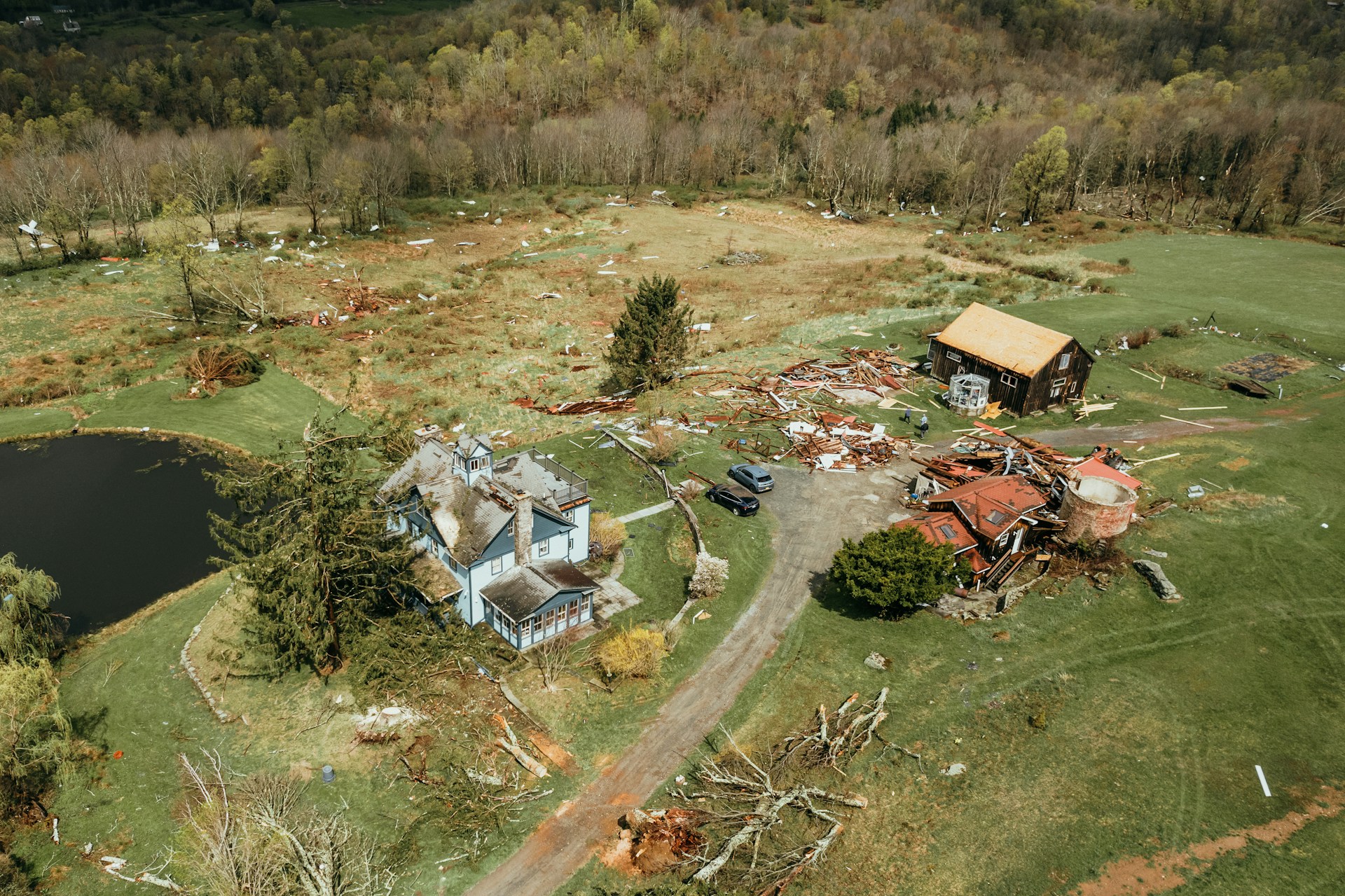
Hurricanes can affect communities far beyond the coastline. Wind and heavy rain may cause roof damage, falling trees, interior water damage, and flooding well inland.
The National Oceanic and Atmospheric Administration recommends covering windows, trimming trees, and securing loose outdoor items before severe weather arrives. These basic actions can prevent smaller hazards from becoming expensive losses.
Hurricane Preparedness Checklist for Your Home
The most effective hurricane preparedness checklist addresses the roof, windows, doors, yard, utilities, insurance documents, and household safety plan. Complete permanent improvements well before hurricane season, then handle final storm preparations when a threat develops.
Before hurricane season
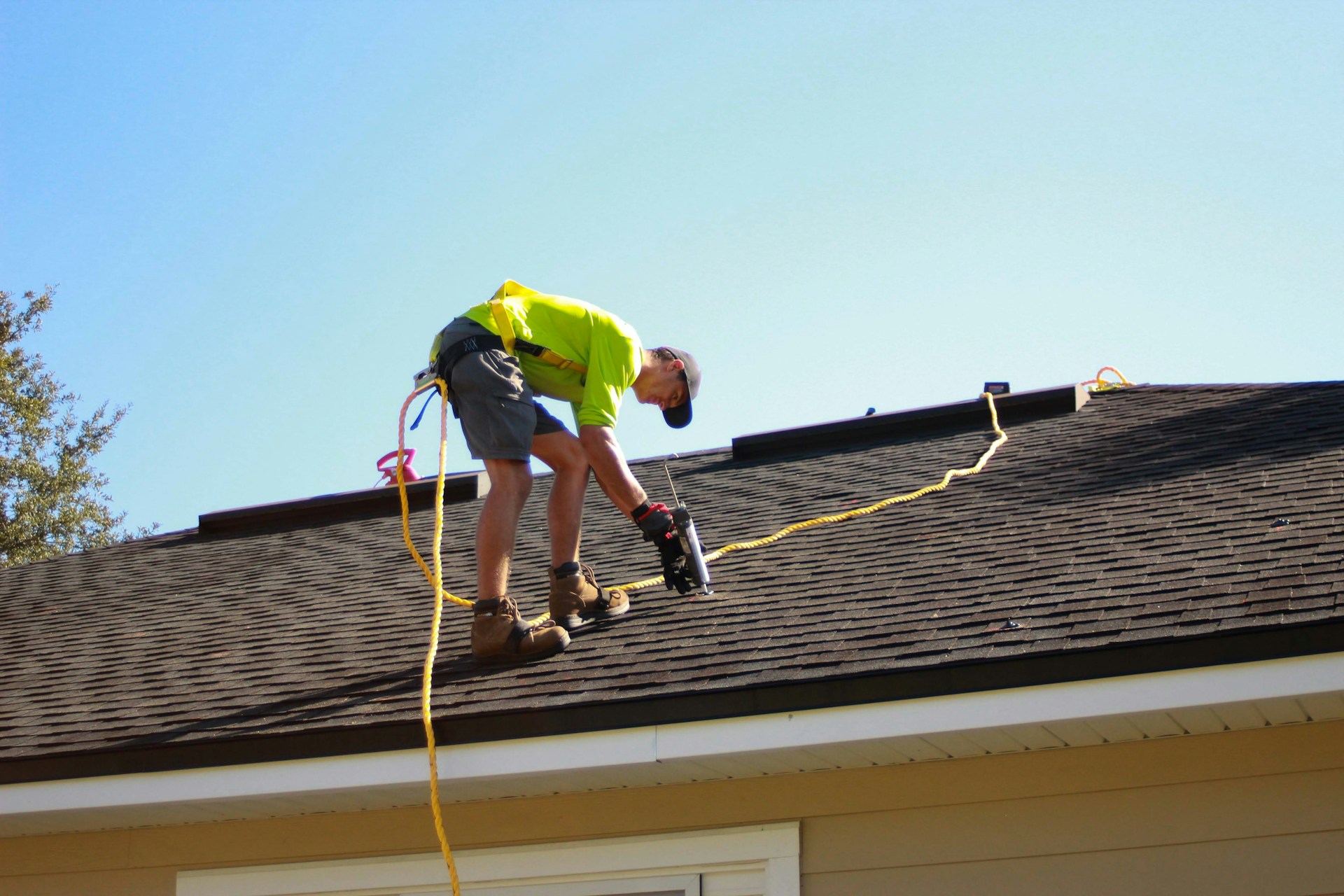
- Inspect your roof for loose, damaged, or missing shingles.
- Seal openings around windows, doors, vents, and utility lines.
- Install permanent storm shutters or keep properly fitted plywood ready.
- Check that exterior doors, including the garage door, close securely.
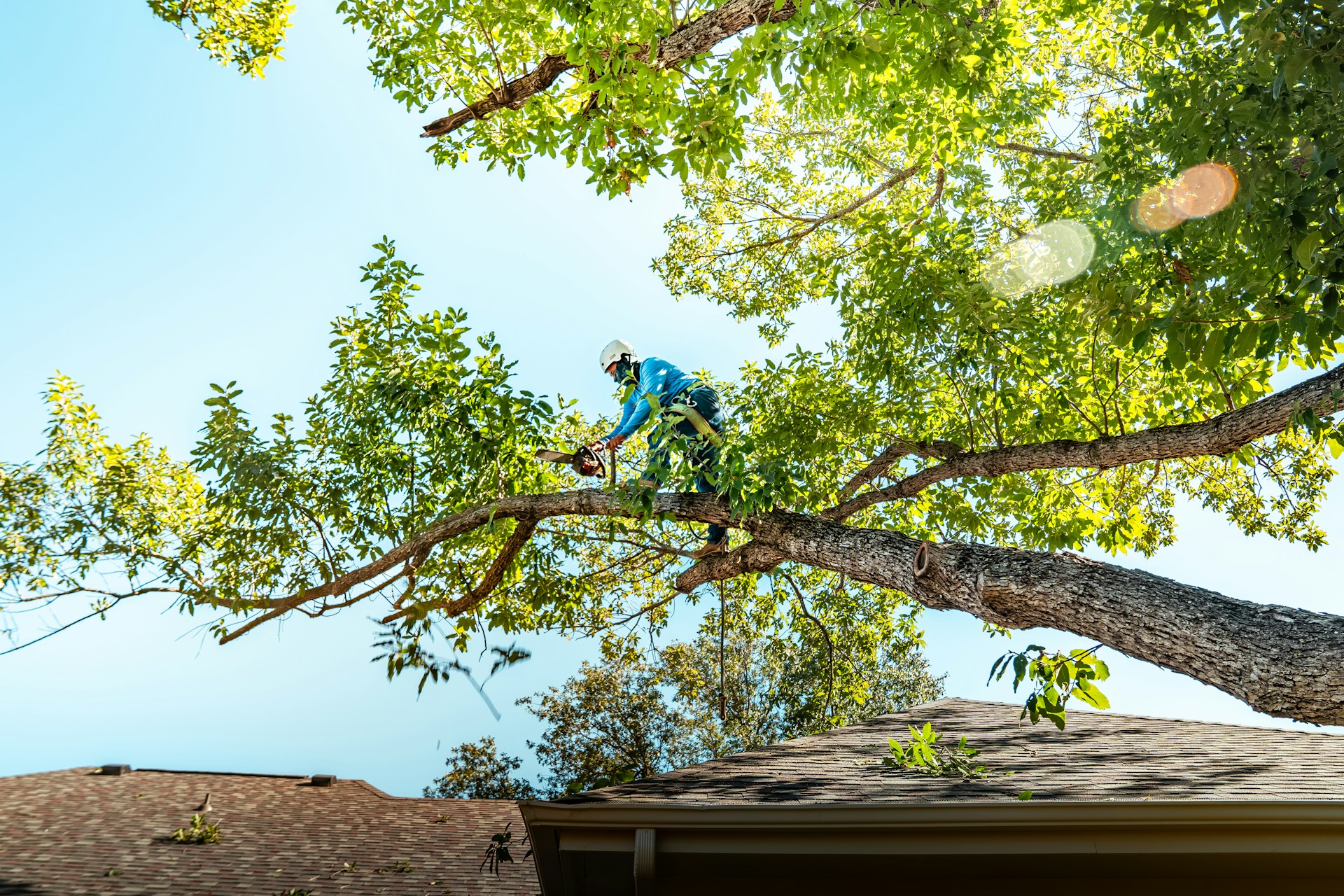
- Trim weak or overhanging tree branches.
- Clean gutters and downspouts so water can drain away from the house.
- Test smoke alarms, carbon monoxide detectors, and sump pumps.
- Have a qualified professional inspect your electrical system or backup generator when necessary.
- Build a photo or video inventory of your home and belongings.
- Store insurance policies and important records in a waterproof container and secure digital backup.
When a storm threatens
- Bring patio furniture, grills, planters, tools, and decorations indoors.
- Secure shutters and exterior doors.
- Move vehicles to a garage or safer inland location when possible.
- Charge phones, battery packs, and necessary medical devices.
- Set refrigerators and freezers to colder settings in case power is lost.
- Follow local instructions about water, electricity, and gas service.
- Prepare several days of water, food, medication, flashlights, batteries, and pet supplies.
- Know your evacuation route and leave promptly when authorities issue an order.
Never run a portable generator inside a home, garage, shed, or other enclosed space. Carbon monoxide can build up quickly and become deadly.
Does Homeowners Insurance Cover Hurricane Damage?
Standard homeowners insurance commonly covers wind damage, but it generally does not cover flooding or storm surge. Coverage depends on the policy, the cause of the damage, and whether wind coverage is included or excluded in your area.
A typical policy may provide protection for:
- Wind damage to the dwelling
- Covered damage to detached structures
- Personal belongings damaged by a covered peril
- Additional living expenses when a covered loss makes the home uninhabitable
Flooding requires separate attention. Standard homeowners, condo, and renters policies generally exclude flood damage, including water pushed inland by storm surge, according to the Insurance Information Institute. Homeowners may need a separate flood insurance policy through the National Flood Insurance Program or a private insurer.
Some coastal properties also require separate windstorm coverage. Read the declarations page and exclusions instead of assuming every source of hurricane damage is handled by one policy.
How Do Hurricane and Windstorm Deductibles Work?
A hurricane or windstorm deductible is the amount a homeowner must pay before insurance begins paying an eligible storm claim. Unlike a standard flat-dollar deductible, it may be calculated as a percentage of the home’s insured value.
The trigger and percentage vary by state, insurer, and policy. A hurricane deductible may apply when a storm reaches a defined status, when an official watch or warning begins, or under another policy-specific trigger.
Review the actual dollar amount before hurricane season. Even a percentage that looks small can represent a meaningful out-of-pocket expense when it is applied to the dwelling coverage limit.
Insurance pricing also varies based on location, rebuilding cost, roof condition, construction type, coverage limits, claims history, and mitigation features. Impact-resistant windows, reinforced roofs, or documented wind-mitigation improvements may affect eligibility or pricing with some providers.
What Insurance Steps Should You Take Before a Hurricane?
Review your insurance before a storm appears in the immediate forecast. Insurers may temporarily restrict new policies or coverage changes when a named storm is approaching, so last-minute adjustments may not be possible.
Start with these steps:
- Check your dwelling limit. It should reflect the estimated cost to rebuild the home, not its real estate value.
- Review wind coverage. Look for hurricane, named-storm, and windstorm deductibles or exclusions.
- Investigate flood insurance. Do not rely only on whether your property sits inside a mapped high-risk flood zone.
- Update your home inventory. Photograph rooms, appliances, electronics, furniture, valuables, and recent improvements.
- Save claim information. Keep your policy number, insurer contact details, and claims instructions available offline.
- Keep receipts. Save records for storm supplies, temporary repairs, and evacuation expenses when appropriate.
- Ask about mitigation features. Roof-to-wall connections, storm shutters, opening protection, and updated roofing may qualify for consideration depending on the state and insurer.
After a storm, protect the property from further damage only when it is safe. Photograph damage before making temporary repairs, save damaged items unless instructed otherwise, and keep every receipt. Avoid permanent repairs until the insurer has explained the inspection and claim process.
How Does Hurricane Preparation Vary by Location and Home Type?
Preparation requirements vary based on local hazards, building rules, home construction, and insurance markets. Coastal homes face greater storm-surge and saltwater exposure, while inland homes may still experience destructive wind, rain, falling trees, and river flooding.
Mobile and manufactured homes require special planning because they may be unsafe during hurricane-force winds. Residents should identify an approved shelter or stronger structure and evacuate when local officials advise them to leave.
Condo owners should review both their individual HO-6 policy and the association’s master policy. Renters should consider renters insurance for their belongings and temporary living expenses, while landlords remain responsible for insuring the building.
Small business owners should also protect equipment, customer records, inventory, and payroll information. Commercial property, flood, equipment breakdown, and business interruption coverage may respond differently, so each policy should be reviewed separately.
Start Your Quote Today
Our licensed specialist will search for the best insurance quotes and will email you when ready.