Fireplace Safety Checklist: Protect Your Home and Insurance Policy
Fireplaces bring warmth and comfort to your home, especially during the colder months. However, they also present certain risks that could lead to serious damage or fire-related accidents. When fireplaces are not properly maintained, there is a higher chance of fire hazards, which can impact both your home and your insurance policy. In the worst-case scenario, fireplace-related accidents can result in higher premiums or even denied claims.
Fireplace Safety Checklist
A fireplace can bring warmth and comfort to your home, but it also comes with potential risks. Taking a few simple steps to ensure safety can help prevent accidents and protect both your home and insurance policy.
1. Regular Chimney Maintenance
One of the most important steps to ensuring your fireplace is safe is having your chimney cleaned and inspected regularly. Over time, soot and creosote can build up inside the chimney, which can become a fire hazard. This buildup can catch fire and spread to the rest of your home if not addressed. To avoid this, it is recommended to have your chimney cleaned and inspected by a professional at least once a year. Regular maintenance reduces the risk of chimney fires, which could lead to significant damage to your home and potentially void your insurance policy if not properly maintained.
2. Proper Fuel Use
It is essential to burn the right type of fuel in your fireplace. For wood-burning fireplaces, always use seasoned hardwoods, which burn cleaner and reduce the amount of creosote buildup in the chimney. Never burn items like plastic, wrapping paper, or Christmas trees, as they can cause dangerous flare-ups or toxic fumes. If you have a gas fireplace, ensure that it is connected to a safe and properly maintained gas line, and always use the correct type of gas. Using the right fuel not only keeps your fireplace safe but also helps in maintaining proper ventilation, which is critical to preventing carbon monoxide buildup.
3. Keep the Area Safe
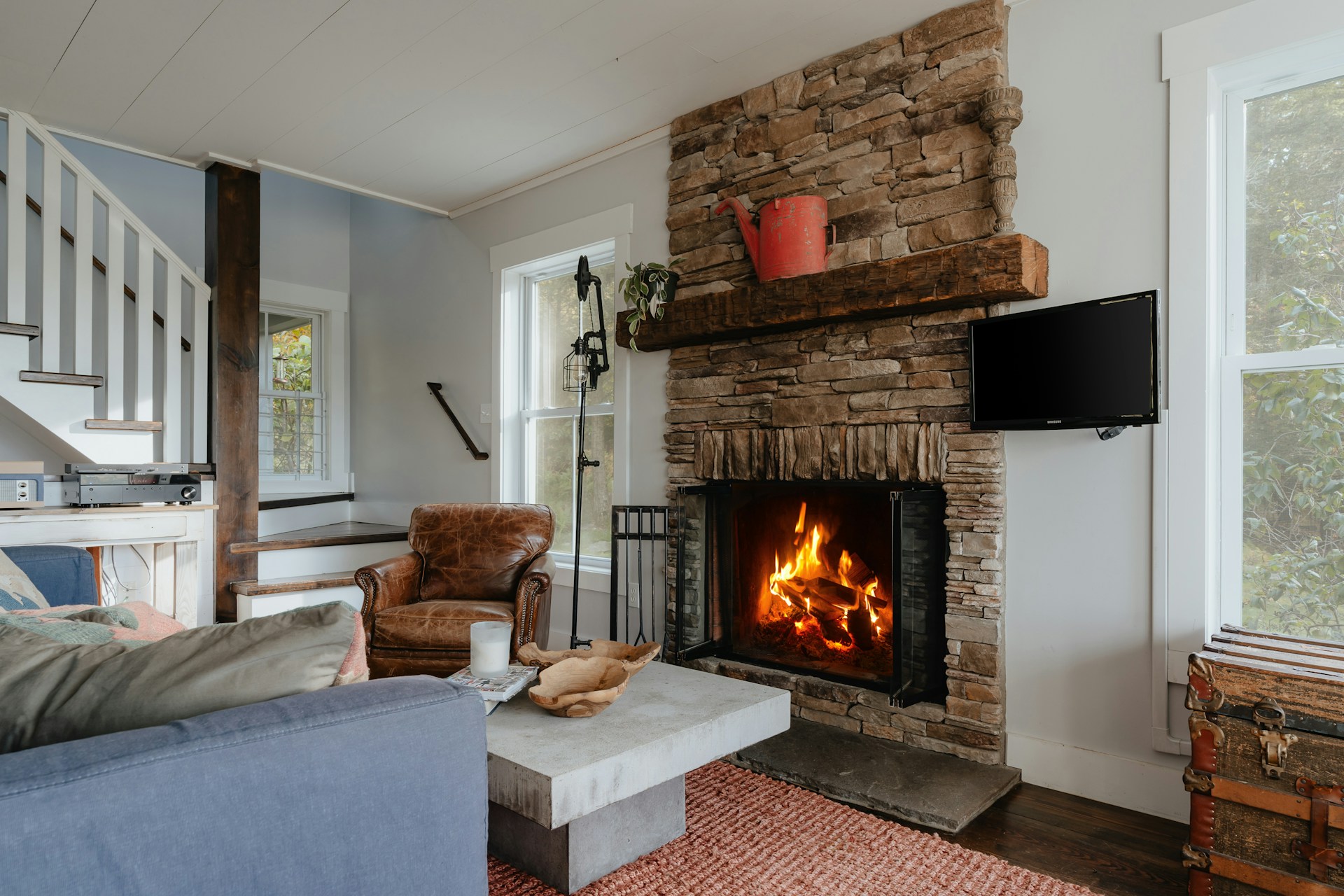
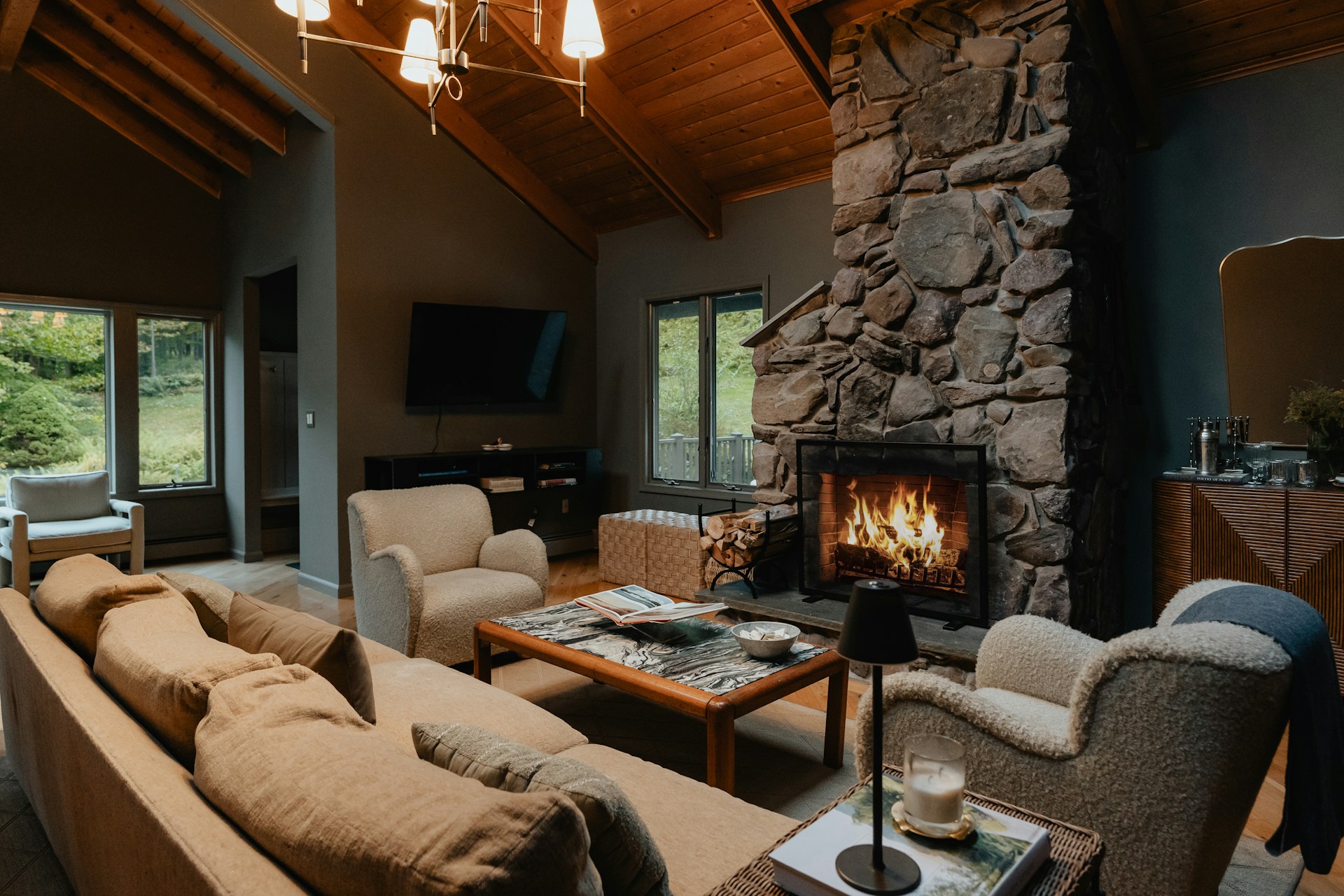
Keeping the area around your fireplace clear of flammable materials is essential. This includes furniture, rugs, curtains, and even holiday decorations. Keep these items at least three feet away from the fireplace to reduce the risk of accidental fires. A fire screen is also a good investment for preventing sparks or embers from escaping the firebox and landing on nearby materials. A well-maintained fireplace with clear, safe surroundings is less likely to cause fires or damage that could result in an insurance claim.
4. Never Leave a Fire Unattended
Never leave a fire unattended, especially when children or pets are in the home. Fires can spread quickly, and it only takes a few seconds for something to go wrong. Always supervise the fire, and never leave it burning when you leave the room or go to bed. It is also essential to completely extinguish the fire before leaving it. This will help prevent any smoldering embers from causing a fire while you are away.
5. Check for Carbon Monoxide Leaks
Gas fireplaces are convenient but can pose serious dangers if not properly maintained. One of the most significant risks with gas fireplaces is the possibility of carbon monoxide leaks. Carbon monoxide is an odorless, colorless gas that can be deadly if it accumulates in your home. Install a carbon monoxide detector near the fireplace, and check it regularly to ensure it is working. This simple step can help prevent dangerous gas buildup, which could otherwise affect your health and safety.
6. Insurance Impact
An often-overlooked aspect of fireplace safety is how it relates to your home insurance policy. If a fire occurs due to negligence, like failing to clean the chimney or using improper fuel, it may affect your ability to file a claim or lead to an increase in premiums. Many insurance policies require homeowners to follow basic safety guidelines, such as regular chimney inspections and proper fireplace use, to maintain coverage. By practicing proper fireplace safety, you not only protect your home from potential fires but also ensure that your insurance policy remains valid and that you avoid unexpected increases in premiums.
Start Your Quote Today
Our licensed specialist will search for the best insurance quotes and will email you when ready.