Feeling uneasy around your home can be stressful, especially when something feels “off” but you cannot explain why. Maybe you noticed an unfamiliar car parked nearby, strange marks near your gate, or someone walking past your house more than usual.
While not every unusual situation means your home is being targeted, it is still smart to pay attention. Robbers often look for patterns before choosing a house. They may check when people leave, whether security cameras work, or how easy it would be to enter without being seen.
Here are 10 warning signs your house may be watched by robbers, plus what you can do to protect your home, belongings, and insurance coverage.
1. Unfamiliar People Keep Passing by Your Home
One person walking past your home is normal. But if you keep seeing the same person slowing down, looking at doors, windows, cameras, or vehicles, take note.
Robbers may observe a property before acting. They often check entry points, security systems, and daily routines.
What to do:
- Avoid confronting the person directly.
- Take note of the date, time, clothing, and direction they went.
- Share the information with neighbors or your local community group.
- Report suspicious behavior to local authorities if it continues.
2. The Same Vehicle Is Parked Nearby Often
A car parked outside once may not mean anything. But a vehicle that appears repeatedly, especially with someone inside watching homes, may be a warning sign.
Pay attention if the vehicle has no clear reason to be there or if it appears when your household usually leaves.
Try to write down the plate number, color, model, and time seen. Keep this record in case you need to report it later.
3. You Notice Strange Marks Near Your Gate, Mailbox, or Door
Some burglars use small marks to identify homes. These may appear as chalk marks, stickers, scratches, tape, or objects placed near the entrance.
This does not always mean danger, but it is worth checking. Marks may show that someone tested whether your home is occupied or easy to access.
Remove the marks or objects right away. If they return, take photos and report the pattern.
4. Your Security Camera or Doorbell Camera Looks Tampered With
If your camera has been moved, covered, disconnected, or damaged, treat it seriously. Robbers may try to block recording before entering a property.
Check for these signs:
- Camera angle changed
- Lens covered or dirty on purpose
- Wires cut or pulled
- Doorbell camera not working suddenly
- Motion alerts missing during suspicious activity
Keep security devices high enough that they are hard to reach. Also, use cloud storage when possible so footage stays saved even if the device gets stolen.
5. Someone Knocks or Rings the Bell Without a Clear Reason
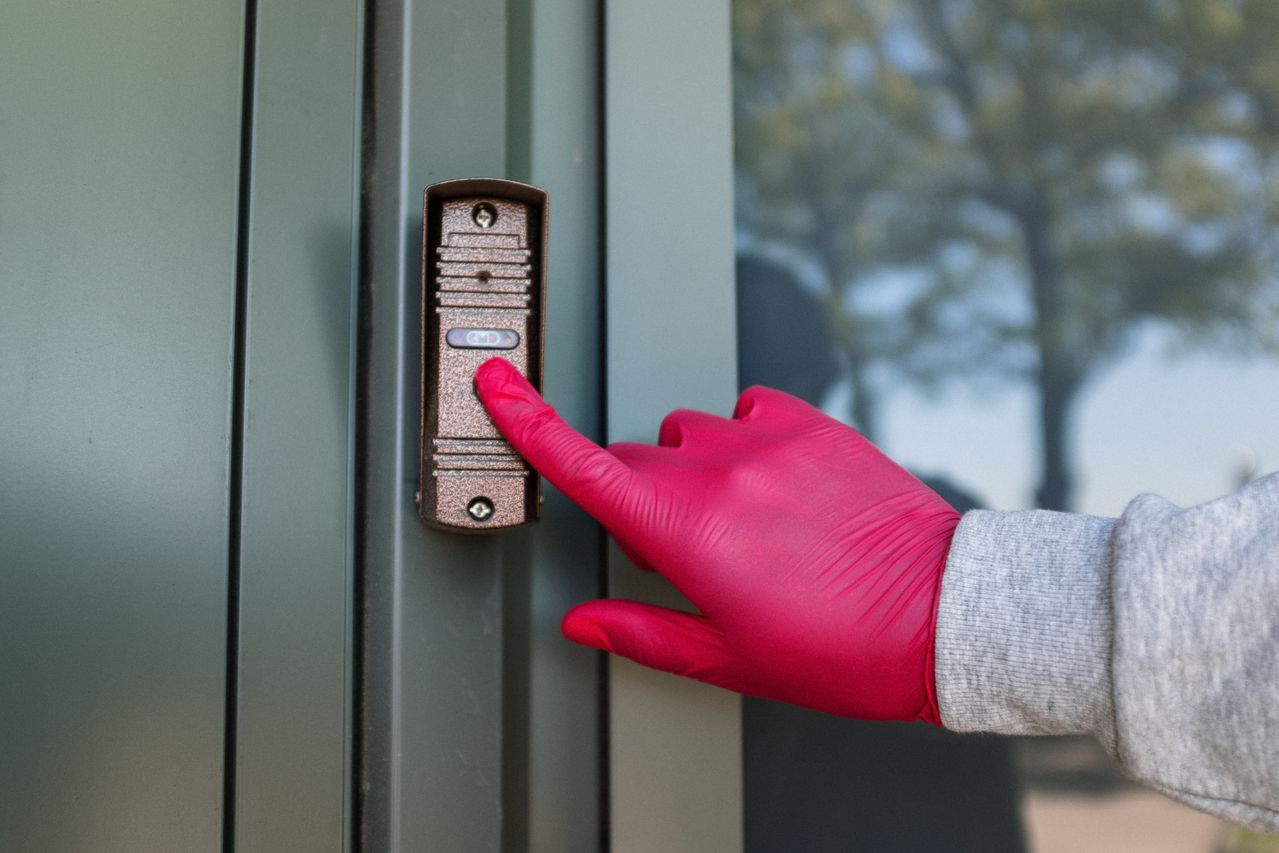
Robbers sometimes knock to check whether someone is home. They may pretend to be selling something, asking for directions, looking for a person, or offering repair services.
If this happens, do not open the door fully. Speak through a locked door, window, or video doorbell. A real visitor should not pressure you to open the door.
Teach everyone in the household, including children and older family members, not to let strangers inside.
6. Packages, Mail, or Flyers Are Left Unmoved
A full mailbox, packages outside, or flyers left on the gate can show that no one is home. Robbers may use this as a sign that the house is empty.
If you travel, ask a trusted person to collect your mail and packages. You can also pause deliveries or schedule them when someone is home.
This also matters for insurance. If a theft happens while your home appears unattended, your insurer may ask for details about the incident and your safety measures.
7. Your Outdoor Lights Stop Working Suddenly
Good lighting can discourage robbers because it makes them easier to see. If your outdoor lights suddenly stop working, especially near doors, driveways, or side paths, check them quickly.
Sometimes it is just a bulb or wiring issue. But if lights are loosened, broken, or removed, someone may have tried to create a darker entry point.
Use motion sensor lights near common access areas. These lights turn on when they detect movement, which can help alert you and surprise intruders.
8. Your Dog or Neighbor’s Dog Reacts More Than Usual
Pets often notice sounds and movement before people do. If your dog starts barking at the same area repeatedly, it may be worth checking.
This does not always point to robbers. It could be animals, delivery workers, or neighbors. But if the barking happens together with other signs, such as strange vehicles or people walking by, take it seriously.
Ask nearby neighbors if they have noticed anything unusual too. A connected neighborhood can help spot patterns faster.
9. You See Signs of Forced Testing Around Doors or Windows
Robbers may test locks, windows, gates, or garage doors before attempting a break-in. Look for small signs of damage.
Check for:
- Scratches around locks
- Loose door handles
- Damaged window screens
- Bent gate latches
- Fresh marks near sliding doors
- Garage doors that look slightly lifted or forced
Fix weak points right away. If something looks damaged, take photos before repairing it. These photos may help if you need to file a police report or insurance claim.
10. Your Daily Routine Seems Known to Strangers
If someone appears to know when you leave, when your home is empty, or when you return, that can be concerning. Robbers often prefer homes with predictable routines.
Avoid sharing travel plans, daily schedules, or “no one is home” updates online. Even harmless posts can give information to the wrong person.
You can also make your home look occupied by using timers for lights, asking someone to check the property, or leaving a radio on at low volume when away.
What to Do If You Think Your House Is Being Watched
If you notice one sign, stay calm. If you notice several signs together, act early.
Start with simple steps:
- Lock all doors, windows, gates, and garage access points.
- Turn on outdoor lights at night.
- Save photos, videos, and notes of suspicious activity.
- Let trusted neighbors know what you noticed.
- Avoid posting your location or travel plans online.
- Report repeated suspicious behavior to local authorities.
Do not confront suspicious people alone. Your safety comes first.
How Home Insurance May Help After a Break-In
Home insurance may help cover stolen or damaged belongings after a break-in, depending on your policy. A policy is your agreement with the insurance company. It explains what is covered, what is not covered, and how much the insurer may pay.
Personal property coverage is the part of home insurance that may help pay for stolen items like electronics, furniture, clothes, or appliances. A deductible is the amount you pay first before insurance helps cover the rest.
To make a claim easier, keep proof of ownership when possible. Save receipts, photos, serial numbers, and warranty records for valuable items. If a break-in happens, report it to the police and contact your insurer as soon as possible.
Start Your Quote Today
Our licensed specialist will search for the best insurance quotes and will email you when ready.