Protect Your Garage This Winter: Effective Strategies for Tools, Vehicles, and Home Connections
As winter approaches, protecting your garage from the cold and harsh weather is essential. If your garage is not prepared, you risk damage to your tools, vehicles, and even the home connections that are housed there.
Sealing Gaps and Cracks
One of the most important steps in winterizing your garage is sealing any gaps and cracks around windows, doors, and the foundation. Cold air can seep in through even the smallest openings, making the space uncomfortable and more prone to damage. Weather-stripping around doors and windows is a quick and cost-effective solution. For cracks in the walls or foundation, using caulk or foam sealant can help keep the cold out. This simple task will reduce heating costs and make sure your garage stays protected from the elements.
Insulating the Garage
Proper insulation is key to maintaining a comfortable temperature in your garage and protecting your stored items. Start with insulating the garage door, as it is the most vulnerable to temperature changes. You can use foam board, fiberglass batt insulation, or specially designed insulation kits for garage doors. Don’t forget to check the walls and ceiling, especially if your garage shares a wall with your home. Insulation will not only help keep temperatures steady, but it will also save on energy bills.
Protecting Vehicles
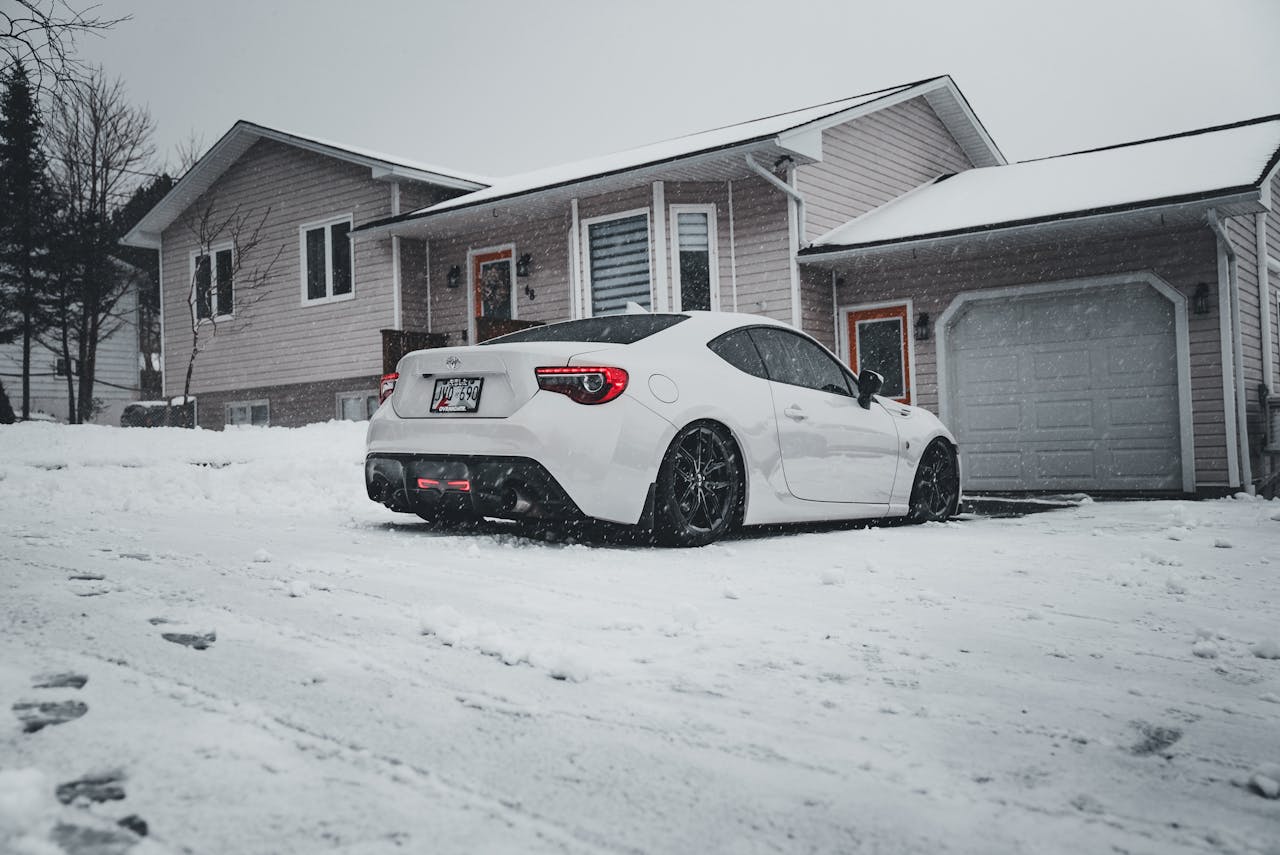
During the winter, vehicles stored in the garage can suffer from freezing temperatures, especially if left unprepared. Start by ensuring that your car's tires are properly inflated to avoid pressure loss in the cold. Check all essential fluids, such as oil, antifreeze, and windshield wiper fluid, to make sure they are at optimal levels. Additionally, if your vehicle is not used frequently, consider using a trickle charger to maintain the battery. Covering your car with a car cover or using a garage heater can also help protect the paint and finish from cold temperatures and moisture.
Storing Tools and Equipment
Tools and equipment can be susceptible to rust and damage from the cold and moisture in the air. To protect them, make sure to store them off the ground. Use shelves, hooks, or overhead racks to keep your tools dry and organized. For tools that are sensitive to rust, like metal tools, consider applying a thin layer of oil or lubricant to prevent corrosion. If your garage tends to get damp, consider using moisture-absorbing packs or small dehumidifiers to reduce moisture levels.
Protecting Home Connections
Your garage often houses key home utilities, such as water pipes, heaters, and electrical panels. It’s essential to insulate exposed pipes to prevent freezing. Use foam pipe insulation, or in some cases, you can wrap them with heat tape for extra protection. If your garage houses a water heater, make sure it is insulated to prevent freezing, which can cause costly damage. Also, check any electrical wiring or outlets, ensuring that they are not exposed to moisture or cold, which can cause malfunctions.
Start Your Quote Today
Our licensed specialist will search for the best insurance quotes and will email you when ready.