Managing Vacation Risk: Protecting Your Home While Traveling in Winter
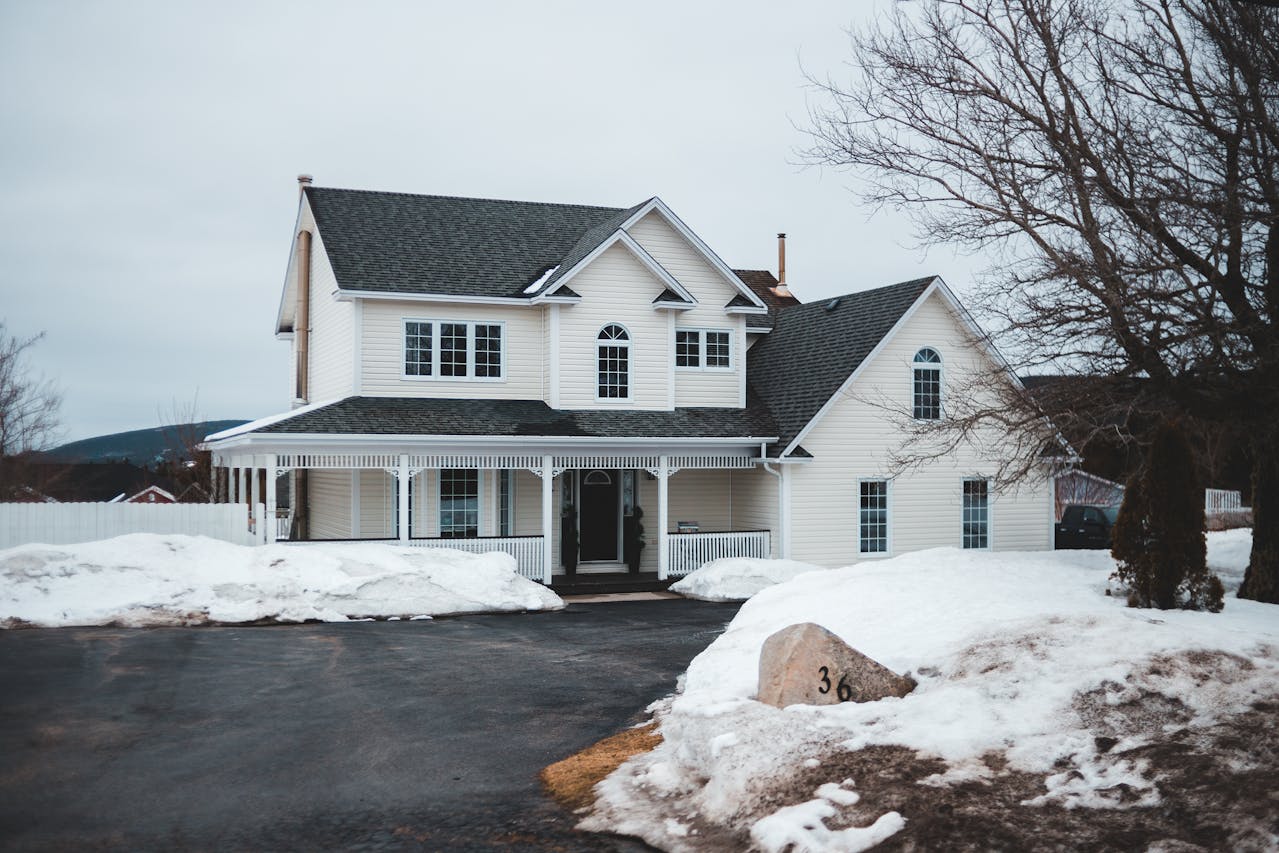
Traveling during winter should feel relaxing, not stressful. Before heading out, it helps to spend a little time thinking about how your home will look and function while you are gone. Small preparations made ahead of time can make a big difference once you are away. A few simple habits can help your house stay quiet, secure, and problem free until you return.
Why It Is Important to Protect Your Home During Winter Vacations
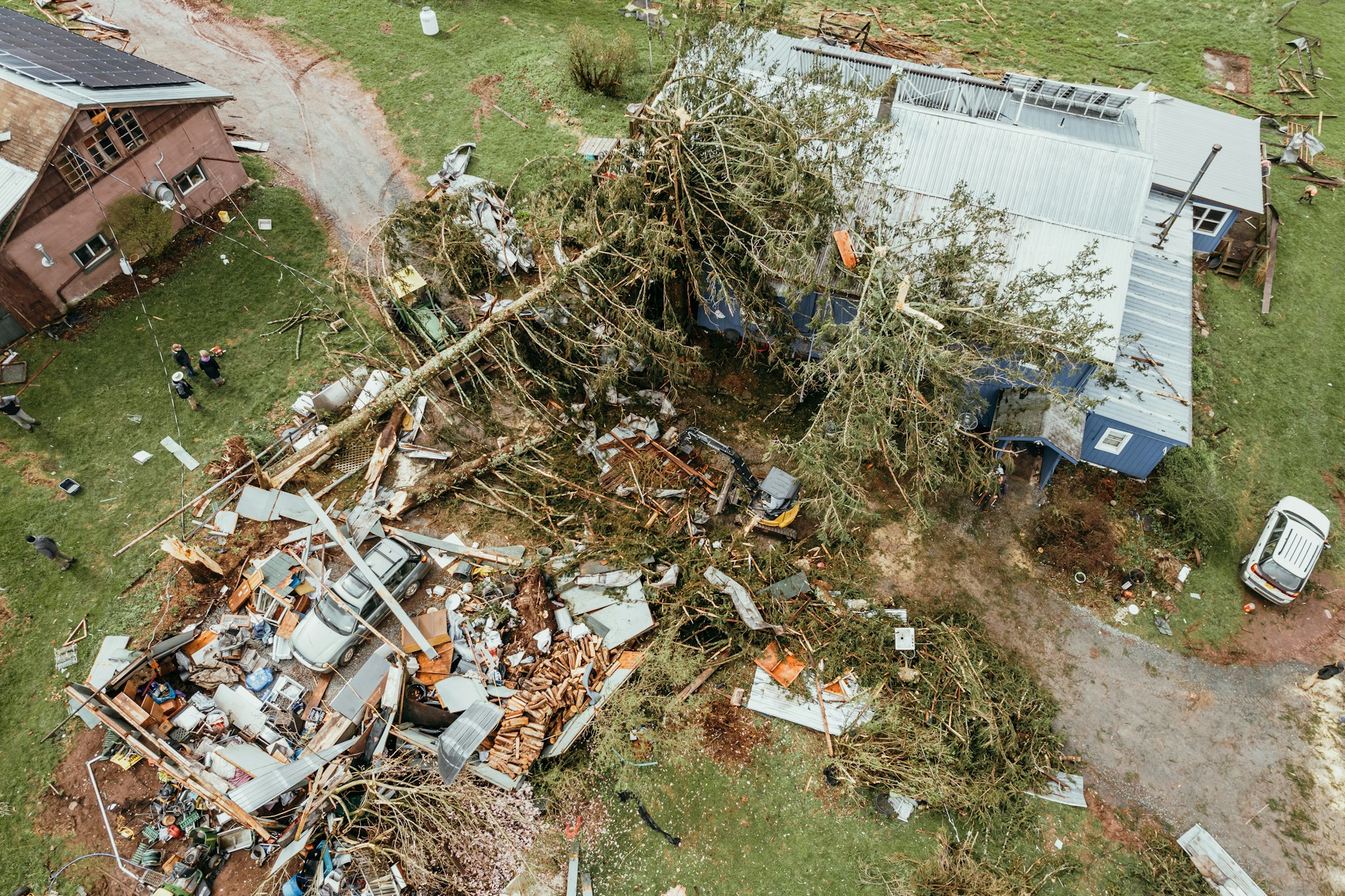
Winter can bring unique risks to your home, especially when you are away. One of the biggest concerns is the cold. Freezing temperatures can cause water pipes to freeze and burst, leading to water damage. Homes left unattended during winter are also more likely to be targeted by burglars, especially around the holiday season when people are traveling. Taking steps to secure your home helps you avoid these risks, allowing you to enjoy your vacation without worrying about the safety of your home.
Simple Steps to Prepare Your Home
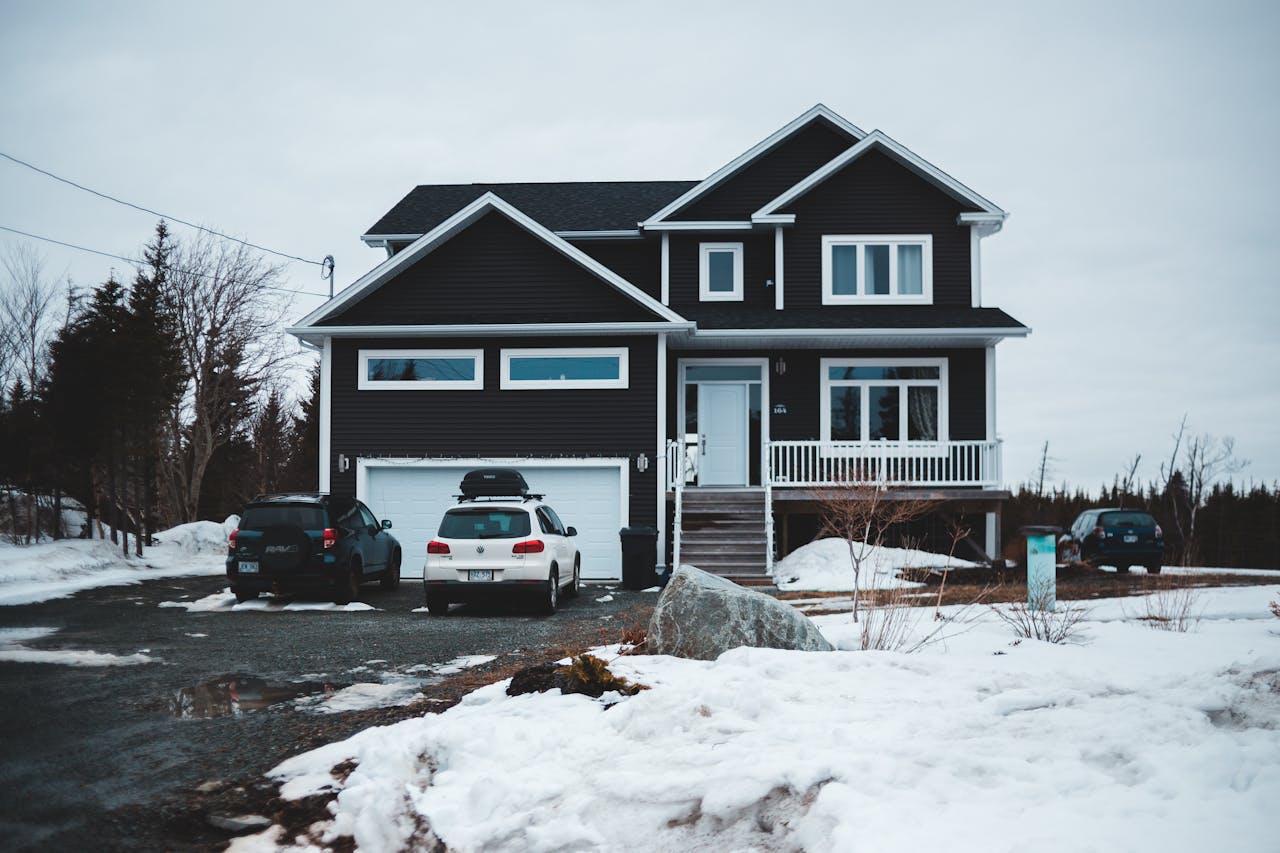
When preparing your home for a winter vacation, there are several key actions you should take to ensure it is secure and safe. These steps are straightforward but important in preventing potential damage or theft while you are away. Below are the subtopics to focus on:
Lock All Doors and Windows
Start by securing all entry points into your home. Make sure that all doors and windows are locked, including secondary entry points like sliding glass doors or garage windows. Double-check for any weak spots such as broken locks or gaps where intruders could gain access. Consider installing deadbolts or additional security hardware on doors and windows for extra protection.
Unplug Electronics and Appliances
Unplug any electronics or appliances you will not need while away. This includes TVs, lamps, toasters, coffee makers, and chargers. Unplugging these items helps to reduce the risk of electrical fires and saves energy. It also prevents devices from being damaged during power surges. Additionally, it can help you avoid unnecessary electricity costs while you are gone.
Turn Off the Main Water Supply
One of the most crucial steps to take before leaving for a winter trip is turning off the main water supply to your home. This will prevent frozen pipes from bursting and causing water damage. After shutting off the water supply, open all faucets to drain any remaining water from the pipes. If you live in an area with very low temperatures, consider adding insulation to pipes in areas like basements or attics to avoid freezing.
Set the Thermostat to a Safe Temperature
If your home will be empty during cold winter months, set the thermostat to a low temperature to ensure that pipes do not freeze. It is recommended to set the thermostat to around 55°F (13°C). This temperature is warm enough to prevent freezing but also energy-efficient. If you are concerned about maintaining this temperature, consider asking a trusted neighbor or friend to monitor your home periodically.
Secure Outdoor Areas
Take a look at the exterior of your home. Secure any outdoor storage areas, sheds, or garages. Ensure all tools, bikes, and other valuables are stored inside or locked up. If you have a fence, check for any gaps that might allow someone to enter your property. It is also a good idea to remove any ladders or other items that someone could use to gain access to windows or rooftops.
Manage Deliveries and Mail
While you are away, you may not want packages and mail to pile up at your doorstep, as this signals that no one is home. Stop mail and newspaper deliveries, or ask a neighbor or friend to pick them up for you. You can also schedule a package hold with delivery services to avoid parcels being left outside. This will make your home look more lived-in and reduce the risk of theft.
Set Timers for Lights
To give the appearance that someone is at home, set timers for your indoor lights. This can help to deter potential burglars who may be watching your home. You can also set timers for outdoor lights, such as porch lights, to further simulate activity around the house. Smart lighting systems can also be used for more advanced control, allowing you to turn lights on and off from anywhere using your smartphone.
Start Your Quote Today
Our licensed specialist will search for the best insurance quotes and will email you when ready.