Many homeowners think any water damage in the basement will be covered by insurance, but that is often not the case. That is why it is so important to understand how basement flood insurance works before a storm or flood happens. A basement can hold expensive systems, stored belongings, and even a finished living space, so a loss can be costly. The problem is that flood coverage does not work the same way as standard homeowners insurance.
Flood Insurance Is Different From Homeowners Insurance
One of the biggest points homeowners need to understand is that flood insurance is usually separate from homeowners insurance. A standard homeowners policy may help with some types of water damage, such as a burst pipe or certain sudden accidents inside the home. Flood damage is different because it usually means water comes in from outside and affects the property. That kind of damage is usually handled through a separate flood policy. This is why many people are shocked after a loss when they find out their regular home insurance does not cover flooding.
This is where questions like does flood insurance cover basement damage start to matter. The answer depends on the type of item that was damaged and the kind of policy the homeowner has. It is not enough to assume all basement damage will be paid for. Homeowners need to look at the details of their policy and ask clear questions. That simple step can make a major difference when a claim happens.
Why Basement Coverage Is Limited
Basements are treated differently under many flood insurance rules. That is because insurers often view them as below-ground areas that face a higher chance of water damage. Because of that, flood insurance coverage for basements may be more limited than what people expect for the rest of the home. The policy may focus more on the basic parts of the home and less on comfort items or stored belongings. This can be frustrating for homeowners who have spent money turning a basement into a family room, office, or guest space.
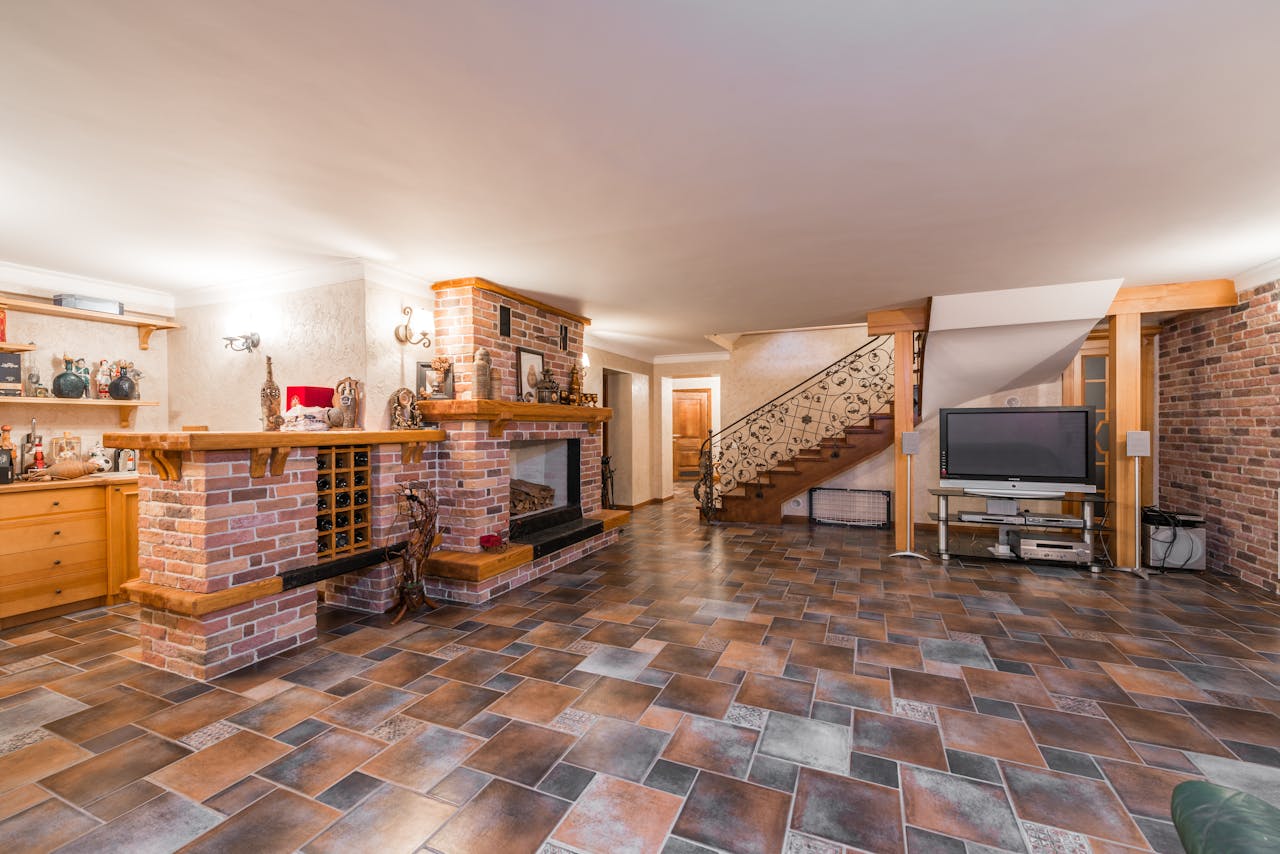
A finished basement may look and feel like any other part of the house, but insurance may not see it that way. Walls, floors, furniture, and personal items may not have the same level of protection as the main living area upstairs. That is why it is so important to understand NFIP basement coverage and similar policy terms in plain language. Many homeowners do not learn about these limits until after a flood. By then, the damage is already done and the out of pocket costs can be high.
What Is Usually Covered in a Basement
When people ask what is covered in basement flood insurance, the answer often starts with building features and basic home systems. In many cases, flood insurance may help cover items that are needed for the house to work properly. This can include parts of the foundation, electrical systems, plumbing systems, water heaters, furnaces, central air equipment, and sump pumps. These are the kinds of items that keep a home running, so they are often treated as more important than decorative or comfort items. If floodwater damages these systems, coverage may apply depending on the policy terms.
Some appliances may be covered as well, especially if they are considered part of the home’s basic function. For example, washers, dryers, freezers, and similar equipment may be included in some situations. This is one reason basement flood insurance coverage can still have real value even with its limits. Homeowners should not assume there is no basement protection at all. Instead, they should learn which items fall into the covered category and which ones do not.
Common Mistakes Homeowners Make
One common mistake is thinking all water damage is the same. It is easy to hear the word water and assume one insurance policy covers everything, but the source of the water matters a lot. Water from outside the home may be treated as flood damage, while water from a plumbing issue may fall under a different part of a homeowners policy. When people don’t understand that difference, they can end up with the wrong kind of protection.
Another mistake is storing valuable items in the basement without thinking about the risk. Family photos, electronics, seasonal decorations, paperwork, and furniture often end up downstairs because there is extra space. During a flood, those items can be damaged fast. If they are not covered, replacing them can be expensive and stressful. A basement may seem like a safe storage area on a normal day, but it can become one of the most exposed parts of the house during heavy rain or rising water.
A third mistake is not reading the policy until there is already a problem. Many homeowners buy insurance and feel done with the issue. Later, when they file a claim, they learn that the policy has rules they never noticed. Reading the policy and asking simple questions ahead of time can help avoid that situation. It doesn’t take much time, and it can help a homeowner make better choices about storage, home upgrades, and flood planning.
What You Should Do Next
If you are wondering whether your basement is protected, start by reviewing your policy. Look for clear wording about basement flood insurance, covered property, and basement limits. If anything feels confusing, ask your insurance representative to explain it in plain terms. It is better to ask those questions now than after a flood has damaged your home. A short conversation today can help clear up a lot of risk.
You should also take a look at what you keep in your basement. Think about whether you are storing valuable items, important records, or expensive electronics in a place that may have limited protection. If possible, move those items to a higher level of the home. It is also a good idea to keep photos or records of basement systems and belongings. That can help support a claim and make it easier to show what was there before the damage happened.
Finally, try to think of flood coverage as part of a bigger home plan. Flooding does not only happen near the coast or next to a large river. Heavy rain, poor drainage, and fast rising water can all create problems for homeowners. Knowing what is covered in basement flood insurance helps you make smarter choices about coverage, storage, and home upkeep. The goal is not fear. The goal is being informed before a loss happens.
Start Your Quote Today
Our licensed specialist will search for the best insurance quotes and will email you when ready.