How to Stay Safe on Your Holiday Road Trip During Peak Travel Times
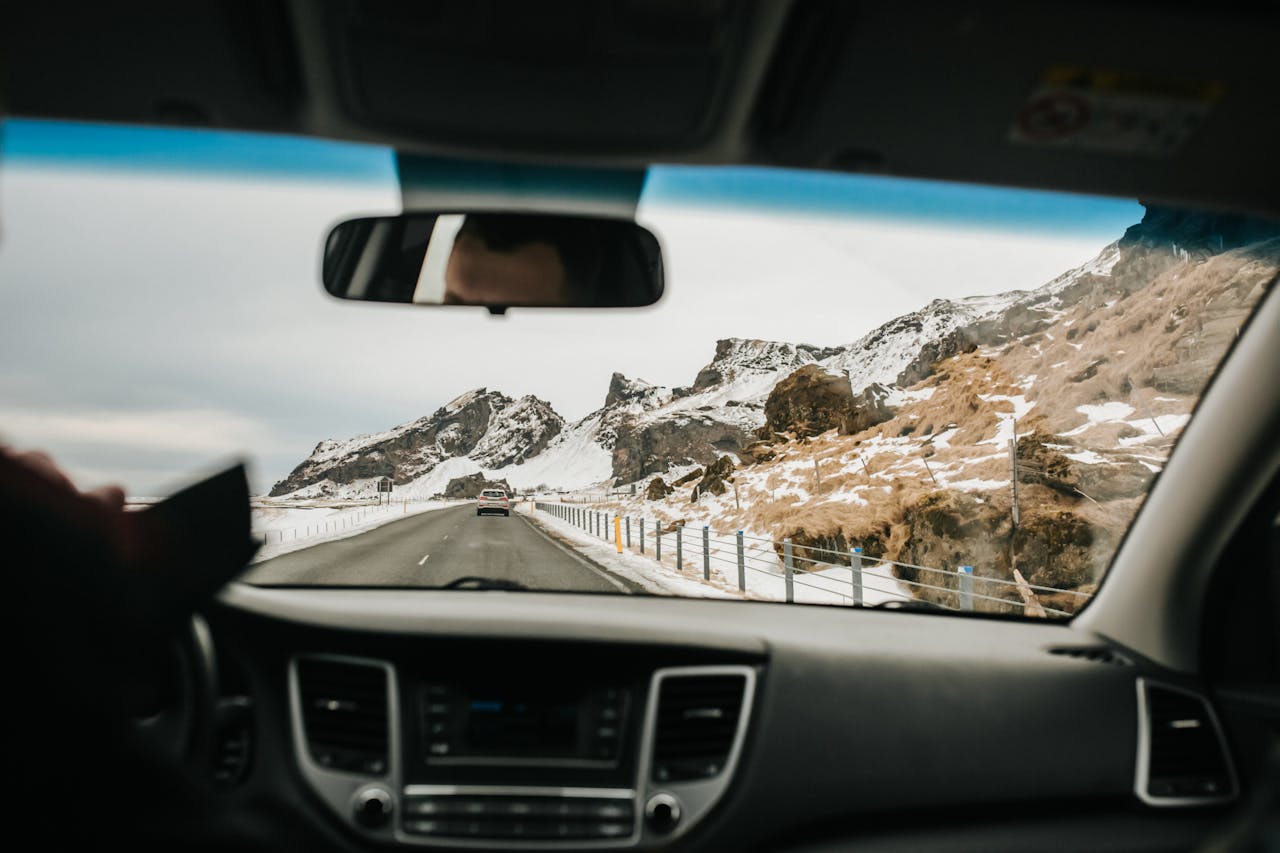
Holiday road trips provide a wonderful opportunity to spend time with family and friends, but traveling during peak times can add stress and potential safety concerns. Roads become crowded, weather can change unexpectedly, and delays may arise. However, with careful planning, vehicle maintenance, and staying alert on the road, you can ensure a smooth and safe trip.
1. Plan Your Trip in Advance
Planning is one of the most important steps to ensure a safe journey. Knowing your route, planning your stops, and preparing for possible delays can alleviate much of the stress associated with traveling during peak times. Traffic congestion and unexpected road closures are common during the holiday season, so it’s important to be prepared.
Actionable Steps:
- Use Navigation Tools: Leverage GPS or map apps for accurate route planning and real-time traffic updates.
- Identify Alternative Routes: Look for alternate routes in case of road closures or heavy traffic.
- Schedule Rest Stops: Plan where to take breaks for fuel, food, and bathroom stops to avoid unnecessary delays.
- Time Your Departure: Depart during non-peak hours to avoid the heaviest traffic, typically early morning or late evening.
2. Ensure Your Vehicle is Ready
A reliable vehicle is key to a successful road trip. Vehicle breakdowns are one of the most common causes of travel disruptions, and they can be especially frustrating during the busy holiday season. Ensuring your car is in good condition before you leave will help you avoid potential issues.
Actionable Steps:
- Perform Vehicle Checks: Ensure tire pressure, fluid levels (oil, brake fluid, coolant), and brake functionality are optimal.
- Check Your Wipers and Lights: Properly functioning windshield wipers and headlights are crucial, particularly if you encounter rain or snow.
- Fill Your Tank: Start your trip with a full tank of gas to avoid unnecessary stops and the risk of running low in remote areas.
- Schedule an Inspection: If possible, have your car inspected by a professional mechanic before you head out.
3. Stay Alert and Take Regular Breaks
Driving for long periods can be exhausting, and fatigue is a significant factor in road accidents. Ensuring you stay alert and well-rested is critical, particularly on longer drives or when navigating through heavy traffic.
Actionable Steps:
- Take Frequent Breaks: Stop every two hours to stretch, hydrate, and rest to maintain focus.
- Switch Drivers: If possible, share the driving with another person to prevent fatigue from setting in.
- Rest When Needed: If you feel sleepy or tired, pull over in a safe spot and take a quick nap. Never push through exhaustion.
4. Monitor Weather and Road Conditions
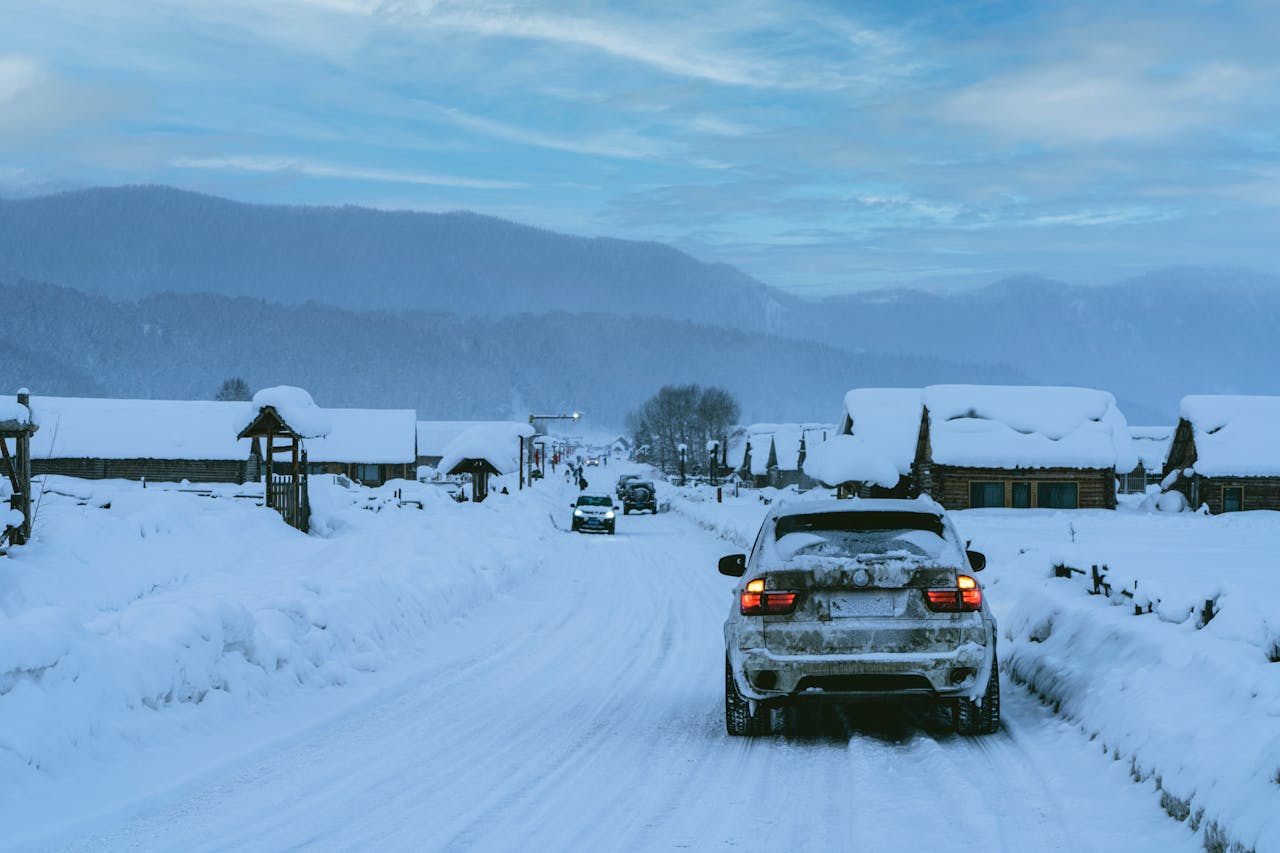
Bad weather can drastically affect road conditions and visibility, making driving more dangerous. Whether it’s snow, rain, or fog, being prepared for varying weather conditions will help you stay safe. Always check the forecast before and during your trip to make informed decisions.
Actionable Steps:
- Check Weather Reports: Use apps or websites to stay updated on weather conditions along your route.
- Monitor Road Closures: Be aware of any road closures or construction that may delay your trip. Many states offer real-time updates on road conditions.
- Adjust Your Speed: If you encounter bad weather, reduce your speed to match the conditions. Increase the distance between you and other vehicles to ensure a safe stopping distance.
5. Pack an Emergency Kit
Emergencies can happen at any time, and being prepared can make a big difference. Whether it’s a flat tire or a minor medical issue, an emergency kit can provide you with the essential tools you need to handle unexpected situations.
Actionable Steps:
- Basic Emergency Supplies: Pack a flashlight, first-aid kit, blanket, and non-perishable snacks in case you are stranded.
- Roadside Assistance Tools: Include jumper cables, a spare tire, and the necessary tools for changing it. You may also want to carry a small toolkit.
- Phone Charger: Ensure you have a car charger for your phone, and keep a backup power bank on hand for extra security.
- Warm Clothing: If traveling in colder climates, pack extra clothing, especially if you might encounter freezing temperatures.
Start Your Quote Today
Our licensed specialist will search for the best insurance quotes and will email you when ready.