Essential Snow Shoveling Safety Tips to Prevent Injury This Winter
Winter brings beautiful snow, but it also comes with the responsibility of clearing it from driveways, walkways, and paths. While shoveling snow can seem like a simple task, it can be physically demanding and even dangerous if not done safely. Whether you are shoveling your driveway or helping a neighbor, it is important to follow proper techniques to prevent injury.
1. Warm Up Before Shoveling
Shoveling snow may seem like an easy task, but it requires a lot of physical effort. To avoid muscle strain or injury, warming up is essential before heading out into the cold. Just like any other physical activity, shoveling involves lifting, twisting, and bending, which can put stress on your muscles.
Take 5-10 minutes to warm up your body with light exercises or stretching. Simple movements like walking in place or gently bending side to side will help get your blood flowing and prepare your muscles for the work ahead. Warming up reduces the risk of muscle injuries and prepares your body to handle the cold temperatures. It’s a small step that can make a big difference in how you feel during and after shoveling.
2. Dress Properly and Choose the Right Equipment
Dressing appropriately for the weather is another important safety tip. When you head out to shovel, make sure to layer your clothes. Layers allow you to adjust your temperature as you work, keeping you warm without overheating. Wear moisture-wicking layers closest to your skin, followed by insulating layers for warmth, and an outer layer that protects against the wind and snow.
Additionally, choose the right equipment for the job. The shovel you use should be comfortable and appropriate for your height and physical capabilities. For example, if you have back issues, look for ergonomic shovels with curved handles that reduce the need to bend. Make sure to wear sturdy boots with good traction to prevent slipping on icy surfaces.
3. Use Proper Shoveling Techniques
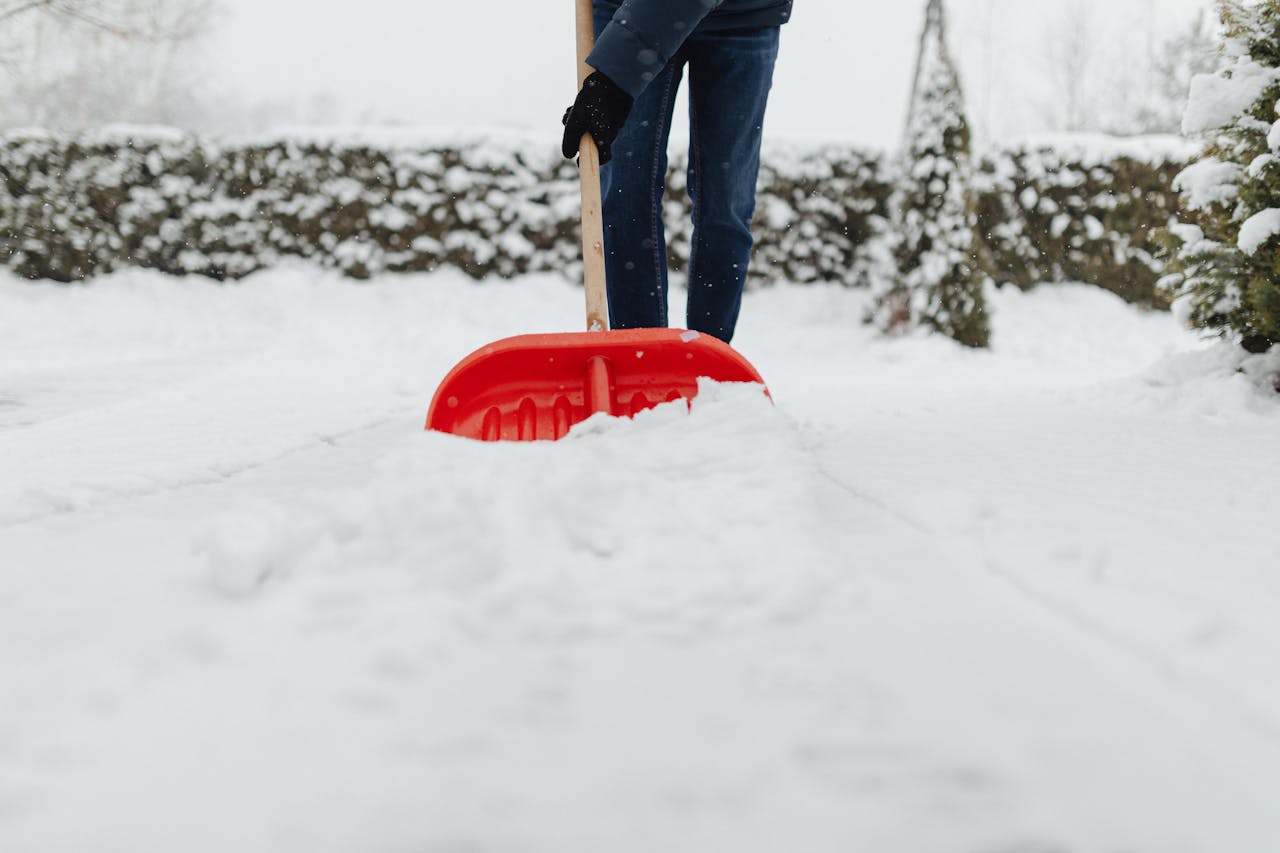
Using the correct shoveling technique is key to avoiding injury. When lifting snow, always bend your knees and keep your back straight. Your legs should do most of the lifting, not your back. This will help reduce the risk of back strain and muscle injuries.
If possible, try to push the snow rather than lift it. Pushing requires less physical effort and minimizes strain on your body. When lifting snow, only scoop small amounts to avoid overloading your shovel. The goal is to move the snow without overexerting yourself, which leads us to the next tip: pacing yourself.
4. Pace Yourself and Take Breaks
Shoveling snow can be tiring, especially if the snow is deep or heavy. It is important to pace yourself and take breaks regularly. Do not try to finish the job quickly. Instead, shovel in intervals of 20 to 30 minutes, then take a break to rest your muscles and catch your breath.
By pacing yourself, you prevent exhaustion and reduce the chances of overdoing it. If you feel any pain, dizziness, or shortness of breath, stop immediately. It is always better to take a break and continue later than to risk injuring yourself.
5. Be Aware of Hazards in Your Surroundings
Snow and ice bring hidden hazards that can lead to accidents. As you shovel, be mindful of your surroundings. Watch out for slippery patches of ice under the snow, as these can cause you to slip and fall. Salt or sand can be used to treat these areas to provide better traction.
Clear any obstacles, such as rocks or branches, that might be buried under the snow. These objects can cause you to trip or damage your shovel. If you are working in an area with lots of snow buildup, make sure to check for potential hazards before you begin.
6. Listen to Your Body
Above all, listen to your body. If you start to feel fatigued, lightheaded, or experience any discomfort, stop shoveling immediately. It’s essential to recognize the signs of overexertion and take action before something serious happens. Chest pain, dizziness, or shortness of breath are warning signs that should not be ignored.
If you have any concerns about your heart or lungs, consult a doctor before engaging in strenuous physical activity like snow shoveling. Shoveling snow is not a race, and it is better to take your time and stay safe than to push yourself too hard.
Start Your Quote Today
Our licensed specialist will search for the best insurance quotes and will email you when ready.