"Black Ice" Liability: Who is Responsible for Slip-and-Fall Injuries Off Your Property?
Black ice is a hidden and dangerous threat, especially during the colder months. Often forming on roads, sidewalks, and driveways, black ice is almost invisible, making it difficult for pedestrians to notice until it is too late. When someone slips on black ice, serious injuries can occur, and the question of liability becomes a key issue. We’ll explore who is responsible for slip-and-fall injuries caused by black ice off a property, the legal considerations involved, and the steps property owners and visitors can take to reduce risk.
What is Black Ice and Why Is It Dangerous?
Black ice is a thin, transparent layer of ice that forms on surfaces such as sidewalks, driveways, and parking lots when the temperature drops. It’s nearly invisible, blending with the underlying pavement, making it almost impossible for pedestrians to detect. The lack of visibility and its slipperiness make black ice particularly hazardous for falls, which can lead to injuries ranging from bruises to fractures, or even more serious head or spinal injuries. Black ice often forms after rain, melting snow, or even heavy dew under freezing conditions, which can occur overnight or during sudden temperature drops. This makes it especially dangerous in early mornings or late nights when people are not as likely to be alert to ice hazards.

Who Might Be Held Responsible for Slip-and-Fall Accidents Caused by Black Ice?
In many slip-and-fall incidents caused by black ice, liability falls on the property owner or occupier. This is particularly true when the fall occurs on private property, such as a homeowner’s driveway or a business’s sidewalk. The property owner is typically responsible for maintaining safe conditions for anyone legally on the property, including visitors, customers, or residents.
- Homeowners or Landlords
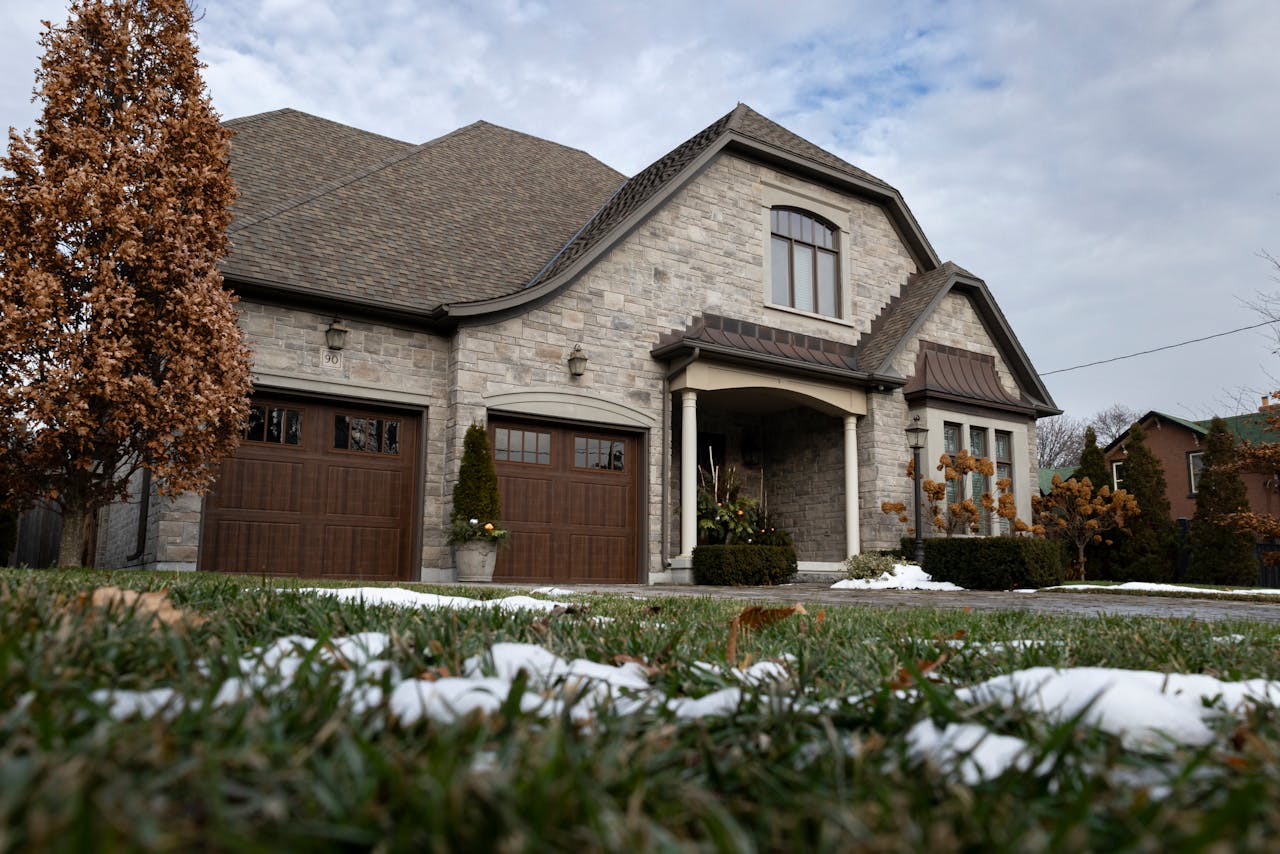
Homeowners have a duty to keep their property safe for invited guests, whether for a social gathering or a service visit. If black ice forms on a walkway or driveway and causes an injury, the homeowner may be held liable for not addressing the hazard, especially if they knew or should have known about it. Similarly, landlords must ensure that areas like walkways or common areas are safe for tenants and visitors. - Businesses and Commercial Property Owners
Businesses are responsible for maintaining safe conditions on their property for customers and employees. If a business has a parking lot or sidewalk where black ice forms, and someone falls as a result, the business may be held liable. Commercial property owners must act quickly to remove or treat hazardous ice when conditions are dangerous. - Public Authorities or Municipalities
In some cases, responsibility may fall to public authorities. When black ice forms on public sidewalks or streets, municipalities or local governments are often required to maintain safe conditions. However, there may be exceptions based on local laws or weather-related conditions, such as a grace period for snow and ice removal. The jurisdiction must typically show that it took reasonable steps to clear the hazard. - Maintenance Contractors
If a property owner hires a maintenance contractor or property manager to handle the upkeep of walkways and driveways, that party may be held responsible if they fail to treat or remove black ice. This is especially true if the contractor failed to act within a reasonable time after being made aware of the hazard.
What Must Be Proven to Establish Liability?
To hold someone liable for a slip-and-fall injury due to black ice, several legal factors must be proven:
- Duty of Care
The first element of a slip-and-fall case is the duty of care. Property owners or managers must maintain a safe environment for individuals legally on the premises. This includes making sure areas like walkways, sidewalks, and parking lots are clear of hazards such as black ice. - Breach of Duty
If the property owner or manager failed to take reasonable steps to prevent black ice from forming or left the ice untreated, this may be considered a breach of their duty of care. Failing to put up warning signs, not clearing the area in a timely manner, or neglecting proper maintenance can be signs of this breach. - Causation
It must be shown that the black ice was the direct cause of the slip and fall injury. This includes demonstrating that the ice was present and hazardous and that the injury would not have occurred otherwise. - Damages
Finally, the injured party must show that they suffered damages, such as medical costs, lost wages, or pain and suffering, as a result of the slip-and-fall accident.
What Property Owners Can Do to Minimize Risk
Property owners can reduce the risk of black ice-related accidents by taking simple yet effective steps:
- Regularly Inspect the Property
During the winter months, property owners should frequently check sidewalks, driveways, and walkways for ice buildup. Early detection and prompt action are key. - Remove Ice Promptly
Using salt, sand, or de-icer can help melt ice before it becomes a hazard. If the ice is severe, physical removal may be necessary. - Place Warning Signs
If ice cannot be removed immediately, posting clear signs warning visitors about the risk of slipping can help reduce liability. This is especially important for businesses or areas with heavy foot traffic. - Keep Records of Maintenance
Documenting when and how maintenance is performed, especially after storms or freezing conditions, can serve as proof that a property owner acted responsibly.
Start Your Quote Today
Our licensed specialist will search for the best insurance quotes and will email you when ready.